EN
EN



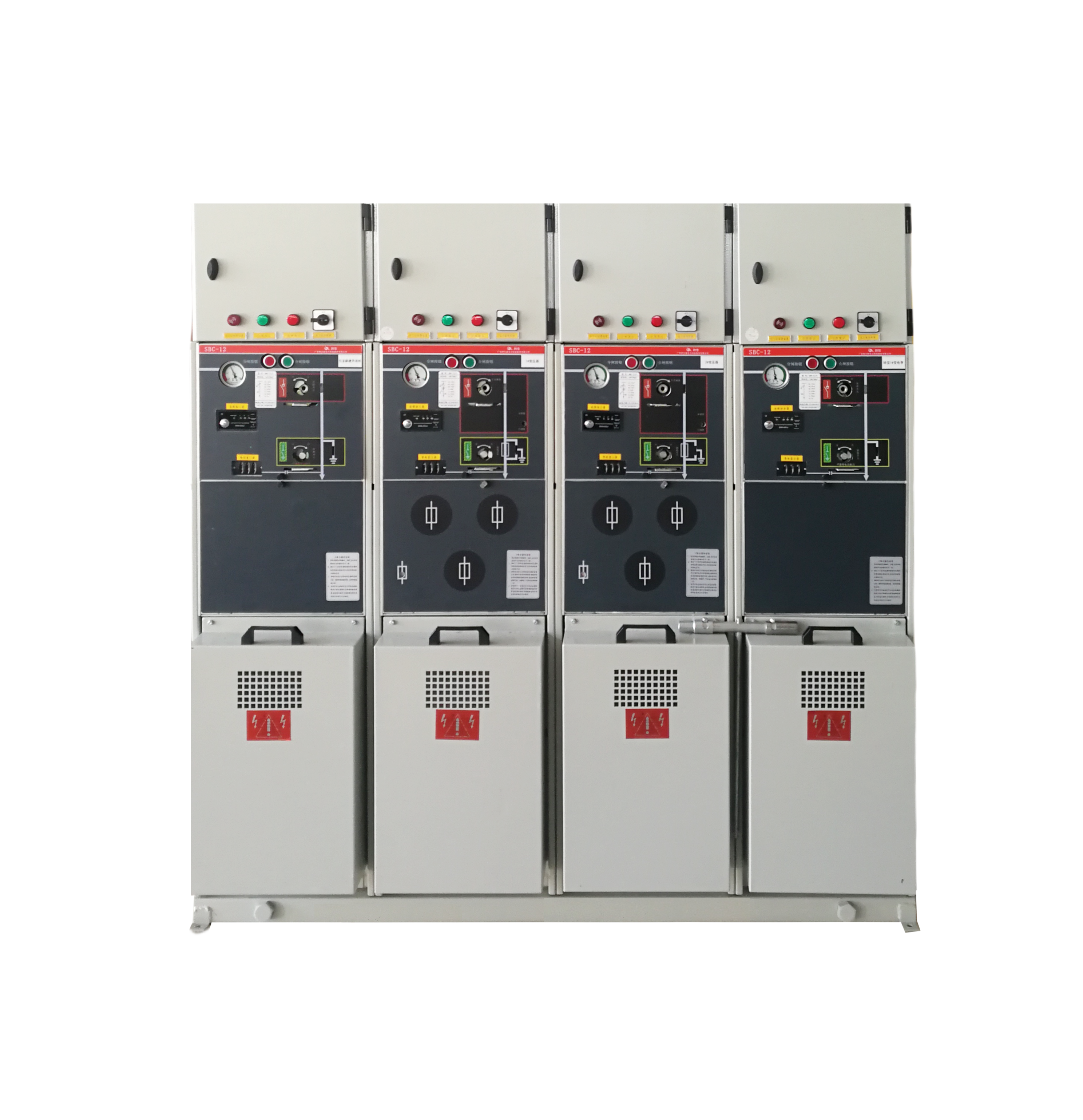
What Is a Ring Main Unit? Core Functionality in Urban Ring Networks
A ring main unit (RMU) is a compact, sealed switchgear assembly designed for medium-voltage (typically 6–24kV) power distribution networks. It serves as a nodal control point in looped configurations, enabling bidirectional electricity flow—critical for urban grids where uninterrupted supply impacts thousands of residents and businesses.
Functional Architecture and Switching Logic of the Ring Main Unit
RMUs integrate three core components:
- Load-break switches, for routine circuit control under load
- Fused disconnectors, to isolate transformer faults within 10ms
- Circuit breakers or protective relays, for overcurrent and short-circuit protection
The switching logic works in layers basically. When something goes wrong like a drop in voltage or sudden spike in current, the system automatically kicks in to fix it. Take a transformer problem for instance. The faulty part gets cut off by special disconnectors while other switches send electricity through the good parts of the network. All this happens really fast too, somewhere between 100 and 300 milliseconds. What makes this setup so valuable is that it stops problems from spreading throughout the whole grid. Instead of letting one issue cause bigger troubles elsewhere, the system essentially heals itself after damage occurs.
Enabling Fault Isolation, Load Transfer, and Seamless Network Reconfiguration
Urban grids rely on RMUs to achieve “N-1” redundancy: if one feeder fails, adjacent units instantly transfer load to backup sources. In London's metro grid, this capability reduced average outage duration by 73% (2023 Grid Resilience Report). Key operational benefits include:
| Function | Impact | Urban Use Case |
|---|---|---|
| Fault isolation | Limits outages to 1–2 city blocks | Underground cable failures |
| Load transfer | Prevents transformer overloads | Peak demand in high-rises |
| Network reconfiguration | Enables maintenance without downtime | Grid upgrades during low load |
This reconfigurability allows operators to balance loads dynamically—shifting supply from commercial to residential zones during evenings—while maintaining >99.98% uptime in cities like Singapore.
Compact Design Advantages of Ring Main Units for Space-Constrained Cities
RMUs tackle the problem of limited space in cities by shrinking their physical footprint dramatically. These units pack together all the necessary components like circuit protection, switching functions, and monitoring systems into one compact, sealed enclosure. The result? They take up about half to three quarters less space compared to traditional switchgear setups. This makes it possible to install them where standard electrical equipment just wouldn't fit before. Think about those tiny sidewalk kiosks, basement utility areas where ceilings barely reach 2.5 meters high, or those super narrow maintenance passages between buildings that were always too cramped for proper installation.
Footprint Reduction Metrics vs. Conventional Switchgear
The space efficiency of modern RMUs becomes evident when comparing installation requirements:
| Parameter | Traditional Switchgear | Ring Main Unit | Reduction |
|---|---|---|---|
| Floor Area (m²) | 8–12 | 2–4 | ≥65% |
| Service Clearance (m) | 2.5 | 1.2 | 52% |
| Installation Time (Hours) | 80–100 | 20–30 | 70–75% |
This streamlined design directly addresses urban infrastructure constraints. A 2023 grid modernization study found that 74% of city planners prioritize compact equipment when upgrading electrical networks in dense corridors.
Flexible Installation: Kiosks, Underground Vaults, and High-Rise Basements
RMUs adapt to unconventional urban spaces through modular construction and environmental hardening. Their sealed, gas-insulated enclosures permit:
- Subsurface deployment in flood-resistant underground vaults
- Integration into street furniture—including lighting kiosks and traffic signal cabinets
- Vertical stacking in high-rise utility shafts
This versatility avoids costly land acquisition—a critical advantage where real estate premiums exceed $740k per acre (Urban Land Institute, 2023). Maintenance remains efficient, with front-access designs eliminating the need for rear clearance.
Ring Main Unit Reliability: Ensuring Continuity in Dense Urban Grids
Fault Tolerance and Uptime Performance: Real-World Data from London and Singapore Metro Grids
Ring Main Units (RMUs) have shown their worth when it comes to handling faults in busy city networks where space is at a premium. The ring design allows for quick rerouting of power whenever there's a problem with cables or transformers, which stops small issues from turning into widespread blackouts throughout connected systems. Take London's subway for instance they hit an impressive 99.98% uptime once they installed these modern units. And down in Singapore, their underground rail kept running smoothly even during those intense monsoon seasons that usually cause all sorts of problems. When something goes wrong, automated sectionalizing kicks in fast about 100 milliseconds actually cutting off faulty sections before they can spread trouble through densely packed areas. Plus, remote monitoring tech gives operators early warning signs about insulation wear and tear long before anything breaks down completely. This proactive approach cuts downtime by around two thirds compared to older air insulated switchgear setups that many places still rely on.
Low-Maintenance Operation and Lifecycle Cost Efficiency
RMUs need very little hands-on attention because they come in sealed packages filled with gases like SF6 or clean air instead of relying on open designs. These enclosures keep out dust, moisture, and whatever else might sneak into regular equipment. The difference is huge actually - most facilities find they can cut down on about 80% of those boring maintenance jobs that usually pile up with traditional air insulated systems. Over time, power companies are seeing around 40% savings when looking at total costs across 25 years of operation. Technicians don't have to dig around everywhere either since everything important sits behind one big front panel. Plus solid state relays take the place of old fashioned mechanical bits that just break down eventually. This means less time spent fixing things and smaller stockpiles of replacement parts sitting around collecting dust. Cities especially benefit from this setup as their grid managers get better performance without having to throw money at constant repairs and replacements.
FAQs
-
What is the primary function of a Ring Main Unit?
A Ring Main Unit (RMU) is designed for medium-voltage power distribution, serving as a control point in urban grids to enable bidirectional electricity flow, which helps maintain uninterrupted supply. -
Why are RMUs vital in urban electrical networks?
RMUs are crucial in urban networks because they enable quick fault isolation, load transfer, and network reconfiguration, effectively reducing outage durations and maintaining high uptime percentages. -
How do RMUs compare to traditional switchgear in terms of space and installation?
RMUs are more compact, requiring 65% less floor space and reducing installation time by 70–75%, which is ideal for space-constrained urban environments.