EN
EN



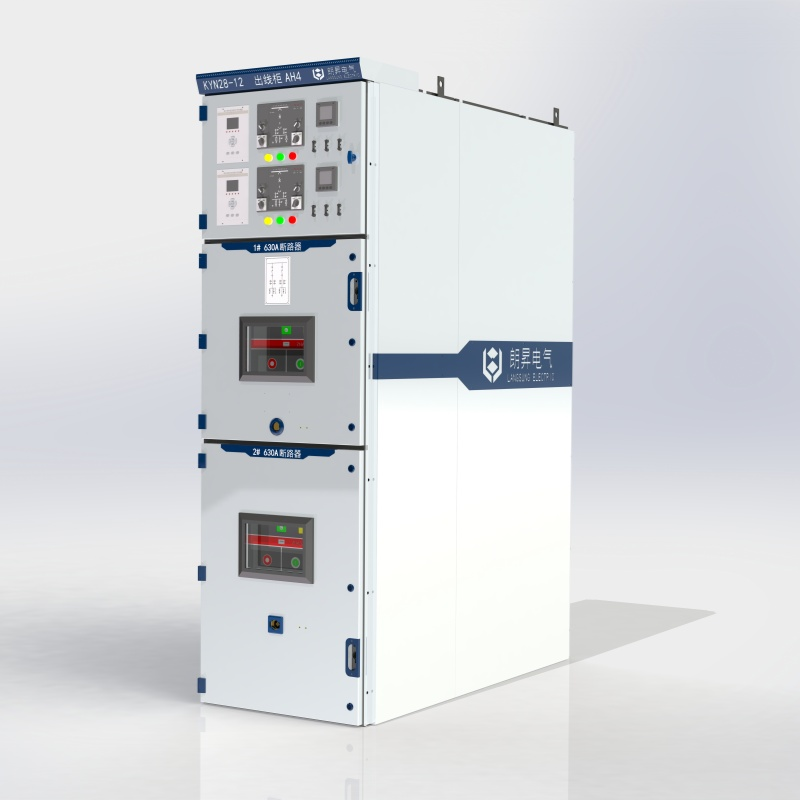
Assessing Electrical System Requirements and Voltage Needs
Evaluating voltage, current, and load types for switchgear electrical systems
Getting the right measurements for voltage, current levels, and how much load something will handle forms the basis for picking good switchgear. When looking at specs, folks need to check things like main and backup voltage ratings, what kind of current it can handle both regularly and during surges, whether it works on 50Hz or 60Hz systems, plus how much room there actually is for installation. Getting these numbers wrong? Well that usually means broken equipment or worse, potential safety hazards down the road. No one wants to deal with those headaches, which is why taking time to double check all these factors makes perfect sense before making any purchase decisions.
Understanding low, medium, and high voltage switchgear electrical applications
How we classify voltage levels plays a big role in selecting the right kind of switchgear for any given application. Systems operating at low voltages under 1000 volts are what most people encounter daily in homes and offices across town. When things get bumped up to medium voltage between 1kV and 35kV, these setups become essential for bigger operations like factories or hospitals needing reliable power distribution. And then there's the high voltage stuff above 35kV which powers those massive transmission lines crisscrossing the countryside. The differences aren't just numbers on paper either. Insulation requirements change dramatically, protective features must adapt accordingly, and safety protocols become increasingly complex as voltages climb higher. Naturally, this all translates into higher costs too, making budget planning crucial when dealing with higher voltage installations.
Sizing switchgear based on load capacity and fault current calculations
Getting the right size requires looking at regular load requirements as well as what happens during faults. Start by figuring out the total connected load but don't forget to leave room for when things grow down the road. Another critical factor is finding out just how much fault current could be present at the actual installation spot. The switchgear needs to handle stopping this current without getting damaged or failing. Most experienced engineers suggest building in around 15 to 25 percent extra capacity beyond what calculations show. This buffer helps systems last longer and handles those unexpected spikes in usage that always seem to happen when least expected.
Selecting protection devices: Circuit breakers and fuses in switchgear electrical systems
Choosing between different protection devices really affects how flexible a system can be and what kind of maintenance it will need down the road. Circuit breakers stand out because they can be reset multiple times, work remotely through control panels, and coordinate well with other protective gear in complex electrical setups. That makes them particularly good for important systems where access isn't always easy. On the flip side, fuses react quickly to overcurrent situations and generally cost less upfront, though once they blow, they need replacing completely. For most installations, picking between these options comes down to budget constraints, how often technicians can get hands-on with equipment, and just how sensitive the loads are to power fluctuations. Plants running 24/7 might go for circuit breakers despite higher initial costs, while smaller operations on tight budgets often stick with fuses for their simplicity and lower price tag.
Ensuring Safety Compliance and Industry Certification Standards
Key safety features: Arc flash protection and compartmentalization in switchgear electrical
Today's switchgear comes equipped with arc flash protection systems along with compartmentalized design features that keep workers safe around electrical equipment. When there's an internal fault, arc-resistant construction actually traps the blast energy and sends it somewhere else so operators aren't exposed to dangerous arcs. The compartments themselves work like separate rooms inside the gear, keeping things like busbars, those big switches called circuit breakers, and all the wiring separated from each other. This separation stops problems from spreading throughout the whole system. According to the latest safety guidelines (IEEE 1584-2018), these improvements bring down the heat exposure to under 1.2 calories per square centimeter, which means technicians have much better protection against burns when they need to service the equipment.
Meeting IEC, UL 1558, and North American compliance standards
Following established industry standards is essential for both safety and proper equipment performance. The IEC 61439 standard series handles all aspects of verifying designs and conducting tests for low voltage switchgear around the world. Over in North America, UL 1558 takes care of setting out what manufacturers need to do regarding construction methods and how well their products perform under various conditions. When looking at these standards, they actually address several critical factors including electrical insulation capabilities, acceptable temperature increases during operation, and ability to handle unexpected short circuits without failing. Getting certified by third party laboratories adds another layer of assurance since these independent assessments confirm whether or not a product truly meets all required specifications.
Dielectric, temperature rise, and short-circuit testing protocols
Before switchgear gets put into service, it goes through a battery of tests to check if it's safe enough for actual use. For dielectric testing, technicians typically apply between 150 to 200 percent of the equipment's rated voltage just to see if the insulation can handle it without breaking down. When it comes to temperature testing, engineers want to make sure all those metal parts don't get too hot when running at maximum capacity for extended periods. There's also short circuit testing where they deliberately create faults in controlled environments to watch how the gear reacts. This helps determine whether the system can safely interrupt dangerous current surges that might occur in real installations. All these different checks together form an essential part of quality control that keeps electrical systems operating reliably year after year.
Evaluating Environmental Resilience and Installation Conditions
NEMA ratings and environmental protection for switchgear electrical systems
NEMA ratings define enclosure protection against environmental elements. NEMA 3R offers weather resistance for outdoor use, while NEMA 4X adds watertightness and corrosion resistance, ideal for harsh industrial or coastal environments. Selecting the correct rating ensures switchgear remains operational despite exposure to moisture, dust, or chemicals.
Operating in high humidity, dusty, or corrosive environments
When dealing with high humidity conditions, it makes sense to go for switchgear that features moisture resistant insulation along with those handy anti condensation heaters. For places where dust is constantly floating around, we need to think about sealed enclosures combined with proper filtered ventilation systems to keep those critical contacts and cooling mechanisms protected. Now in corrosive environments, stainless steel parts become essential, plus applying protective coatings and incorporating some non metallic materials helps maintain both structural strength and electrical performance over time. The numbers back this up too the Electrical Reliability Report from 2023 actually points out that roughly 35 percent of all industrial electrical problems stem directly from environmental issues. That's why getting the right equipment specifications matters so much for long term reliability.
Insulation integrity, interlocks, and internal arc containment
Maintaining insulation integrity across varying temperatures and humidity levels is vital. Advanced dielectric materials and monitoring systems support consistent performance. Mechanical interlocks prevent unsafe access during energized states, enhancing worker safety. Internal arc containment systems further protect personnel by channeling fault energy safely, ensuring resilience under adverse conditions.
Comparing Switchgear Types and Electrical Performance Ratings
Air-insulated (AIS) vs gas-insulated (GIS) switchgear electrical systems
When deciding between air insulated (AIS) and gas insulated (GIS) switchgear systems, three main factors come into play: available space, environmental conditions, and what kind of performance is needed. Air insulated systems work by using regular air as their insulating medium, which makes them pretty economical when there's plenty of room to install them. On the other hand, gas insulated systems rely on sulfur hexafluoride (SF6) gas for insulation. These GIS units actually have about double the dielectric strength of AIS equipment and take up roughly a tenth to a third of the space required for similar AIS installations. Sure, GIS comes with a bigger price tag upfront and requires more specialized maintenance procedures, but many power companies find these tradeoffs worthwhile for applications in tight urban areas, inside buildings, or locations exposed to extreme weather conditions where reliability matters most.
Short-circuit withstand capability and performance benchmarks
Short-circuit withstand is a key performance indicator. Modern medium-voltage switchgear must handle fault currents of at least 25 kA for 1 –3 seconds, with advanced models supporting up to 63 kA. Critical benchmarks include:
- Dielectric strength: Minimum 36 kV for medium-voltage systems
- Continuous current rating: 630A to 4,000A for typical distribution setups
-
Fault interruption time: ≤ 5 cycles (83 milliseconds) for fast fault clearance
These metrics ensure system stability during disturbances and support uninterrupted operations.
Balancing cost-driven procurement with engineering adequacy
Cost is definitely something people look at first when making choices, but what really matters is whether the equipment can handle the job properly. Better quality switchgear does cost more money up front, yet over time it usually saves between 20 to 40 percent on total costs because there's less need for repairs, it runs more efficiently, and causes fewer shutdowns. The truth is most of what eats into budgets happens later on anyway. Think about all those repair bills, wasted energy, and lost production during power failures these make up around 60 to 80 percent of what companies spend in the long run. So spending extra cash now on solid, properly built systems actually makes good financial sense down the road.
Planning for Long-Term Value: Maintenance, Scalability, and Vendor Selection
Modular design, remote monitoring, and smart switchgear integration
Modular switchgear allows incremental upgrades without full system replacement, supporting scalability. Remote monitoring enables predictive maintenance by tracking temperature, load, and contact wear, reducing unplanned outages by up to 45%. Smart integration with IoT platforms provides real-time diagnostics, improving operational insight and extending equipment life.
Lifecycle cost analysis: Initial price vs long-term operational savings
Initial purchase cost represents only 30–40% of total ownership expense over a 20+ year lifespan. A comprehensive lifecycle analysis must consider maintenance frequency, energy losses, repair costs, and downtime impact. High-quality switchgear often demonstrates better reliability and efficiency, translating into meaningful operational savings despite higher initial investment.
Choosing a reliable switchgear electrical vendor: Support, warranty, and case studies
Vendor selection should be based on technical expertise, service responsiveness, and proven field performance. Evaluate warranty coverage for parts and labor, availability of training programs, and documented success in similar applications. Leading suppliers offer long-term support, technology roadmaps, and access to case studies demonstrating reliability under real-world conditions.
FAQ Section
What factors should be considered when choosing switchgear?
Key factors include voltage requirements, load capacity, environmental conditions, safety standards, and cost.
How does voltage classification affect switchgear selection?
Voltage classification helps determine suitable switchgear types, with low, medium, and high voltage categories impacting insulation and safety features.
Why are circuit breakers preferred over fuses in some installations?
Circuit breakers are often preferred for their ability to be reset and remote operation functionality, whereas fuses have lower upfront costs but require replacement when blown.
What is the significance of NEMA ratings in switchgear systems?
NEMA ratings define enclosure protection levels against environmental factors such as moisture and dust, ensuring equipment reliability in various conditions.
How do GIS systems compare to AIS systems?
GIS systems, using SF6 gas, offer higher dielectric strength and compact design compared to AIS systems, making them suitable for space-constrained environments.
Table of Contents
-
Assessing Electrical System Requirements and Voltage Needs
- Evaluating voltage, current, and load types for switchgear electrical systems
- Understanding low, medium, and high voltage switchgear electrical applications
- Sizing switchgear based on load capacity and fault current calculations
- Selecting protection devices: Circuit breakers and fuses in switchgear electrical systems
- Ensuring Safety Compliance and Industry Certification Standards
- Evaluating Environmental Resilience and Installation Conditions
- Comparing Switchgear Types and Electrical Performance Ratings
- Planning for Long-Term Value: Maintenance, Scalability, and Vendor Selection
- FAQ Section