EN
EN



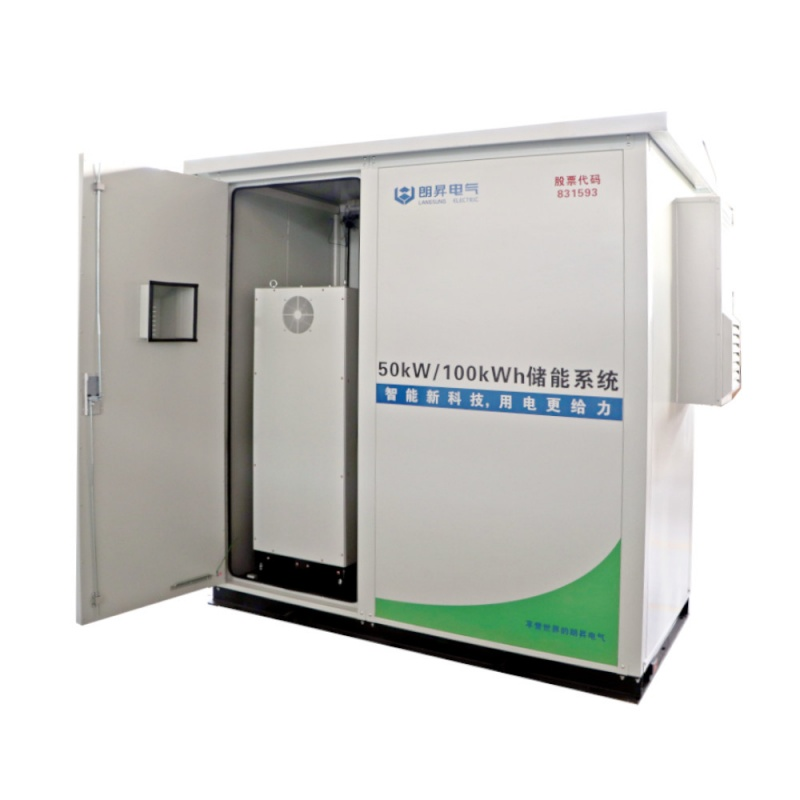
Robust Substation Design for Stable Power Delivery
Understanding Power Fluctuations in Grid Networks
Grid networks experience power fluctuations mainly because of sudden load shifts, unpredictable renewable energy sources, and switching activities throughout the system. Such instability leads to problems like voltage drops, surges, and frequency issues that ultimately affect overall power quality. Cities especially struggle with massive load variations sometimes reaching over 30 percent during rush hour periods. Substations need to keep voltages stable within about plus or minus 5 percent according to recent findings from Grid Stability Report 2023. For consistent electricity supply, modern substation designs should include robust infrastructure components alongside systems that monitor conditions in real time so they can adapt quickly when faced with these kinds of disturbances.
Key Electrical Design Parameters in Substation Layout
The key electrical design factors really impact whether a substation can handle those unpredictable power surges we all know happen from time to time. When it comes to busbar setups, there are basically three main options: single, double, or what's called breaker-and-a-half arrangements. Each choice affects how reliable the system will be when things go wrong and how redundant it needs to be for safety. Engineers run fault level analyses with software packages such as ETAP or DigSILENT before picking out switchgear that can interrupt currents within certain ranges, usually somewhere around 25kA up to 63kA depending on requirements. Getting the right size for current transformers (CTs) and voltage transformers (VTs) matters a lot too because if they're not sized properly, the whole protection system might give false readings or even get saturated during serious faults, which nobody wants.
| Design Parameter | Impact on Stability | Typical Consideration |
|---|---|---|
| Busbar Configuration | Reliability & Redundancy | Double bus for critical loads |
| Fault Level Analysis | Equipment Protection | 25kA–63kA interruption capacity |
| CT/VT Sizing | Protection Accuracy | Avoid saturation during faults |
| Grounding System | Safety & Surge Dissipation | <1 ohm resistance for HV sites |
Modern Urban Substation Case: Handling High Load Variability
Take for example this big city substation that serves around 50 thousand households. The way it handles all those ups and downs in electricity demand shows what smart engineering can achieve. They installed these fancy voltage regulators along with backup power lines, which cut down on power cuts caused by fluctuations by almost three quarters in just two years. The system constantly watches the electrical load and automatically adjusts capacitors fast enough to catch voltage changes within two cycles. Even when usage jumps or drops by as much as 40 percent day to day, everything stays stable. Looking at this real world application makes it clear why cities need infrastructure that can think on its feet when dealing with all those people crammed into tight spaces who want their lights to stay on no matter what.
Integrating Smart Grid Technologies for Adaptive Stability
The latest smart grid tech makes substations much more adaptable thanks to constant monitoring and automatic controls. These advanced systems come packed with things called PMUs that can spot problems almost instantly at the millisecond level, plus they do all sorts of predictive analysis work behind the scenes. When something goes wrong, special devices known as IEDs kick in fast to fix issues before they cause major headaches. According to recent data from Smart Grid Index 2023, substations using this kind of automation cut down on downtime caused by power fluctuations by around 45 percent. They also handle renewable energy sources better, increasing their capacity by about 28%. For utility companies looking to build stronger grids, integrating these smart technologies has become essential for keeping up with today's demands.
Common Fault Types Leading to Power Fluctuations
Power substations face different kinds of electrical problems that lead to unstable power supply situations. These include things like short circuits which send electricity along abnormal routes, ground faults where current finds unexpected paths to earth, and overloads that push systems beyond their limits. When overloaded, equipment gets dangerously hot and this heat breaks down insulating materials much faster than normal. Most serious are the faults that aren't fixed quickly enough - usually within just a few thousandths of a second - because they result in sudden drops in voltage levels, erratic frequency changes, and actual physical damage to components. According to the Grid Operations Report from last year, overcurrent issues make up almost two thirds of all problems encountered at substations. That makes them by far the biggest danger when it comes to keeping our entire electrical network stable and reliable.
How Protective Relays Detect and Isolate Faults Instantly
Protective relays keep an eye on things like current flow, voltage levels, and system frequency throughout the grid. They compare what they see with pre-set safety limits to spot problems early. The newer models based on microprocessors can catch unusual activity within just 30 milliseconds, which is actually faster than a single AC power cycle completes. When something goes wrong, these smart relays send out trip signals to shut down circuit breakers before damage spreads. This quick response helps contain electrical faults and keeps most services running without interruption. Good selective coordination between different protection devices stops small issues from turning into major outages across entire networks. Some of the latest relay technology now gets it right about 99.7% of the time when telling apart temporary voltage spikes from actual equipment failures according to recent research published in Protection Engineering Journal last year.
Coordinating Circuit Breaker Operations with Real-Time Monitoring
When circuit breakers get a signal from relays, they cut off fault currents pretty fast - usually within about 50 milliseconds. These devices work alongside intelligent electronic devices (IEDs) which makes things easier for operators who need to control equipment remotely or schedule maintenance before problems happen. The whole system works like layers of defense. First line protection jumps in right away when something goes wrong, but there's always backup systems standing by just in case the main ones don't do their job properly. According to recent studies published in Grid Resilience Report 2024, power grids that have these synchronized protection methods see around 62 percent fewer big chain reaction failures compared to older systems still running on outdated technology. That number really shows why getting all these protective components to work together matters so much for keeping our electrical infrastructure stable.
Managing Voltage Swings from Load Changes and Renewables
The problem of voltage fluctuations keeps getting worse as we deal with changing load demands and unpredictable renewable sources. Factories often see swings of plus or minus 10% when things get busy according to Ponemon's research from last year, and then there's all that extra variability coming from solar panels and wind turbines depending on what kind of day Mother Nature decides to have. These wild ups and downs really put pressure on systems to react quickly if they want to keep electricity clean enough for delicate machinery. Managing voltages properly isn't just important anymore it's absolutely critical for keeping grids stable across today's complex energy landscape where power comes from so many different places at once.
Tap Changers and Automatic Voltage Regulation Mechanisms
On Load Tap Changers or OLTCs play a really important role when it comes to keeping voltage stable during those unpredictable fluctuations we all know happen. These devices tweak the transformer's turn ratio while still letting electricity flow uninterrupted, usually reacting to any changes within about half a minute or so. When combined with Automatic Voltage Regulators that keep checking and fixing output levels constantly, the whole system works together to deliver steady voltage throughout. According to what most manufacturers say, today's OLTC models typically last around 500 thousand operations before needing service work, making them pretty durable even in tough operating conditions where stress factors are high.
On-Load Tap Changer Performance in Rural Distribution Substations
Voltage problems are pretty common in rural areas where electricity grids stretch out over long distances. The numbers tell the story too: most places see drops between 8% and 12%. That's why OLTCs work so well here. These devices keep voltages stable within about 5% of what they should be, even on those sprawling networks that can run for over 50 km. Actual field tests back this up. When technicians set up tap changers correctly, folks living far from main substations get better quality power. For communities trying to expand their access to reliable electricity, these systems make all the difference in ensuring everyone gets fair service without constant outages or equipment damage from unstable currents.
Digital Transformers with Adaptive Control: The Emerging Trend
Digital transformers are pushing the boundaries of what we can do with voltage regulation today. They bring together real time monitoring features along with systems that adapt as conditions change. These advanced setups actually look at data patterns and learn from them over time, allowing the system to anticipate demand fluctuations before they become problems. Studies indicate that when companies switch to digital transformers, they see around a 40 percent drop in those pesky voltage violations that plague traditional equipment. Plus there's better energy efficiency because parameters get adjusted dynamically throughout operation. The ability to predict issues really helps keep grids stable, especially important for power networks where lots of renewable sources are feeding into the mix.
Transient Overvoltages from Lightning and Switching Events
Voltage spikes happen when lightning strikes nearby or during electrical switching events, sometimes reaching hundreds of kilovolts within just a few millionths of a second. Direct lightning strikes don't actually happen that often, but those sudden power surges from things like capacitor bank switching or clearing faults are pretty common occurrences in industrial settings. What makes these voltage jumps so dangerous is how they attack insulation materials, potentially causing major equipment failures down the line unless proper safeguards are put in place across the entire system.
Effective Grounding Techniques to Dissipate Surge Currents
Low impedance grounding systems play a critical role in channeling those dangerous surge currents safely into the ground where they belong. These systems help reduce those hazardous step and touch voltages that can put workers at risk and damage expensive equipment. For high voltage substations specifically, keeping grounding resistance under that magic number of 1 ohm according to IEEE standard 80 is pretty much non-negotiable if we want those fault currents to dissipate properly. Good grounding doesn't just handle emergencies though it actually keeps system voltages stable day to day as well as when things go wrong. Without proper grounding, substations simply aren't safe places to work or operate from.
Integrating Surge Arresters and Shielding for Full Protection
When it comes to protecting electrical systems from voltage spikes, surge arresters and shielding systems form a powerful team. The arresters basically act as safety valves, channeling away extra current when voltages get too high. At the same time, those overhead shield wires serve as first responders, catching lightning before it can hit critical infrastructure. According to findings from last year's Grid Protection Research Project, this layered approach cuts down on equipment failures caused by power surges. It also makes the whole system more robust against both outside threats like storms and internal issues within the grid itself.
Impact of High Fault Currents on Substation Equipment Integrity
When fault currents get too high, they put substation equipment at serious risk because they push past what the components can handle thermally and mechanically. Think about what happens during a short circuit where the current goes beyond 40 kiloamperes. Temperatures can spike well past 6,000 degrees Celsius, which literally melts away copper conductors and creates explosive problems in transformers, circuit breakers, and those metal bars that connect everything together. These kinds of incidents don't just damage equipment but also result in expensive repair bills, power outages lasting days or even weeks, and real safety risks for workers on site. That's why proper management of these fault currents remains so important for keeping substations running reliably over time and maintaining overall grid stability across the electrical network.
Accurate Short Circuit Calculations for Proper Equipment Selection
Getting accurate short circuit calculations right is really important when designing substations. Most engineers rely on symmetrical components method to figure out what happens during those unbalanced fault situations and calculate the maximum possible current flows. They need to take into account things like transformer impedance levels, how much current generators contribute, and the overall layout of the electrical network. The results from these calculations then help pick the right circuit breakers that can actually handle the worst case scenarios, select current transformers that won't saturate under stress, and choose busbar materials strong enough to withstand both heat buildup and mechanical forces. Without this kind of precise analysis, we either end up with equipment failures down the road or spend way too much money building systems that are unnecessarily robust for what they need to handle.
Deploying Fault Current Limiters and High-Interruption-Capacity Switchgear
When dealing with extreme electrical faults, Fault Current Limiters (FCLs) along with high capacity switchgear play a crucial role. These limiters come in different forms including superconducting models, solid state versions, and those based on induction principles. They work really fast too, cutting down fault currents by around 80 percent within just a few milliseconds which helps protect all the equipment connected downstream. The latest SF6 gas and vacuum circuit breakers have proven themselves capable of handling current surges well beyond 63 kiloamperes. According to recent findings from an industry study published last year, power stations equipped with these technologies saw about half as many equipment breakdowns during fault situations compared to traditional setups. This makes them particularly valuable for expanding electrical grids while integrating more renewable energy sources into existing infrastructure.
FAQ
What causes power fluctuations in grid networks?
Power fluctuations are mainly caused by sudden load shifts, unpredictable renewable energy sources, and switching activities within the grid network.
How do modern substations handle high load variability?
Modern substations install voltage regulators and backup power lines to manage ups and downs in electricity demand effectively, reducing power cuts significantly.
What role do smart grid technologies play in substation performance?
Smart grid technologies enhance adaptability through constant monitoring and automatic controls, minimizing downtime and optimizing renewable energy integration.
How are voltage swings from renewables managed?
Voltage swings from renewables are managed using OLTCs and Automatic Voltage Regulators to maintain steady voltage levels.
Table of Contents
-
Robust Substation Design for Stable Power Delivery
- Understanding Power Fluctuations in Grid Networks
- Key Electrical Design Parameters in Substation Layout
- Modern Urban Substation Case: Handling High Load Variability
- Integrating Smart Grid Technologies for Adaptive Stability
- Common Fault Types Leading to Power Fluctuations
- How Protective Relays Detect and Isolate Faults Instantly
- Coordinating Circuit Breaker Operations with Real-Time Monitoring
- Managing Voltage Swings from Load Changes and Renewables
- Tap Changers and Automatic Voltage Regulation Mechanisms
- On-Load Tap Changer Performance in Rural Distribution Substations
- Digital Transformers with Adaptive Control: The Emerging Trend
- Transient Overvoltages from Lightning and Switching Events
- Effective Grounding Techniques to Dissipate Surge Currents
- Integrating Surge Arresters and Shielding for Full Protection
- Impact of High Fault Currents on Substation Equipment Integrity
- Accurate Short Circuit Calculations for Proper Equipment Selection
- Deploying Fault Current Limiters and High-Interruption-Capacity Switchgear
- FAQ