EN
EN



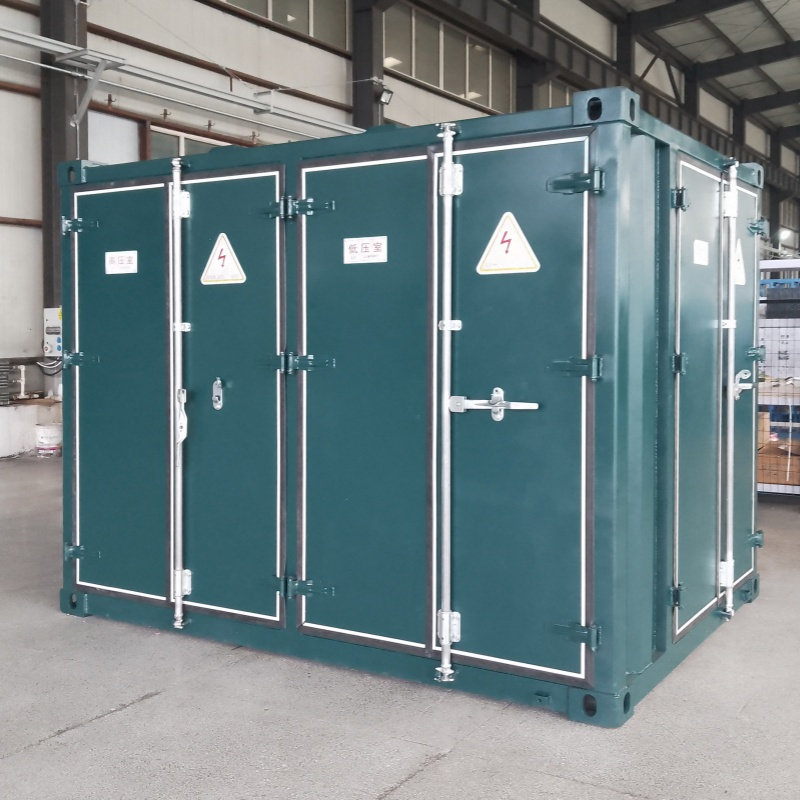
Understanding the Role of Ring Main Units in Power Distribution Networks
Functions and roles of ring main units in power distribution
Ring main units, or RMUs for short, are essentially compact switchgear setups found throughout medium voltage power grids, usually working within the 6kV to 24kV range. What these devices do basically is manage and safeguard electrical circuits, plus they create those ring configurations that give us backup power routes when needed. The whole point of this setup is allowing current to travel different ways through the system. So when there's a problem somewhere along the line, the power just switches tracks automatically via other available paths, keeping things running smoothly without interruption. According to latest figures from the 2024 Power Distribution Report, grids equipped with RMUs see around 40 percent less downtime each year than traditional radial systems. That kind of reliability makes them pretty indispensable components in today's increasingly complex electrical infrastructure.
Purpose and function of RMUs in ensuring reliable power supply
RMUs exist mainly to keep power flowing reliably by combining protection features with smart switching abilities. Inside these units we find things like load break switches, circuit breakers, and those fused disconnectors that kick in when there's a problem section somewhere on the grid. They cut off faulty parts pretty fast too, usually between 100 to 300 milliseconds, which stops small problems from turning into bigger ones throughout the whole system. When paired with the ring layout's built-in backup paths, this setup gives us what engineers call "N-1" reliability. Basically, it means service stays online even when one part breaks down. The automatic transfer function really shines for places where power outages just won't cut it. Think hospitals needing life support systems, data centers protecting valuable information, or factories running assembly lines that can't afford downtime during regular maintenance or unexpected emergencies.
Applications of ring main units in urban, industrial, and renewable energy systems
RMUs have become pretty common throughout urban areas, industrial complexes, and renewable energy setups mainly because they take up so little space and can be adapted easily. Cities rely on them to manage underground power grids and those tight spots where traditional substations just won't fit, all while keeping up with our growing need for electricity and making sure things stay reliable. For factories and manufacturing plants, these units are essential since they handle faults really well. When something goes wrong, RMUs can isolate the problem area fast, cutting down on expensive downtime that companies typically lose around $740k each time it happens, as numbers from the Ponemon Institute show. What's interesting too is how RMUs help bring renewable energy into the mix. They manage the back and forth power movement from solar panels and wind turbines, ensuring everything stays stable even when conditions change thanks to those fancy protective features built right in.
Core Structure and Working Principle of a Ring Main Unit
Ring main units work based on what's called a closed loop system, which means they can keep supplying power even when there are problems or maintenance going on somewhere else. The big difference compared to regular radial systems is how electricity moves around. In a ring setup, current can travel both ways around the circuit. When part of the system goes bad, the faulty section gets cut off automatically. At the same time, power keeps flowing through other parts of the ring thanks to smart switches that kick in. What this does is reduce downtime for customers and makes the whole electrical network much more reliable in real world conditions.
Ring Main Unit Working Principle Explained
How it works basically depends on finding problems automatically and cutting them off before they spread throughout the system. Protective relays work together with circuit breakers and those special switches called load-breakers for this purpose. If something goes wrong somewhere in the grid, the relays send signals to trip the circuit breaker within about two to three cycles of electricity passing through. At the same time, these sectionalizing switches kick in to rearrange how power flows so service can come back from another part of the network. Most modern electrical systems have this two-way switching ability thanks largely to SCADA systems controlling everything behind the scenes. As a result, we're seeing average yearly outages drop below just five whole minutes across many areas now.
Key Components of a Ring Main Unit and Their Functions
Core components include:
- Circuit breakers that interrupt fault currents quickly and safely
- Load-breaking switches for isolating live circuits under normal load conditions
- Busbars that distribute power among multiple feeders
- Protective relays that monitor voltage, current, and frequency to initiate disconnection when anomalies occur
- Enclosure with IP67 rating, providing robust protection against dust, moisture, and environmental stress
These elements work together to create a self-healing network architecture that reduces outage duration by up to 80% compared to traditional radial systems (IEEE 2022). The modular design also supports scalable expansion from 2-way to 5-way configurations as demand grows.
Types and Configurations of Ring Main Units: Insulation and Functional Design
Types of RMUs by Insulation Medium: Gas-Insulated, Air-Insulated, Solid-Insulated, Hybrid
The classification of RMUs depends largely on their insulation medium, something that affects everything from safety considerations to physical dimensions and what kind of job they can handle. Gas insulated RMUs, often called GIS systems, typically employ sulfur hexafluoride or other substitute gases. These setups work really well at stopping electrical arcs and take up less room overall, making them great choices for cities where space is at a premium. On the flip side, air insulated units (AIS) depend on regular atmospheric air instead. While these tend to be cheaper initially and easier to maintain over time, they need significantly more room during installation. Solid insulation options use materials like epoxy resins or various polymers as dielectrics. This approach completely removes concerns about gas leaks and generally makes things safer from an environmental standpoint too. Some manufacturers have started creating hybrid versions that mix characteristics from multiple insulation approaches. These combinations help balance out factors like performance requirements, budget constraints, and long term sustainability goals depending on exactly how the equipment will be used in practice.
Functional Configurations: 2-Way, 3-Way, 4-Way, and 5-Way RMUs
The way these devices are configured really affects how flexible they can be when switching and what kind of network complexity we're dealing with. Two way RMUs basically handle straightforward input output routing, which works fine for those simple radial feed situations most folks encounter. Moving up to three and four way units opens things up quite a bit since they can connect to several transformers or different load points at once. This supports ring topologies and actually makes the system more redundant than standard setups. And then there's the five way RMUs that take things to another level entirely. These bad boys come equipped with multiple busbar sections making them perfect for places like hospitals or data centers where uptime is absolutely critical. When reliability matters most, having that extra flexibility to reconfigure on the fly becomes something worth paying attention to.
Comparison Between GIS and AIS Ring Main Units: Performance vs. Cost
When picking between GIS and AIS RMUs, engineers have to weigh what works best for their specific situation against what fits within financial limits. The GIS option stands out for its impressive capabilities, taking up about two thirds less room compared to traditional models, plus it handles short circuits better and lasts longer even when exposed to dirt or moisture. Of course there's a catch though these systems usually set back around double what AIS would cost upfront. On the flip side, AIS equipment tends to be cheaper to install and simpler to maintain, but takes up significantly more floor space and doesn't hold up so well under tough environmental conditions. Most folks go with GIS in crowded city locations where every square foot matters, while many factories and farms still stick with AIS because they don't face the same space constraints.
Advantages of Ring Main Units for Reliable and Efficient Power Supply
Reducing outages and improving power quality with RMUs
RMUs cut down on power outages because they can isolate problems quickly before things get worse. When these issues are contained early, it helps keep the whole system running better since there are fewer voltage drops and electrical spikes messing things up. According to recent research from last year's grid reliability reports, networks with RMUs had around 40 percent less unexpected downtime compared to older radial setups. Plus, their modular nature means technicians can fix specific parts without turning off entire sections of the network. This is really important for hospitals, data centers, and other places where continuous electricity supply just cannot be interrupted at all.
Energy efficiency and load management capabilities of RMUs
Today's Remote Monitoring Units (RMUs) boost energy efficiency by managing loads smartly. These systems let operators route power dynamically, which means they can spread out the workload between different feeders and stop transformers from getting overloaded something that causes a lot of technical losses in the grid. When loads are distributed properly using RMUs, electrical losses drop around 15% compared to older fixed setups. Another advantage comes from gas insulated designs that cut down on those annoying parasitic losses because the insulation works so much better electrically. All these features combined mean lower bills for utility companies and factories while making their whole operation run smoother and cleaner overall.
Smart and IoT-Enabled Ring Main Units for Modern Grid Integration
Smart and IoT-enabled RMUs for remote monitoring and control
Smart RMUs come equipped with built-in sensors and connectivity features that monitor things like load current, voltage levels, temperature changes, and how well the insulation is holding up over time. The Internet of Things aspect means these systems can spot problems before they become serious issues. By looking at patterns in the data, they catch early warning signs something might be going wrong down the line, whether it's minor electrical discharges or components getting too hot. What makes these units really valuable is their remote control capabilities. Instead of sending out technicians every time there's an issue, operators can adjust the network setup from afar or cut off power to faulty sections right away. This saves both time and money while keeping the whole system running smoothly even when unexpected problems pop up.
Automated ring main units and integration into digital and smart grids
RMUs that are automated serve as smart components in modern digital grids, linking up with DMS and SCADA systems without any problems. These devices communicate back and forth through specific protocols, allowing operators to manage how electricity flows across the network, work with various energy sources spread throughout the grid, and even perform automatic repairs when issues arise. The automation goes further into what's called FDIR processes for detecting faults, isolating them quickly, and restoring service. When something goes wrong on part of the grid, these systems can redirect power in just a few seconds so most customers don't experience outages at all during these incidents.
Case study: Implementation of smart RMUs in an urban microgrid
A recent urban microgrid initiative swapped out old switchgear for modern RMUs that come packed with temperature sensors, partial discharge monitoring capabilities, and built-in cellular connections. After putting these new systems into operation, the results were pretty impressive: outages lasted about 45% less time than before, while maintenance costs dropped around 30%, thanks largely to those predictive diagnostic features. The real-time data stream made it possible to balance loads dynamically when demand spiked, keeping energy consumption efficient and maintaining steady voltage throughout the whole network, which naturally kept everything compliant with regulations too.
FAQ
What is a Ring Main Unit (RMU)?
A Ring Main Unit (RMU) is a compact switchgear unit crucial for managing and protecting electrical circuits within medium voltage power distribution networks. They facilitate alternative power routes through a ring configuration, enhancing system reliability and reducing downtime.
What are the main components of RMUs?
Core components of RMUs include circuit breakers, load-breaking switches, busbars, protective relays, and robust enclosures. These elements work together to ensure swift isolation of faults and efficient power distribution.
How do RMUs enhance power supply reliability?
RMUs combine protective features with smart switching capabilities, supporting automatic fault isolation and offering N-1 reliability. This setup ensures continuous power supply even if one system part encounters an issue.
What are the differences between GIS and AIS RMUs?
Gas-Insulated RMUs (GIS) use gas like sulfur hexafluoride for insulation, offering compactness and superior fault handling but at a higher cost. Air-Insulated RMUs (AIS) use atmospheric air, being more affordable but occupying more space.
How do smart RMUs integrate into modern grids?
Smart RMUs feature sensors and connectivity allowing remote monitoring and control. They integrate seamlessly with digital grid systems, facilitating efficient fault detection, isolation, and automatic service restoration.
Table of Contents
- Understanding the Role of Ring Main Units in Power Distribution Networks
- Core Structure and Working Principle of a Ring Main Unit
- Types and Configurations of Ring Main Units: Insulation and Functional Design
- Advantages of Ring Main Units for Reliable and Efficient Power Supply
- Smart and IoT-Enabled Ring Main Units for Modern Grid Integration
- FAQ