EN
EN



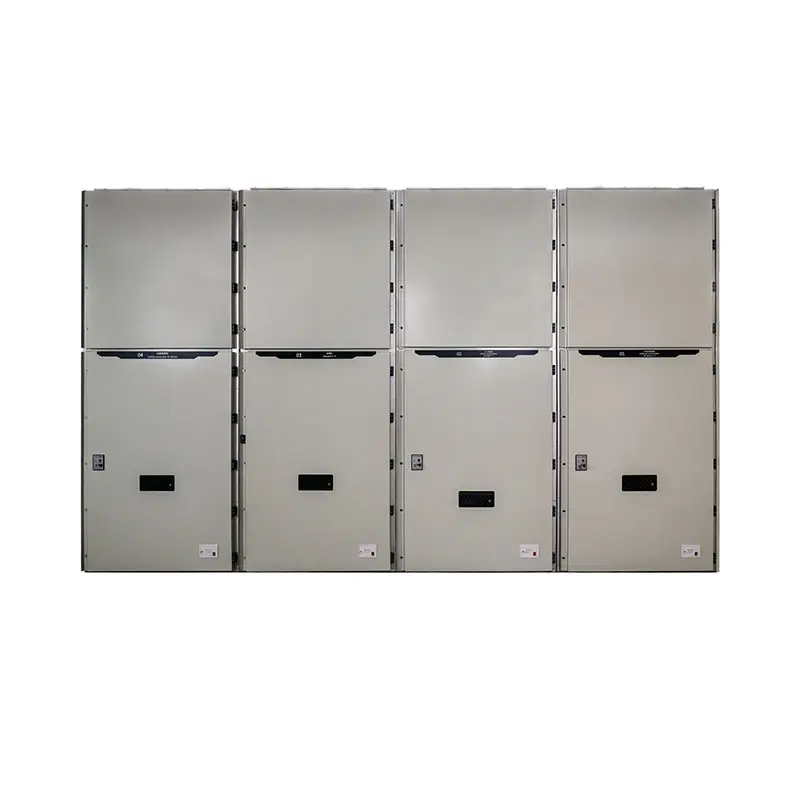
Understanding Voltage Levels and Matching Load Requirements
Types of switchgear by voltage level (low, medium, high voltage)
The world of industrial switchgear breaks down into different voltage classes, each designed for particular jobs on the factory floor. Low voltage gear, usually anything under 1 kV, takes care of things like motor control centers and those big distribution panels we see everywhere. Then there's medium voltage stuff running from around 1 kV all the way up to 52 kV. These systems handle most of the main distribution work and provide critical protection functions across manufacturing sites. For the really high power needs, high voltage equipment comes into play above 52 kV levels. These installations protect massive transmission networks and support operations in energy intensive industries. Getting familiar with these categories isn't just theoretical knowledge it makes a real difference when selecting the right equipment for actual installation scenarios in various electrical setups.
Evaluating electrical system requirements (voltage, current, load types)
Getting the electrical parameters right is really important when choosing switchgear for any installation. The system voltage basically tells us what kind of insulation we need, and current ratings help figure out proper conductor sizes plus what protective devices are necessary. Then there's the load type to consider too. Resistive, inductive or capacitive loads all behave differently during switching operations and affect how protection systems work together. Facility managers should look closely at things like harmonic distortion levels, those big initial current surges when equipment starts up, and overall power factor because these elements have a real effect on how well switchgear performs over time and how long it will last before needing replacement.
Matching switchgear ratings to industrial loads (voltage, short-circuit, current)
Getting the ratings right is critical for keeping equipment running and making sure everyone stays safe on site. When looking at voltage ratings, they need to be set higher than what the system normally sees, usually around 10 to maybe even 15 percent extra space just in case there are those annoying little voltage spikes that happen all the time. For short circuit protection, components need to handle whatever fault current might come through. Some studies out there indicate that when things are properly coordinated, we see about half as many dangerous arc flash events compared to setups where ratings don't match up well. And let's not forget about continuous current ratings either. These have to cover regular day-to-day operations plus those unexpected moments when loads spike temporarily. Most factories end up going with something like 125% to 150% of their calculated max load just to be safe.
Impact of load variability and peak demand on switchgear performance
When industrial loads fluctuate, they really take a toll on switchgear both in terms of how well it works and how long it lasts. The kind of cyclical loading we see all over manufacturing plants leads to constant thermal expansion and contraction of parts, which wears them out much faster than normal. During those peak demand times, the interruption capabilities get put through their paces, especially when motors start up drawing currents that can spike to six times what they normally handle at full load. For facilities dealing with these wild load variations, installing better cooling solutions makes sense. Also worth looking into are switchgear options rated for higher duty cycles, since this helps keep things running reliably even when demand suddenly jumps up.
Comparing AIS and GIS Switchgear: Performance, Space, and Environmental Factors
Operational differences between AIS and GIS switchgear
What really sets Air-Insulated Switchgear (AIS) apart from Gas-Insulated Switchgear (GIS) is basically their approach to insulation and what that means for how they perform. With AIS, regular air does the job of keeping things insulated, so there needs to be plenty of space between all the parts, making these systems bigger and more open for people to see into. On the other hand, GIS relies on sulfur hexafluoride gas (SF6) or newer green alternatives instead. These gases offer much better electrical insulation properties but need to be kept in tight, sealed enclosures. Because of this setup, GIS tends to work better when conditions get dirty or rough around industrial sites. Meanwhile, AIS still wins out when it comes to checking components visually during routine maintenance checks since everything's right there in front of technicians who can spot issues quickly without having to break into any kind of enclosure first.
Insulation-based classifications (AIS, GIS, OIS, VIS) and their applications
The classification of switchgear systems depends largely on their insulation type, with different options better suited for particular industrial needs. Apart from the common AIS and GIS types, there's also Oil-Insulated Switchgear (OIS) that relies on mineral oil for insulation in those high voltage situations. Then we have Vacuum-Insulated Switchgear (VIS) which makes use of vacuum interrupters mainly for medium voltage work. Air Insulated Switchgear (AIS) continues to be the go to choice when there's plenty of room available outdoors. But when space is tight or conditions晉儕 like in cities or tough environments, GIS tends to perform better. OIS equipment shows up most often in large scale utility power transmission projects. For applications requiring lots of switching back and forth, VIS becomes the preferred option because it requires almost no maintenance and poses fewer environmental risks compared to other alternatives.
Space constraints and environmental conditions in installation settings
When choosing switchgear, how much space it takes up and how well it handles different environments really matters. GIS systems take about one third of the room compared to similar AIS setups, which makes them great choices for tight spots like city factories, below ground installations, or places where local regulations limit available space. The sealed design protects against all sorts of nasties too dust, dampness, chemical exposure, even harsh weather conditions. AIS does need more elbow room though. It actually handles heat better than GIS, so many folks still go with AIS when they have plenty of ventilation outdoors and don't worry much about dirt getting into the equipment. Most installation sites pick whichever fits their specific situation best.
Case Study: GIS adoption in urban industrial facilities with space limitations
In a manufacturing plant located in downtown Chicago, switching to GIS technology showed just how useful it can be in tight spaces. The factory had serious problems finding enough room and dealing with city building rules. So they swapped out their old air insulated switchgear for GIS equipment. What happened? They cut down on floor space needed by about 70%, yet kept all their power handling capabilities intact. Plus, since GIS has that sealed enclosure, there were no more interruptions from dirt floating around the city or rainwater getting into components during wet seasons. Maintenance crews spent roughly 40 fewer hours per year fixing stuff that used to break down constantly. For any business stuck in an urban area fighting against limited square footage and environmental challenges, this real world example shows why GIS makes so much sense these days.
Safety Features and Compliance with Industrial Standards
Essential safety features (arc resistance, dead front, compartmentalization)
Industrial switchgear these days comes packed with essential safety measures designed to keep workers safe and equipment intact. The arc resistant design is pretty crucial here it basically traps those dangerous arc flashes and sends them somewhere else so they don't hit anyone nearby. That really cuts down on injuries when things go wrong. Then there's dead front construction which makes sure none of the live parts can be touched under normal conditions. And don't forget about compartmentalization either this keeps different parts of the system separated so if one section fails, it doesn't spread problems throughout the whole setup. All these safety elements combined make for much better protection in places where electrical accidents could spell disaster for everyone involved.
Compliance with key standards (IEEE, ANSI, UL, IEC, NFPA, OSHA)
Meeting industrial standards isn't optional when it comes to deploying switchgear systems. The main ones are IEEE C37 covering performance tests, ANSI dealing with equipment ratings, UL handling safety certifications, IEC working on global standardization, NFPA 70E focusing on workplace safety protocols, and OSHA rules protecting workers from hazards. Following these guidelines means the gear will at least meet basic safety thresholds regarding things like insulation strength against voltage spikes, ability to handle sudden electrical faults, and overall dependable operation over time. Companies need proper paperwork showing they've met all these standards too. This documentation isn't just bureaucratic red tape it actually makes getting approvals from regulators much smoother and helps secure necessary insurance coverage without unnecessary delays.
Navigating global vs. regional compliance in multinational operations
Running operations across multiple countries brings its own set of headaches when dealing with different compliance rules from place to place. The IEC standards offer a global baseline, but how they're actually put into practice varies quite a bit depending on where you are. In North America, most plants need to stick to ANSI/IEEE standards plus whatever local regulations apply there. Over in Europe, companies generally go with IEC standards too, though each country tends to tweak them according to their own needs. Because of these differences, picking the right switchgear becomes a real puzzle job. Equipment that works fine in one market might fail inspection somewhere else entirely. That's why so many big companies just bite the bullet and apply the strictest standards everywhere they operate. Sure, it costs more upfront, but it saves tons of time and hassle down the road with fewer compliance issues popping up unexpectedly.
Switchgear Configurations and Components for Operational Reliability
Getting the switchgear setup right makes all the difference when it comes to keeping operations running smoothly in industrial settings. Most facilities go with Ring Main Units (RMUs) when they need something compact for their distribution network needs. Drawout designs are popular too because they make maintenance work much easier to handle without shutting everything down. Then there's the whole range of busbar arrangements out there, which can really affect how safe the system is and whether it can grow as demand increases. The good news is each option brings something different to the table regarding isolating faults, adapting to changing conditions on site, and making efficient use of available space in crowded electrical rooms.
Common configurations (RMU, drawout, busbar design, access types)
RMUs find their place across many medium voltage applications because they pack so much functionality into a small footprint and keep power flowing continuously through those looped systems. The drawout configuration is pretty cool actually since it lets technicians pull out circuit breakers and various parts for maintenance work without having to shut down everything else. This means safer operations overall and less downtime when something goes wrong. When looking at busbar options, there's typically either a single or split system approach. These different setups impact how electricity gets distributed throughout the unit and what happens during faults. Meanwhile, access points come in three main varieties: front only, rear only, or both sides. Choosing between them really depends on where space is available and what kind of workflow makes sense for day to day operations.
Core components (circuit breakers, relays, disconnect switches)
At the heart of every switchgear setup we find three main parts working together. First there are circuit breakers designed to cut off power when something goes wrong in the electrical flow. Then protective relays act like sentinels watching for anything unusual in the system before they send signals to shut things down safely. Lastly, disconnect switches allow technicians to manually isolate sections when needed for maintenance or repairs. All these pieces need proper ratings based on what kind of voltage levels and potential short circuits they might face during operation. If not properly matched, equipment failures can happen even under normal conditions. Getting the timing right between different components matters a lot too. For instance, making sure protective relays react fast enough relative to how quickly circuit breakers operate helps reduce unplanned outages and protects expensive machinery from damage over time.
Circuit breaker types and arc interruption technologies
There are multiple kinds of circuit breakers on the market these days, like air, vacuum, and those filled with SF6 gas, all working differently when it comes to stopping electrical arcs. Most people go for vacuum breakers when dealing with medium voltage stuff because they stop arcs pretty fast and don't need much upkeep. High voltage installations tend to use SF6 models since the gas provides great insulation against electrical faults. Some newer designs incorporate things like magnetic actuators or special chambers that put out arcs automatically. These improvements actually make a big difference in day to day operations, cutting down on component wear over time and significantly lowering the risk of dangerous arc flashes that can damage equipment and harm workers.
Trend: Integration of smart relays and digital monitoring systems
More and more switchgear designs are now incorporating smart relays along with digital monitoring systems that give operators instant information about how things are performing, what loads they're handling, and even the condition of insulation materials. What these tech additions do is pretty straightforward really they help predict when maintenance might be needed, cut down on those unexpected power failures, and let technicians work from afar without having to climb into dangerous equipment all the time. Plants that switched over to this kind of digital setup often see around a 30% boost in how quickly they can fix problems plus better energy management overall. For facility managers looking at the big picture, investing in smart tech isn't just about keeping lights on it's becoming essential for maintaining reliable operations year after year.
Lifecycle Cost Analysis and Long-Term Value in Switchgear Procurement
Breaking down costs: Initial purchase, installation, maintenance, lifecycle
When looking at the full lifecycle costs of industrial switchgear, there are basically four big money areas to consider. First comes the upfront capital spend, then installation and getting everything running properly, followed by regular maintenance and day-to-day operating costs, and finally what happens when it's time to dispose of or replace the equipment. People tend to focus too much on just the sticker price, but installing these systems especially for medium to high voltage applications can eat up around a quarter to almost a third of the whole project budget. Maintenance ends up being where most folks get surprised, since it varies so much from year to year. Regular checkups usually run about 2-3% of what was paid originally each year, whereas fixing things after breakdowns costs anywhere from 5 to 10 times more than planned maintenance. Looking across the industry data, maintenance plus operation costs make up roughly two thirds of all expenses over twenty years, which means smart maintenance strategies aren't just nice to have they're absolutely essential if companies want to maximize their return on investment in the long run.
Strategy: Applying total cost of ownership (TCO) in decision-making
When companies adopt a total cost of ownership (TCO) approach for switchgear purchases, they're shifting from simple capital spending decisions to something much more strategic about long term value. The TCO method looks beyond just specs sheets at things like how reliable the gear will be day to day, what kind of maintenance it needs over time, how efficient it runs, and those hidden costs when equipment fails during production. Plants need to build their own TCO models based on real world factors such as power demands across shifts, temperature extremes where equipment sits, and whether maintenance staff has the right tools for repairs. Looking at switchgear options through this lens lets businesses actually compare apples to apples financially. What many find surprising is that spending more upfront on premium systems can save money down the road because these systems typically require less frequent repairs, run smoother overall, and last significantly longer between replacements.
Data Point: 30% higher initial cost of GIS offset by 40% lower maintenance over 20 years (IEEE)
Looking at switchgear costs beyond just what it costs upfront makes financial sense according to industry numbers. The IEEE has found that while gas insulated switchgear (GIS) systems generally cost about 30% more initially than air insulated options, they tend to save around 40% on maintenance expenses over two decades. Why? Because GIS units are sealed systems that protect against environmental factors, cut down on corrosion issues, and mean technicians don't need to open them up as often for checks. Industrial plants that have limited floor space will appreciate this too since GIS takes up less room. Plus there are fewer breakdowns and less downtime overall. All these factors combined usually result in total ownership costs being between 25% to 35% cheaper for GIS even though the sticker price is higher when first purchased.
FAQ Section
What are the different voltage levels in industrial switchgear?
Industrial switchgear is classified based on voltage levels into low voltage (up to 1 kV), medium voltage (1 kV to 52 kV), and high voltage (above 52 kV).
How do you evaluate electrical system requirements for switchgear?
It's important to consider system voltage for insulation needs, current ratings for conductor sizes, and load types (resistive, inductive, capacitive) which affect switching and protection systems.
What are AIS and GIS in switchgear?
AIS stands for Air-Insulated Switchgear, which uses air for insulation. GIS, on the other hand, uses gases like SF6 for insulation, which offers better insulation properties in sealed setups.
Why is GIS preferred in urban areas?
GIS systems are compact and sealed, making them suitable for urban environments with limited space and harsh conditions, reducing interruptions from environmental factors.
How does switchgear ensure safety and compliance?
Modern switchgear includes safety features like arc resistance, dead front construction, and compartmentalization. It complies with standards like IEEE, ANSI, UL, IEC, NFPA, and OSHA to ensure safety.
What is Total Cost of Ownership (TCO) in switchgear?
TCO considers not just the purchase price but also factors like maintenance, efficiency, and lifecycle costs, leading to strategic long-term financial decisions.
Table of Contents
- Understanding Voltage Levels and Matching Load Requirements
- Comparing AIS and GIS Switchgear: Performance, Space, and Environmental Factors
- Safety Features and Compliance with Industrial Standards
- Switchgear Configurations and Components for Operational Reliability
- Lifecycle Cost Analysis and Long-Term Value in Switchgear Procurement