EN
EN



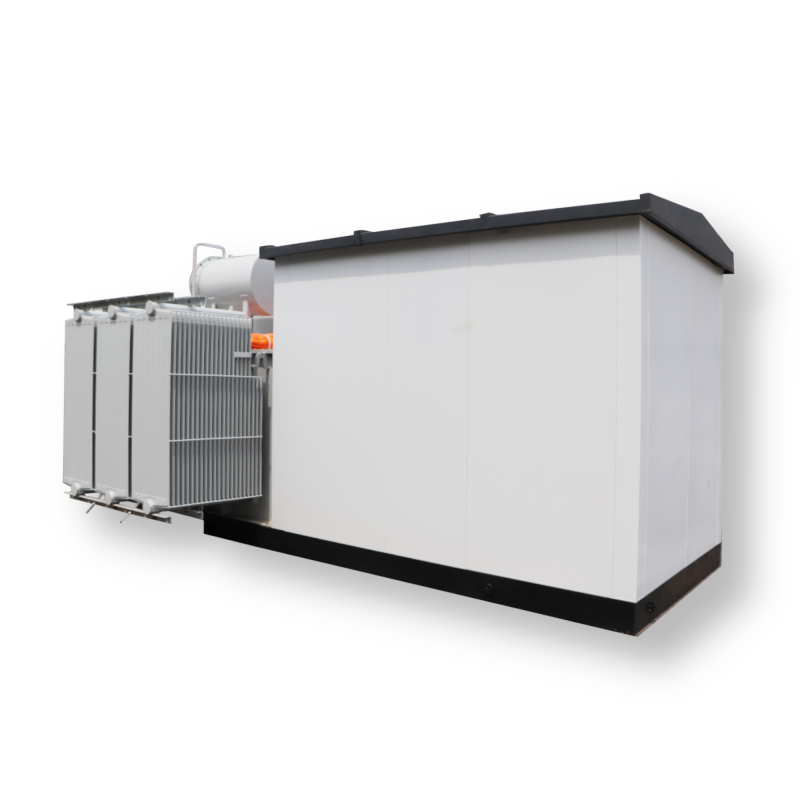
Why Substation Modernization Is the Cornerstone of Grid Stability
Think of substations as the brains behind our electrical networks, handling everything from changing voltages to balancing loads and isolating faults so we don't lose power unexpectedly. But here's the problem: most of these facilities are way past their prime age, built back when things were simpler on the grid. Now they're getting hammered by all sorts of new demands including electric vehicles charging up everywhere, solar panels popping up on rooftops, and wild weather events becoming more common than ever before. Old gear simply isn't cut out for dealing with power coming in both directions from those small scale renewable sources. And let's face it, nobody wants to spend money fixing something until it breaks down completely, which means problems get worse over time. When a substation goes down, it doesn't just affect one area but can knock out entire regions, and according to Ponemon Institute research last year, each major blackout costs utility companies around $740,000. That's where modern tech comes in handy. Installing systems like SCADA allows operators to keep tabs on equipment condition constantly, plus there are fancy relays and artificial intelligence tools helping predict failures before they happen. These improvements turn what used to be static parts of the system into active components that actually protect against disruptions. If we skip investing in this kind of upgrade though, our whole electricity network stays vulnerable, putting hospitals at risk during storms and causing headaches for businesses relying on stable power supply, especially those running massive data centers that never shut down.
Core Pillars of Substation Modernization: Automation, Resilience, and Intelligence
Digital Substation Architecture and IEC 61850 Integration
Digital substations are changing the game by swapping out old copper wires for fiber optic cables and Ethernet connections. This setup lets all those smart electronic devices talk to each other in real time throughout the system. There's this thing called IEC 61850 that acts as a common language for everything from protection relays to meters and controllers made by different companies. No more fighting with proprietary systems anymore! Engineers love it because they don't have to deal with so many compatibility issues. According to field reports, these changes can bring down engineering expenses somewhere around 30 percent while making problems easier to spot faster. When implementing process buses, the wiring gets much simpler too. Some installations see reductions in complexity as high as 70%. That means adding distributed energy resources like solar farms becomes possible without tearing apart entire control rooms just to make space for new equipment.
Climate-Resilient Substation Hardening Against Extreme Weather Events
According to the Department of Energy's 2023 report, about 40 percent of all substation failures worldwide are actually caused by extreme weather conditions. This has led many utility companies to invest in both physical upgrades and better operational procedures for their facilities. When it comes to dealing with floods specifically, engineers often lift important components well above what would be considered normal flood levels for most areas. Some installations even go so far as to use special waterproof enclosures similar to those found on submarines. For wildfires, there's been a trend toward applying heat resistant coatings to equipment, running cables underground where possible, and installing smart sensors that can detect early signs of fires through artificial intelligence systems. And beyond just the physical infrastructure improvements, some grids now utilize real time weather data analysis software that automatically shifts electrical loads before major storms hit coastal regions. One power company reported cutting down on service interruptions during recent hurricane season by around two thirds thanks to these proactive measures.
AI-Driven Predictive Maintenance and Real-Time Asset Health Monitoring in Substations
Today's electrical substations are starting to rely on artificial intelligence for predicting equipment problems before they happen, which makes the whole power grid much more reliable. These smart systems look at old performance records along with live data from all sorts of sensors. They check things like heat images and tiny electrical discharges that might indicate something bad is about to happen with transformers, circuit breakers, and those big high voltage components we don't often think about. When companies fix problems this way instead of waiting for scheduled checks, they cut down on unexpected power cuts by around half. The equipment itself lasts longer too, maybe 20 to 40 percent extra time. That adds up to massive savings across the entire industry, somewhere near 740 billion dollars each year according to recent estimates. Traditional inspection schedules require checking everything regardless of actual condition, but with this new method, crews only show up when there's an actual issue detected. This saves money and stops major failures that could leave whole neighborhoods without electricity during storms or peak demand periods.
Transforming SCADA and PMU Data into Prescriptive Insights
Supervisory Control and Data Acquisition (SCADA) and Phasor Measurement Units (PMUs) generate vast operational datasets. AI converts this raw information into actionable intelligence through:
- Anomaly detection: Identifying deviations in voltage stability or thermal patterns
- Failure forecasting: Predicting insulation degradation in circuit breakers 3–6 months pre-failure
- Resource optimization: Prioritizing maintenance tasks based on criticality and cost impact
| Data Type | Traditional Use | AI-Enhanced Application |
|---|---|---|
| SCADA metrics | Basic operational control | Predictive load-failure correlations |
| PMU synchrophasors | Grid stability snapshots | Real-time resilience scoring |
| Thermal imaging | Visual inspection aid | Automated hotspot trend analysis |
Advanced algorithms correlate SCADA event logs with PMU frequency data to prescribe precise interventions–such as recalibrating protective relays before voltage irregularities cascade. This shifts utilities from reactive fixes to precision operations, boosting substation uptime by 30% in climate-stressed regions.
Operational and Regulatory Impacts of Substation Upgrades on Grid Efficiency
Modernized substations enhance grid efficiency through automation and real-time monitoring. Automated fault detection enables self-healing responses–slashing outage durations and reducing manual interventions. These upgrades also ease renewable integration by dynamically balancing variable solar and wind inputs while minimizing transmission losses.
The push for modernization is being driven hard by regulatory requirements these days. Both FERC and NERC have been setting standards that connect system reliability directly to money matters - companies get rewarded when they perform well, and face real costs if they fall short. Power companies that adopt things like predictive maintenance systems and digital relay technology find themselves checking off compliance boxes while also qualifying for extra funding aimed at building grid resilience. What we're seeing here is a shift in how utilities operate overall. Instead of constantly putting out fires as problems arise, they're starting to think ahead about grid management. Every time a substation gets upgraded, it actually makes the whole electricity network run better, creating these compounded efficiency improvements throughout the system.
FAQ
What are the main challenges with aging substations?
Aging substations struggle to meet new demands such as electric vehicle charging, solar panel integration, and extreme weather events. They often rely on outdated equipment that cannot efficiently handle bidirectional power flows.
What technology is involved in substation modernization?
Substation modernization involves technology such as SCADA systems, digital substation architecture, IEC 61850 integration, fiber optic cables, Ethernet connections, artificial intelligence tools, and climate-resilient hardening techniques.
How does AI contribute to predictive maintenance in substations?
AI uses historical performance data and real-time sensor inputs to predict equipment failures before they occur. This method extends equipment life, reduces unexpected outages, and achieves significant cost savings in maintenance operations.
Why is regulatory compliance important in substation modernization?
Regulatory compliance connects system reliability to financial performance, rewarding companies that meet standards and imposing costs on those that fall short. Compliance encourages investment in modernization technologies to enhance grid resilience and efficiency.
Table of Contents
- Why Substation Modernization Is the Cornerstone of Grid Stability
- Core Pillars of Substation Modernization: Automation, Resilience, and Intelligence
- AI-Driven Predictive Maintenance and Real-Time Asset Health Monitoring in Substations
- Operational and Regulatory Impacts of Substation Upgrades on Grid Efficiency
- FAQ