EN
EN



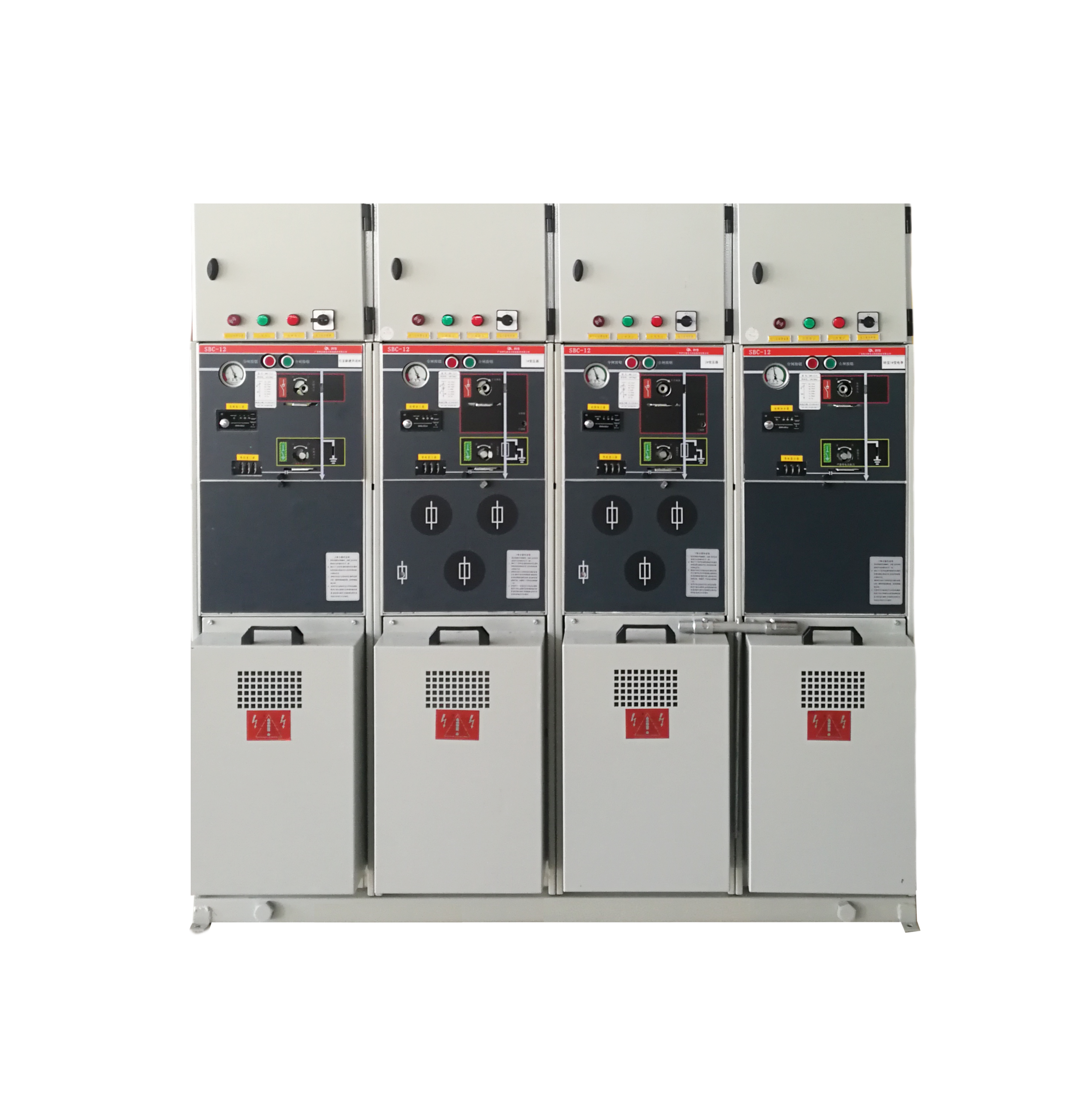
SF6-Free High Voltage Switchgear: Sustainable Alternatives Driving Regulatory Compliance
Regulatory and Environmental Drivers Behind the SF6 Phaseout
Regulations around the world are pushing companies away from using sulfur hexafluoride (SF6) in their electrical systems because this gas is really bad for the planet. We're talking about something that warms the atmosphere 23,500 times more than regular carbon dioxide. The European Union just updated its F-Gas rules and wants all new high voltage equipment to stop using SF6 completely by 2030. And guess what? Over fifteen other countries are working on similar laws too. This regulatory push matches what many corporations have been saying about going green. About eight out of ten utility companies are already looking at alternatives to SF6 so they don't get hit with those massive fines when they break the rules (some folks say as much as $740k per incident according to Ponemon Institute research from last year). Just think about it environmentally speaking one single ton of leaked SF6 creates as much pollution as fifty cars would produce in a whole year. That makes finding eco friendly switchgear solutions absolutely critical for anyone running power grids who actually cares about reducing their impact on climate change.
Solid-Insulated and Clean-Air Dielectric Technologies in Modern High Voltage Switchgear
Two proven, commercially deployed technologies eliminate SF6 without compromising performance:
| Technology | Key Components | Voltage Range | Environmental Benefit |
|---|---|---|---|
| Solid-Insulated | Epoxy-resin barriers | Up to 145 kV | Zero global warming potential |
| Clean-Air Dielectric | Dry air/fluoroketone blends | Up to 420 kV | 99% lower GWP than SF6 |
In solid insulated systems, conductors are completely wrapped in vacuum cast polymer material. This design gets rid of any chance of gas leaks and can handle fault currents over 40 kiloamperes. For clean air alternatives, manufacturers mix regular atmospheric gases with something called fluoroketones. These mixtures create strong insulation properties needed for extremely high voltage applications, allowing equipment to operate reliably even at voltages as high as 420 kV. When companies switch to these clean air systems instead of traditional ones based on SF6 gas, they typically save around 200 tons worth of carbon equivalent emissions each year. The financial benefits are also significant since both approaches cut down on maintenance expenses across their entire lifespan by approximately 30%. This happens because there's no need for complicated gas management tasks like constant leak checks or recovering spent SF6 gas which saves time and money in the long run.
Real-World Deployment in Urban European Grids
Across Europe, major cities are putting SF6-free switchgear through its paces in real world settings where space is tight and demands are high. Take London for instance. The city has implemented Blue GIS technology which combines fluoroketone with air to power essential substations throughout the financial district's 132 kV grid. What makes this interesting? They've managed to eliminate all SF6 emissions without any disruptions to service at all. Meanwhile in Berlin, local authorities have installed AirPlus systems that satisfy the stringent TA Luft regulations in Germany. These setups not only comply with environmental standards but also cut down on substation space needs by nearly half. Both projects handle impressive load densities exceeding 500 MW per square kilometer. Looking at the bigger picture, operators estimate around $1.2 million in total savings over 20 years from these sites alone. That figure comes from several factors including escaping carbon tax penalties, spending less on maintenance work, and getting more mileage out of equipment before replacement becomes necessary.
Digitalized High Voltage Switchgear: Enabling Predictive Maintenance and Grid Resilience
The Cost of Failure: How Unplanned Outages Accelerate Digital Adoption
The average cost of unplanned outages for utility companies runs around $740k each time according to the Ponemon Institute report from last year. That number includes everything from fixing what broke down to paying penalties, compensating customers who lost power, and dealing with all the money they miss out on during service interruptions. Old equipment continues to be one of the main reasons we see these kinds of chain reaction failures happening across different industries, putting both business operations and community safety at risk. For this reason, many companies aren't just considering predictive technologies anymore; they're investing heavily in them. These systems can cut maintenance spending by roughly 25 to 30 percent when compared to traditional approaches where problems are fixed after they occur. Plus, they help reduce unexpected shutdowns by almost half in some cases. Across the sector, there's been a noticeable shift toward installing smart switches equipped with sensors that collect real time data. This helps ensure grid stability while meeting increasingly strict requirements for system resilience set by regulators.
IoT Sensors, Edge Analytics, and Digital Twins in High Voltage Switchgear Systems
Today's high voltage switchgear comes packed with IoT sensors that keep tabs on all sorts of parameters including temperature changes, partial discharge events, mechanical wear spots, and even gas density levels when not using SF6 systems. These edge analytics crunch the numbers right there at the equipment itself, which means anomalies get spotted almost instantly and real time tripping decisions happen without waiting for slow cloud processing. Digital twins are another game changer here too. They basically build virtual copies of actual equipment based on real physics principles. Maintenance crews can run simulations showing how heat builds up, where faults might spread, or how loads redistribute across the system long before anything goes live. Then they adjust their maintenance plans according to what these models predict about component wear over time. The result? Equipment lasts roughly 40% longer in most cases, faults get cleared about 40% faster than traditional methods, and grids become much tougher against everything from physical damage to cyber attacks.
Compact Gas-Insulated Switchgear (GIS) for Urban Grids and Grid-Enhancing Technologies
Space-Efficient GIS Adoption Trends in Land-Constrained Cities
GIS as an Enabler for Dynamic Line Rating and Adaptive Protection Schemes
Today's GIS platforms do much more than just manage space efficiently they actually form the foundation for grid enhancement tech known as GETs. These systems come equipped with sealed compartments ready for sensors, making it easy to install those little IoT gadgets that collect detailed operational data needed for dynamic line rating (DLR) systems. When these DLR systems combine live conductor temps with current weather conditions and wind speeds, they can boost transmission capacity anywhere between 15 to maybe even 30 percent without needing any new land rights or extra equipment. Another big plus is how GIS supports smart protection mechanisms too. The relays adjust themselves automatically whenever there are changes in network layout like when feeders get reconfigured or DER islands pop up somewhere unexpected. This cuts down on fault clearing times significantly compared to old static systems probably around 40% give or take depending on circumstances. What we see happening here is GIS transforming itself from something that just contains equipment into a real workhorse that helps maintain grid stability while opening doors for renewable energy sources to integrate smoothly.
FAQ
Why is SF6 being phased out in electrical systems?
SF6 is being phased out due to its extremely high global warming potential, which is 23,500 times greater than carbon dioxide. Regulations are pushing for more sustainable alternatives to prevent environmental harm.
What technologies are replacing SF6 in high voltage switchgear?
Two key technologies replacing SF6 are solid-insulated systems and clean-air dielectric systems, both of which have significantly lower environmental impacts.
How do predictive maintenance systems benefit utility companies?
Predictive maintenance systems reduce maintenance costs by 25 to 30 percent and help avoid unexpected shutdowns, thereby improving grid reliability and operational efficiency.
What role does GIS play in modern electrical grids?
GIS helps manage space efficiently, supports dynamic line rating, and enables smart protection schemes, enhancing grid stability and adaptability, especially in urban settings.