EN
EN



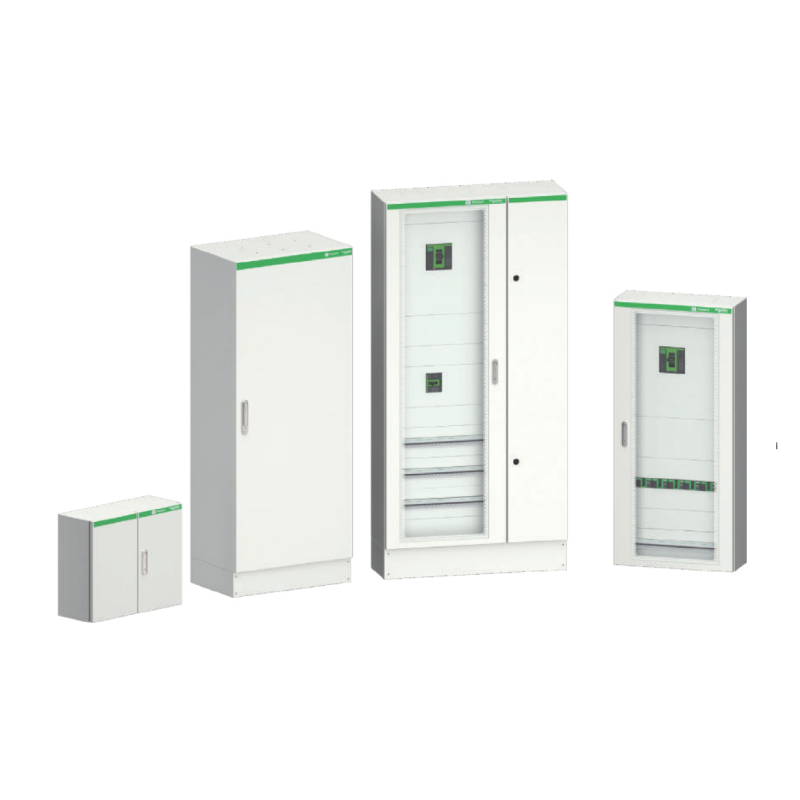
Core Design Innovations in Low Voltage Switchgear for Energy Savings
High-Efficiency Materials and Compact Busbar Systems Reducing I²R Losses
Low voltage switchgear today fights resistive losses using better conductive materials and smarter design shapes. Take copper-silver composite busbars for example they conduct electricity about 15 percent better than regular aluminum ones, which means less heat builds up from resistance right where it matters most. When combined with those compact flat bar setups that maximize surface area relative to volume, these modern systems can pack in around 30% more current density. What does this all mean? Less annoying eddy currents running wild, panels that take up less space on the wall, and actual field tests show operating temps drop between 18 and 22 degrees Celsius compared to old school designs. The lower temperatures cut down on cooling requirements too, so components just last longer before needing replacement.
Advanced Thermal Management and Harmonic Filtering for Sustained Efficiency
Smart thermal management systems work by placing sensors throughout buildings to spot hot spots as they happen. When these sensors detect rising temperatures, the system kicks in ventilation or turns on forced air cooling just when it's actually needed. At the same time, special filters built into the electrical system tackle waveform distortions caused by things like LED lights and variable frequency drives used in HVAC equipment. These distortions are a major reason why so much energy gets wasted in commercial buildings. According to power quality assessments, this kind of distortion can eat up around 12% of a building's total energy consumption. By keeping total harmonic distortion under 5% through real time adjustments to neutral currents, these systems stop transformers from having to be downgraded and cut out that 7 to 10% efficiency loss that comes from overheating caused by harmonics. The combination of temperature control and power quality management keeps everything running smoothly no matter what the load demands are, even during those stressful peak usage periods.
Smart Monitoring and Control: IoT-Enabled Low Voltage Switchgear for Real-Time Optimization
Real-Time Load Profiling, Predictive Load Shedding, and Demand Response Integration
Low voltage switchgear connected to IoT systems gathers detailed information about power consumption at the circuit level, which helps create these dynamic load profiles. The technology allows for something called predictive load shedding basically meaning it can spot when there will be sudden increases in demand as much as 15 minutes ahead of time. At those moments, it automatically turns off things that aren't essential such as fancy lights or parts of the heating system that aren't being used much anyway. Connecting this setup with local utility companies' demand response initiatives means buildings can cut down their electricity usage during times when rates are really high. According to research from last year, businesses implementing this kind of smart energy management saw around an 18 percent drop in their bills while still maintaining normal operations. And interestingly enough, the machine learning components keep getting better at making these predictions each passing month, gradually improving their accuracy based on what actually happens.
Seamless BMS/EMS Integration: Lessons from a LEED-Platinum Office Tower
Integration with Building Management Systems (BMS) and Energy Management Systems (EMS) unifies operational intelligence across electrical and mechanical infrastructure. A LEED-Platinum office tower exemplifies its impact:
| System Component | Function | Efficiency Impact |
|---|---|---|
| IoT-Enabled Switchgear | Real-time power quality monitoring | Detected harmonic distortions within 0.5% accuracy |
| BMS Interface | Automated HVAC adjustments | Reduced HVAC energy use by 23% during off-peak hours |
| EMS Coordination | Peak demand forecasting | Cut utility demand charges by $12,000 quarterly |
This interoperability delivered 40% faster fault response times, eliminated manual meter reading, and reduced the building's energy intensity by 31% within two years-exceeding ASHRAE 90.1-2019 benchmarks for commercial buildings.
Adaptive Protection and Digital Intelligence in Modern Low Voltage Switchgear
Digital Trip Units with Self-Adapting Curves for Dynamic Load Matching and Efficiency Preservation
Digital trip units equipped with self adjusting protection curves can tweak their trip points according to what's happening with the load at any given moment. This helps stop those annoying false trips when there are temporary power spikes, all while keeping things safe. When equipment runs at lower capacity levels, which happens often in office buildings and similar spaces, these units dial back their sensitivity just enough so operations don't get interrupted unnecessarily. Maintenance expenses drop significantly as a result too, somewhere around 30 percent according to recent industry data from Electrical Safety Reports published last year.
| Feature | Traditional Units | Digital Self-Adapting Units |
|---|---|---|
| Response to Load Fluctuations | Fixed thresholds | Dynamic curve adjustment |
| Energy Waste from False Trips | High (~15% of incidents) | Minimal (<3%) |
| Maintenance Frequency | Quarterly inspections | Condition-based only |
These systems work by constantly checking harmonic levels and tracking temperature changes over time. This helps stop the build-up of heat damage that would otherwise shorten how long equipment lasts. The precise way they match loads cuts down on those extra safety buffers that waste energy. Facilities relying heavily on HVAC systems see real savings here, with studies showing around 12 to 18 percent less I squared R loss. When linked up with building management or energy management systems, these units can actually predict when to shed loads during expensive peak hours. This kind of smart protection isn't just nice to have it's actually essential for running operations efficiently in today's market.
Commercial-Specific Applications: Maximizing ROI Across Retail, Offices, and Data-Intensive Facilities
Switchgear operating at low voltages actually gives businesses in different industries a good return on investment when their energy management matches what they do day to day. Take retail stores for instance. When managers schedule lighting and HVAC systems based on when customers actually come in, they cut down on energy bills by around 15 to 22 percent. That kind of savings directly boosts their bottom line. Offices benefit too. Real time monitoring lets them spread electrical load evenly throughout different departments and floors. This prevents circuits from blowing out during busy periods and cuts wasted energy sitting idle by as much as 30%. Data centers need this stuff even more. The ability to isolate faults within milliseconds keeps operations running without interruption. A single downtime incident could cost upwards of $740k according to some studies from 2023. Plus, special filters protect expensive computer equipment from weird voltage fluctuations. Across all these scenarios, efficient energy use stops being just something companies have to do because regulations say so. Instead, it becomes a real money maker that builds business resilience against unexpected costs and protects revenue streams.
FAQ
Q: What are the benefits of using copper-silver composite busbars in low voltage switchgear?
A: Copper-silver composite busbars conduct electricity about 15% better than aluminum ones, reducing resistance and heat buildup, which results in lower operating temperatures and longer-lasting components.
Q: How do smart thermal management systems contribute to energy savings?
A: Smart thermal management systems use sensors to detect hot spots and activate ventilation only when necessary, along with harmonic filtering to reduce energy waste caused by waveform distortions.
Q: What is predictive load shedding in IoT-enabled switchgear?
A: Predictive load shedding involves using IoT systems to anticipate power demand surges and automatically switch off non-essential loads to optimize energy use and reduce costs during peak periods.
Q: How does seamless BMS/EMS integration enhance efficiency in commercial buildings?
A: Integration with BMS and EMS allows for real-time monitoring and adjustments, resulting in reduced energy use, lower demand charges, and improved fault response times.
Q: What advantages do digital trip units with self-adapting curves offer?
A: Digital trip units adjust their sensitivity dynamically to prevent false trips during temporary power spikes, reducing maintenance needs and ensuring efficient power usage in various load conditions.
Table of Contents
- Core Design Innovations in Low Voltage Switchgear for Energy Savings
- Smart Monitoring and Control: IoT-Enabled Low Voltage Switchgear for Real-Time Optimization
- Adaptive Protection and Digital Intelligence in Modern Low Voltage Switchgear
- Commercial-Specific Applications: Maximizing ROI Across Retail, Offices, and Data-Intensive Facilities