EN
EN


The Physics of Power Loss and Why Medium Voltage Switchgear Is Central to Minimization
I²R Losses Explained: How Higher Voltage Distribution Lowers Current and Cuts Resistive Losses
When electricity travels through wires, most of the loss happens because of heat generated by resistance in the conductor, following what we call Joule's Law (P_loss equals I squared times R). The interesting thing here is how power loss relates to current - when current drops just a little bit, efficiency jumps quite a lot. That's one reason why many systems now distribute power at medium voltages between 1 and 36 kilovolts rather than sticking with low voltage levels. At these higher voltages, the same amount of power can move through cables with much less current flowing. If someone halves the voltage, current actually doubles, but if they double the voltage, current gets cut in half. This simple change reduces those pesky I squared R losses by around three quarters when using the same size conductors. No wonder medium voltage equipment forms the backbone of most efficient industrial and commercial power distribution setups. These systems keep delivering stable high voltage over long distances without generating so much wasted heat. Today's modern switchgear includes things like copper busbars with excellent conductivity and contacts plated with silver to fight resistance wherever possible. All these improvements help cut down on unnecessary energy waste that typically drains about seven hundred forty thousand dollars each year from average facilities according to research published by Ponemon Institute back in 2023.
Medium Voltage Switchgear as the Strategic Control Node Between Substation and End Load
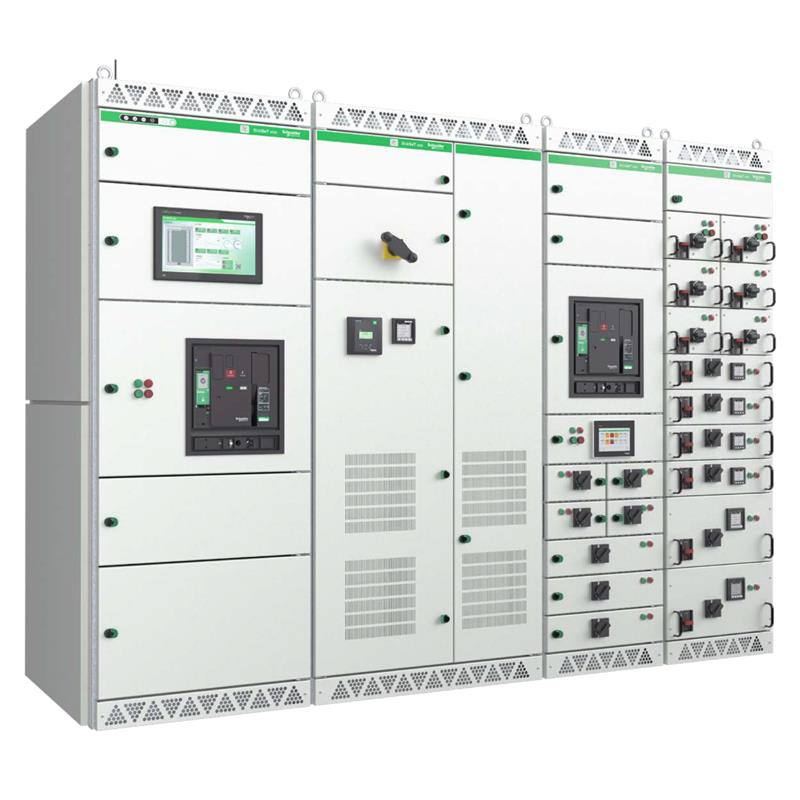
Medium voltage switchgear sits right between those big high voltage substations and whatever equipment needs power at the end of the line. These aren't just simple connectors though they actually manage how electricity flows through the system. The various components inside including circuit breakers, relays, and all sorts of sensors constantly check what's happening with the load, spot any problems early, and then redirect power where it's needed most efficiently. When something goes wrong, these systems can isolate faults incredibly fast, often within milliseconds, which stops bigger issues from developing and protects both equipment and overall energy efficiency. Take gas insulated systems (GIS) as an example. They handle leakage currents and those pesky partial discharges much better than older air insulated versions, cutting down on those annoying phantom losses we all pay for. The International Energy Agency tells us that even a small 1% improvement in reducing electrical losses worldwide translates into saving around 87 terawatt hours each year. What makes medium voltage switchgear so valuable is how it brings together protection mechanisms, measurement capabilities, and smart controls all in one package, delivering real improvements across entire power systems from where electricity enters the grid right down to individual devices.
Key Medium Voltage Switchgear Components That Directly Improve Efficiency
Optimized Busbars and Contact Materials: Reducing Joule Heating Through Conductivity and Surface Engineering
Copper and aluminum busbars with high conductivity serve as the main pathway for electrical current, and how they're designed has a big impact on those pesky I²R losses we all try to avoid. When silver is applied to connection points, it cuts down contact resistance by around 15% over regular uncoated connections. This means less heat buildup at those spots and better temperature control when systems run continuously. The numbers tell an interesting story too. Cutting just 1% from total busbar resistance can save about $740,000 each year at a medium sized substation according to research from Ponemon Institute back in 2023. Looking ahead, there are some exciting developments happening in this space. Manufacturers are working on special alloys that conduct electricity almost as well as pure copper (around 98% IACS rating), applying protective coatings to stop oxidation from creating dangerous hot spots, and redesigning shapes so they handle more current without taking up extra space on equipment panels.
Insulation Systems (GIS vs. AIS): Impact on Leakage Currents, Partial Discharge, and Thermal Stability
Gas Insulated Switchgear, commonly known as GIS, works by enclosing all live parts within pressurized SF6 gas or newer SF6-free options. This setup basically stops those annoying surface leakage currents and cuts down on partial discharges by around 90 percent when compared to traditional Air Insulated Systems. The way it contains everything means the electrical properties stay stable even when temperatures climb past 40 degrees Celsius. Another big plus is space savings - GIS takes up about 70% less room than regular systems. Plus, these units have really low leakage rates, under 0.005% each year. Regular Air Insulated equipment tends to lose efficiency though, dropping somewhere between 8 to 12% every year in damp or dirty conditions because of surface tracking issues and water getting absorbed into components. All these factors explain why GIS stands out so much in situations where we need reliable operation combined with small footprint requirements while still saving energy over time.
Intelligent Protection and Coordination Strategies Enabled by Modern Medium Voltage Switchgear
Selective Coordination: Aligning Time-Current Curves to Prevent Cascading Outages and Energy Waste
When selective coordination works properly, electrical faults get isolated right at their source instead of causing problems throughout the system. This keeps power running smoothly on circuits that aren't affected by whatever went wrong. The trick lies in matching those time current curves between different protective devices like circuit breakers and fuses. Modern medium voltage equipment does this better than older systems, so when something goes haywire, the disruption stays contained rather than wasting energy and shutting down entire operations. Think about it: according to the Ponemon Institute report from last year, uncontrolled electrical issues can lead to massive financial hits averaging around $740,000 each time they happen. But companies that invest in proper coordination strategies typically see their costs drop by somewhere between 40 to 60 percent, all while keeping essential services online during maintenance or repairs.
Digital Relays and AI-Assisted Settings: Minimizing Nuisance Tripping and Maintaining Continuous, Efficient Flow
Modern digital protective relays are taking over from old school electromechanical ones because they come packed with real time analysis features, adjustable settings that adapt as needed, plus smart self calibration capabilities. These new systems look at past faults combined with machine learning techniques to tell the difference between temporary glitches and actual problems, which cuts down on those annoying false trips by around 80 percent according to field tests. When there's less frequent interruptions happening, equipment doesn't have to keep restarting so often, meaning less wear and tear from all that heating and cooling cycles, plus electricity just keeps flowing smoothly without hiccups. The continuous monitoring aspect catches issues like insulation starting to break down or contacts getting worse before they become big problems, allowing maintenance teams to fix things proactively rather than waiting for failures. Companies report better overall system performance, longer lasting equipment, and plenty of money saved both through lower energy bills and avoiding costly downtime incidents across their operations.
FAQ
What are I²R losses, and how can they be minimized?
I²R losses refer to power loss due to heat generated by electrical resistance, following Joule's Law. They can be minimized by distributing power at higher voltages, which lowers the current, thereby reducing resistive losses significantly.
Why is medium voltage switchgear important in power distribution?
Medium voltage switchgear acts as a control node between high voltage substations and end equipment, effectively managing power flow and isolating faults quickly to enhance equipment protection and energy efficiency.
What advantages do Gas Insulated Switchgear (GIS) offer over Air Insulated Systems (AIS)?
GIS offers better management of leakage currents and partial discharges, maintains thermal stability, saves space, and has lower annual leakage rates compared to AIS, making it more efficient and reliable.
How do modern digital relays improve power system performance?
Modern digital relays minimize nuisance tripping by using real-time analysis and machine learning to differentiate between glitches and actual faults, thus maintaining a continuous and efficient power flow and reducing downtime.