EN
EN



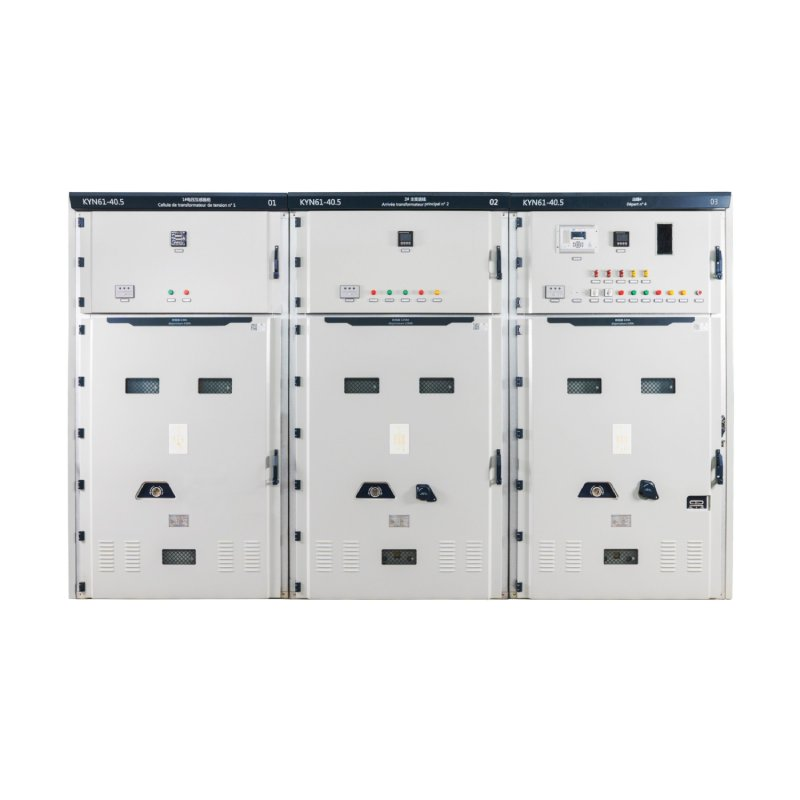
What Is Low Voltage Switchgear and Why It Matters in Modern Power Systems
Low voltage switchgear, or LVS for short, basically consists of electrical parts working within certain voltage limits - typically below 1,000 volts AC or 1,500 volts DC. These systems protect power networks in several key ways. First they guard against things like overloads and short circuits. Second they allow safe isolation when maintenance is needed. And third they help control how energy flows through the system. What used to be just simple switching equipment has changed quite a bit lately. Today's power grids really rely on good quality LVS to handle all sorts of complications from adding renewable sources. Wind farms and solar panels produce electricity in unpredictable ways across many different locations. This creates challenges for keeping everything balanced and responding quickly when something goes wrong on the grid. If we don't have strong low voltage switchgear in place, problems like sudden voltage changes or faults spreading throughout the network can lead to damaged equipment, lost services, and even bigger issues affecting entire regions.
Distributed energy resources are changing the game for low voltage switchgear (LVS). When facilities generate their own power alongside traditional grid supply, they need exact timing and control, particularly when switching between modes or reconnecting after an outage. Modern switchgear makes these transitions possible without letting dangerous electricity flow back into circuits that should be off. Industrial engineers know this well - picking the right LVS isn't just about specs on paper. It's absolutely critical for keeping operations running smoothly day after day. According to a study published in Energy Systems Journal last year, plants with properly certified equipment saw almost half as many electrical problems compared to those without. With manufacturing plants, data centers, and smart buildings all ramping up their reliance on electricity, good quality low voltage switchgear has become essential for managing power safely and growing infrastructure without compromising reliability.
| Function | Impact on System Reliability | Renewable Integration Role |
|---|---|---|
| Fault Protection | Prevents cascade failures | Shields inverters from grid anomalies |
| Circuit Isolation | Enables safe maintenance | Facilitates microgrid islanding |
| Load Control | Balances energy distribution | Manages intermittent generation peaks |
Key Components and Technical Specifications of Low Voltage Switchgear
Circuit Breakers, Busbars, and Protection Relays
The core components of low voltage switchgear include circuit breakers, busbars, and protection relays. When there's an overload or short circuit happens, circuit breakers kick in almost instantly to stop fault currents from causing damage to equipment and keeping workers safe. Most installations use either copper or aluminum for their busbars since these materials conduct electricity well while generating less heat over time even when carrying heavy loads for extended periods. Protection relays work behind the scenes monitoring all sorts of electrical parameters like current levels, voltage fluctuations, frequency changes, and harmonic distortions. If anything goes outside normal ranges based on factory settings, these relays send signals to trip the system before serious problems occur. All these parts working together create a dependable setup that handles voltages safely up to around 1,000 volts AC in industrial applications.
IEC 61439 vs. UL 845 Standards: What Engineers Must Know
Meeting local regulations simply has to happen when designing and putting together Low Voltage Switchgear systems. Take IEC 61439 for instance, which stands as the go-to standard worldwide. This standard demands thorough testing during design verification processes. Think temperature rise checks, ability to handle short circuits, and proper insulation setup between components. Then there's UL 845, something most folks in North America stick to religiously. This one focuses heavily on how safe the physical construction is, what measures are taken against dangerous arcs, and whether enclosures hold up under stress conditions, especially important stuff for those motor control center installations. The differences between these standards matter quite a bit in practice.
- IEC 61439 mandates certified design verification reports; UL 845 relies more heavily on factory inspections and production-line testing
- UL 845 enforces stricter arc-containment requirements for enclosures
- IEC 61439 defines functional units with greater granularity, supporting modular interoperability
For multinational projects, reconciling both standards early avoids costly redesigns or field retrofits.
Selecting the Right Low Voltage Switchgear for Your Application
Matching Load Profiles, Short-Circuit Ratings, and Environmental Conditions
Getting accurate load profiles should really be the starting point for any project. Make sure to list every piece of equipment connected to the system including things like motors, lights, heating ventilation systems, and whatever else makes up the process loads. Don't forget to note down their power ratings, how often they run, and when they hit peak demand times. When calculating what kind of maximum demand we're looking at, apply those standard demand factors between 0.7 and 0.9 plus account for diversity among different loads. Most experienced engineers will tell you to leave around 20 to 30 percent extra capacity just in case there's expansion needed later on. Another thing worth checking? The switchgear needs to handle short circuits better than whatever fault current exists at the site. Heavy industries might see currents as high as 65 kiloamperes according to recent studies from IEEE folks in 2023. Environmental factors matter too. If working in areas with corrosive air, go for stainless steel parts or ones coated with epoxy. Places where humidity stays above 85% or locations over 1,000 meters elevation need special handling. Equipment must perform at reduced levels under these conditions and come with proper enclosures rated IP55 minimum.
Modular vs. Fixed Design: Scalability and Maintenance Trade-Offs
The fixed design switchgear comes with cheaper upfront costs and straightforward operation when dealing with steady, predictable electrical loads. But here's the catch it doesn't adapt well to changing requirements. When capacity needs grow, most times the whole system has to be replaced which really adds up over time in terms of total ownership costs. Modular systems take a different approach using standard plug-and-play components that can expand incrementally as needed. Industry data from 2024 suggests these modular setups cut upgrade expenses by around 40%. Plus they enable maintenance work while power remains on thanks to isolation features built right into the design, so there's less downtime overall. On the flip side though, going modular means paying about 15 to 25 percent more initially and making sure staff gets proper training on arc flash safety procedures. For industrial sites expecting fluctuations in demand, wanting to integrate automation systems, or planning staged electrical expansions, modular architecture generally makes better financial sense in the long run. Just need to make sure all those components fit together properly and speak the same digital language so retrofitting down the road isn't another headache waiting to happen.
Installation, Commissioning, and Lifecycle Best Practices
Getting the installation right forms the basis for safe and dependable operation of low voltage switchgear systems. When mounting equipment, stick closely to what the manufacturer specifies regarding proper alignment, grounding practices, and environmental factors such as room temperature, airflow around the unit, and any specific needs related to potential seismic activity in the area. Make sure there's enough space around the gear for proper cooling, easy access during maintenance checks, and meeting those important arc flash safety boundaries. Don't forget to tighten all those busbar connections exactly according to the specs provided. Loosening here can lead to serious problems down the road since improperly tightened joints rank among the top reasons we see thermal failures occur in these systems.
When commissioning equipment, what we're really doing is turning raw hardware into something that works reliably in real world conditions. Start with primary injection testing to see if those circuit breakers actually trip when they should during faults that mimic real problems. Then move on to secondary injection tests which check whether relays respond correctly, time properly, and communicate as expected between components. Don't forget to physically test things too mechanical interlocks need checking, make sure doors open and close in the right order, and verify that emergency stops work exactly as designed. Keep detailed records of everything tested because these documents become our reference point later on. They help diagnose issues down the road and are essential when validating warranties against manufacturer claims.
Lifecycle management extends well beyond routine checks. Adopt this evidence-based maintenance framework:
- Perform infrared thermography scans annually to identify loose connections, unbalanced loading, or harmonic heating
- Test insulation resistance biannually to assess dielectric health and detect moisture ingress or contamination
- Update protective relay firmware and logic during planned outages—aligning with latest cybersecurity and coordination requirements
- Replace electromechanical components showing signs of wear (e.g., contact erosion, spring fatigue) before failure occurs
Finally, invest in targeted training for operations teams—not just on procedures, but on interpreting diagnostic indicators (e.g., trip log anomalies, thermal trends) and executing safe emergency responses. This integrated approach maximizes equipment lifespan, minimizes unplanned downtime, and reinforces system resilience across industrial power distribution networks.
FAQ
What is low voltage switchgear used for?
Low voltage switchgear is used to protect power networks by guarding against overloads and short circuits, allowing safe isolation for maintenance, and controlling energy flows within the system.
Why is quality low voltage switchgear important for renewable energy integration?
Quality low voltage switchgear is crucial for renewable energy integration because it helps manage the unpredictable electricity production from sources like wind farms and solar panels, ensuring system balance and quick response to grid issues.
What are the key components of low voltage switchgear?
The key components include circuit breakers, busbars, and protection relays. These components work together to safely manage and control voltage within industrial applications.
What are the main differences between IEC 61439 and UL 845 standards?
IEC 61439 focuses on certified design verification reports and modular interoperability, while UL 845 emphasizes factory inspections, arc-containment requirements, and safe enclosure construction.
How do you select the right low voltage switchgear for an application?
Selection involves matching load profiles, short-circuit ratings, and considering environmental conditions. Engineers should also assess whether fixed or modular designs best suit their needs for scalability and maintenance.
Table of Contents
- What Is Low Voltage Switchgear and Why It Matters in Modern Power Systems
- Key Components and Technical Specifications of Low Voltage Switchgear
- Selecting the Right Low Voltage Switchgear for Your Application
- Installation, Commissioning, and Lifecycle Best Practices
-
FAQ
- What is low voltage switchgear used for?
- Why is quality low voltage switchgear important for renewable energy integration?
- What are the key components of low voltage switchgear?
- What are the main differences between IEC 61439 and UL 845 standards?
- How do you select the right low voltage switchgear for an application?