EN
EN



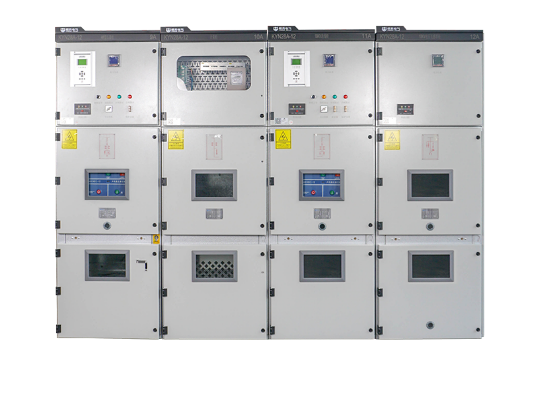
শহুরে স্থান ও লোড সীমাবদ্ধতা মাধ্যমিক ভোল্টেজ সুইচগিয়ার নির্বাচনকে প্রভাবিত করে
শহরগুলিতে লোড ঘনত্ব বৃদ্ধি এবং সাবস্টেশনের জমি ব্যবহারের সীমাবদ্ধতা
মানুষের শহরে চলে যাওয়ার বৃদ্ধি পাওয়া প্রবণতা প্রধান মহানগরীগুলিতে বিদ্যুৎ চাহিদার বিপুল বৃদ্ধি ঘটিয়েছে। গত বছরের আন্তর্জাতিক শক্তি সংস্থার প্রতিবেদন অনুযায়ী, এই ঘনবসতিপূর্ণ অঞ্চলগুলিতে প্রতি বছর প্রায় ৫ থেকে ৮ শতাংশ বেশি বিদ্যুৎ প্রয়োজন হচ্ছে। এটি পুরনো অবকাঠামো ব্যবস্থাগুলির উপর বিপুল চাপ সৃষ্টি করছে, যেগুলি এত ভারী ব্যবহারের জন্য কখনও ডিজাইন করা হয়নি। একই সময়ে, নতুন সাবস্টেশন স্থাপনের জন্য জায়গা খুঁজে পাওয়া ক্রমশ কঠিন হয়ে উঠছে, কারণ জমির দাম ধারাবাহিকভাবে বৃদ্ধি পাচ্ছে এবং স্থানীয় সরকারগুলি কোথায় কী ধরনের গঠন কাজ করা যাবে তা নিয়ন্ত্রণ করছে। উদাহরণস্বরূপ, ঐতিহ্যগত বায়ু-অন্তরিত সুইচগিয়ার (air insulated switchgear) নিয়ে ভাবুন। এই বড় ইনস্টলেশনগুলির চারপাশে প্রচুর জায়গা প্রয়োজন—কখনও কখনও উপাদানগুলির মধ্যে দশ মিটারেরও বেশি দূরত্ব প্রয়োজন। যখন প্রতি বর্গমিটার জমির দাম পাঁচশো ডলার বা তার বেশি হয়ে যায়, তখন এটি আর কার্যকর হয় না। ফলে অধিকাংশ ইউটিলিটি কোম্পানি গ্যাস-অন্তরিত (gas insulated) এবং কঠিন-অন্তরিত (solid insulated) সিস্টেমের মতো ছোট বিকল্পগুলির দিকে ঝুঁকছে, যা প্রয়োজনীয় জায়গার প্রায় দুই-তৃতীয়াংশ বাঁচায়। এটি একটি বিশাল পার্থক্য তৈরি করে, কারণ নতুন অঞ্চলে প্রসারিত হওয়া মানে অতিরিক্ত জমির জন্য অত্যধিক অর্থ প্রদান করা। একটি ভালো কেস স্টাডি হল টোকিওর শিনাগাওয়া সাবস্টেশন, যা GIS প্রযুক্তিতে রূপান্তরিত হয়ে কোনো অতিরিক্ত জমি ক্রয় না করেই তার ক্ষমতা দ্বিগুণ করেছিল। তারা শুধুমাত্র প্রসারণ প্রকল্পের জন্য প্রায় বিশ মিলিয়ন ডলার সাশ্রয় করেছিল। এবং যেহেতু আমাদের শহরগুলি ক্রমাগত সীমিত স্থানে আরও বেশি মানুষকে সংকুলিত করছে, তাই অতিরিক্ত বৈদ্যুতিক লোড পরিচালনা করার সময় অতিরিক্ত জায়গা না নেওয়ার উপায় খুঁজে পাওয়া আজকের আধুনিক বিদ্যুৎ গ্রিড অপারেটরদের সামনে সবচেয়ে বড় চ্যালেঞ্জগুলির মধ্যে একটি হয়ে উঠেছে।
কীভাবে শহুরে গ্রিডের বৈশিষ্ট্যগুলি মাঝারি ভোল্টেজ সুইচগিয়ারের ফর্ম ফ্যাক্টর এবং একীভূতকরণের প্রয়োজনীয়তা নির্ধারণ করে
ভূগর্ভস্থ কেবল নেটওয়ার্ক, উচ্চ ত্রুটি কারেন্ট (>২৫ কেএ), এবং জনস্থানের কাছাকাছি অবস্থান—এই তিনটি কারণে শহুরে সুইচগিয়ারের বিশেষ বিশেষাকার প্রয়োজন হয়। ফর্ম ফ্যাক্টরগুলি বেসমেন্ট ভল্ট এবং সংকীর্ণ করিডরে স্থাপনের জন্য উপযুক্ত করার লক্ষ্যে উথান-গভীরতা (<১.৫ মি) এবং সামনে থেকে রক্ষণাবেক্ষণযোগ্য মডুলার ডিজাইনের দিকে বিকশিত হচ্ছে। একীভূতকরণের প্রয়োজনীয়তাগুলির মধ্যে রয়েছে:
| শহুরে বাধা | সুইচগিয়ার অভিযোজন |
|---|---|
| সীমিত স্থাপন প্রবেশাধিকার | শূন্য পিছনের পরিষ্কার দূরত্ব সহ সামনে কাজ করা যায় এমন যান্ত্রিক ব্যবস্থা |
| যানবাহন থেকে কম্পন | ভূকম্প-মূল্যায়িত সাপোর্ট এবং গ্যাস-সিল করা কম্পার্টমেন্ট |
| জনসাধারণের নিরাপত্তা বাধ্যতামূলক | আর্ক-ফ্ল্যাশ ধারণ <৭ ক্যাল/বর্গ সেমি |
এছাড়াও, সুইচগিয়ারগুলির অবশ্যই এম্বেডেড সেন্সর এবং IEC 61850 যোগাযোগ প্রোটোকলের মাধ্যমে স্মার্ট গ্রিড সিস্টেমগুলির সাথে ইন্টারফেস করতে হবে, যা SCADA-এর মাধ্যমে দূরবর্তী ডায়াগনস্টিক্স সক্ষম করে এবং জনবহুল এলাকাগুলিতে হস্তকৃত হস্তক্ষেপ কমিয়ে দেয়। স্থানিক দক্ষতা এবং ডিজিটাল প্রস্তুতির এই একত্রীকরণ মধ্যম ভোল্টেজ সুইচগিয়ারকে শহুরে গ্রিড আধুনিকীকরণের একটি মূল উপাদান করে তোলে।
GIS, AIS এবং SIS: শহুরে প্রয়োগের জন্য মধ্যম ভোল্টেজ সুইচগিয়ার প্রযুক্তিগুলির তুলনা
বিশ্বস্ততা, নিরাপত্তা এবং স্থানিক দক্ষতা: একটি প্রতিযোগিতামূলক তুলনা
শহরগুলিতে বিদ্যুৎ সরবরাহ ব্যবস্থার জন্য এমন সুইচগিয়ার সমাধানের প্রয়োজন হয় যা নির্ভরযোগ্য কার্যকারিতা, কর্মীদের নিরাপত্তা এবং সীমিত স্থানের দক্ষ ব্যবহার—এই তিনটি বিষয়ের মধ্যে ভালো ভারসাম্য বজায় রাখে। বায়ু-অন্তরিত সুইচগিয়ারে অন্তরণ হিসেবে সাধারণ বায়ু ব্যবহার করা হয়, ফলে সাবস্টেশনগুলির চারপাশে যথেষ্ট স্থান রাখা আবশ্যিক যাতে প্রয়োজনীয় নিরাপত্তা দূরত্ব বজায় থাকে। বিকল্প হলো গ্যাস-অন্তরিত সুইচগিয়ার, যেখানে সমস্ত উপাদান সালফার হেক্সাফ্লুরাইড (SF₆) গ্যাসে ভর্তি পাত্রের মধ্যে স্থাপন করা হয়; এটি শহরের কেন্দ্রস্থলে বা ঘনবসতিপূর্ণ এলাকায় অত্যন্ত সংকুচিত ইনস্টলেশন সম্ভব করে তোলে। এছাড়াও এপক্সি রেজিন উপাদান ব্যবহার করে তৈরি করা কঠিন-অন্তরিত সুইচগিয়ার রয়েছে, যা পরিবেশগতভাবে বেশ বন্ধুত্বপূর্ণ, তবে এটি গ্যাস-ভিত্তিক সংস্করণের মতো স্থান বাঁচাতে পারে না। আধুনিক বৈদ্যুতিক অবকাঠামো প্রকল্প পরিকল্পনা করার সময় এই বিভিন্ন বিকল্পগুলির প্রত্যেকটির নিজস্ব সেট সমন্বয় ও সমঝোতার বিষয় রয়েছে।
| প্রযুক্তি | পরিচালক মাধ্যম | পদচিহ্ন | নির্ভরযোগ্যতার ফ্যাক্টর | জন্য সেরা |
|---|---|---|---|---|
| AIS | বায়ু | বড় | মাঝারি | ឧustral অঞ্চল |
| GIS | এসএফ৬ গ্যাস | ঘন | উচ্চ | শহুরে কেন্দ্র/সুড়ঙ্গ |
| এসআইএস | ইপোক্সি রজন | মাঝারি | উচ্চ | পরিবেশগত দৃষ্টিকোণ থেকে সংবেদনশীল এলাকা |
GIS এর তুলনায় AIS এর স্থান প্রয়োজন ৭০% কমিয়ে দেয়, যখন উচ্চমানের আর্ক-ফল্ট সুরক্ষা বজায় রাখে। সাম্প্রতিক সাবস্টেশন ডিজাইন গবেষণাগুলি নিশ্চিত করেছে যে GIS ঘন জনবসতিপূর্ণ পরিবেশে ৯৯.৮% কার্যকরী নির্ভরযোগ্যতা অর্জন করে, যেখানে বিদ্যুৎ বিচ্ছিন্নতার কারণে প্রতি ঘণ্টায় ৭৪০,০০০ মার্কিন ডলার ক্ষতি হয় (পোনেমন, ২০২৩)।
কেন GIS স্থান-সীমিত শহুরে পরিবেশের জন্য মাঝারি ভোল্টেজ সুইচগিয়ার সমাধান হিসেবে শীর্ষস্থানীয়?
গ্যাস ইনসুলেটেড সুইচগিয়ার (GIS) শহরের ইনস্টলেশনের জন্য এখন প্রধান সমাধান হয়ে উঠেছে, কারণ এটি অসাধারণ স্থান সংরক্ষণের ক্ষমতা প্রদান করে এবং নিরাপত্তা নিশ্চিত করে। এই সরঞ্জামগুলি সীল করা SF6 কম্পার্টমেন্ট সহ আসে, যা ধূলিকণা ও আর্দ্রতা ভিতরে প্রবেশ করা থেকে বাধা দেয়; এছাড়াও এগুলি বন্যা, ধূলিঝড় বা এমনকি জানিয়ে-জানিয়ে ক্ষতি—এই সমস্ত পরিস্থিতির মোকাবিলা করতে সক্ষম, যা ভূগর্ভস্থ বা ভবনের গভীর ভিত্তিতে ইনস্টল করার সময় বিশেষভাবে গুরুত্বপূর্ণ। GIS-এর প্রধান বৈশিষ্ট্য হলো এটি ঐতিহ্যবাহী সিস্টেমের তুলনায় আকারে অত্যন্ত ছোট। ফলে প্রকৌশলীরা এটিকে বিদ্যমান কাঠামোর মধ্যে সরাসরি স্থাপন করতে পারেন, নতুন জমি ক্রয়ের প্রয়োজন হয় না, যা শহরের বিদ্যুৎ নেটওয়ার্ক উন্নয়নকে ত্বরান্বিত করে। এছাড়া, এটি SCADA সিস্টেমের সাথে সুসংগতভাবে কাজ করে যার মাধ্যমে দূর থেকে নজরদারি সম্ভব হয়, ফলে সংকীর্ণ বা প্রবেশযোগ্যতা সীমিত স্থানগুলিতে প্রযুক্তিবিদদের নিয়মিত পরিদর্শনের প্রয়োজন হয় না। ভবিষ্যতের দিকে তাকালে, যখন আরও বেশি মানুষ শহরাঞ্চলে চলে আসছেন এবং বিদ্যুৎ চাহিদা ক্রমাগত বৃদ্ধি পাচ্ছে, তখন ২০২৩ সালে IET-এর প্রকাশিত গবেষণা অনুযায়ী GIS অন্যান্য বিকল্পের তুলনায় প্রায় ৪০ শতাংশ দ্রুত ইনস্টল করা যায় এবং সময়ের সাথে সাথে প্রায় ৩০ শতাংশ খরচ সাশ্রয় করা যায়। এই সুবিধাগুলি এটিকে শুধুমাত্র প্রযুক্তিগতভাবে শ্রেষ্ঠ নয়, বরং বৃদ্ধিশীল শহরগুলির জন্য টেকসইভাবে বিদ্যুৎ ক্ষমতা বৃদ্ধি করার ক্ষেত্রে অর্থনৈতিকভাবেও বুদ্ধিমানের মতো বিকল্প করে তোলে।
শহুরে মাঝারি ভোল্টেজ সুইচগিয়ারের জন্য গুরুত্বপূর্ণ পারফরম্যান্স মাপদণ্ড
আর্ক-ফল্ট সুরক্ষা এবং শহুরে অবকাঠামোর নিরাপত্তা মানদণ্ড মেনে চলা
শহরী পরিবেশে ব্যবহৃত সুইচগিয়ারগুলির আর্ক ফল্টের বিরুদ্ধে শক্তিশালী সুরক্ষা প্রয়োজন। আর্ক ফ্ল্যাশ ঘটনার সময় তাপমাত্রা ৩৫,০০০ ডিগ্রি ফারেনহাইটেরও বেশি হতে পারে, যা এই ঘটনাগুলিকে অত্যন্ত বিপজ্জনক করে তোলে—বিশেষত যেখানে অনেক মানুষ বাস করে এবং কাজ করে। আজকের সরঞ্জাম ডিজাইনগুলিতে বিশেষ আর্ক-প্রতিরোধী উপকরণ এবং চাপ মুক্তি ব্যবস্থা অন্তর্ভুক্ত করা হয়েছে, যা প্রকৃতপক্ষে বিস্ফোরণের শক্তিকে কাজের সময় কাছাকাছি থাকা কর্মীদের থেকে দূরে নির্দেশিত করে। IEC 62271-200 এবং IEEE C37.20.7 মানগুলি অনুসরণ করা আর ঐচ্ছিক নয়, বিশেষত যখন আমরা গত বছরের পোনেমন ইনস্টিটিউটের গবেষণা অনুযায়ী এই ঘটনাগুলির প্রতিটির জন্য ব্যবসায়িক প্রতিষ্ঠানগুলির গড়ে $৭৪০,০০০ খরচ হয় তখন। একটি ব্যর্থতা যাতে সমগ্র সিস্টেমে ছড়িয়ে না পড়ে—এই লক্ষ্য অতিক্রম করে, এই ডিজাইন উন্নতিগুলি কোম্পানিগুলিকে শহরী বিদ্যুৎ অবকাঠামো প্রকল্পগুলিতে এতটাই সাধারণ হয়ে উঠা কঠোর নিরাপত্তা বিধিমালা মেনে চলতে সাহায্য করে।
স্মার্ট গ্রিড প্রস্তুতি: SCADA একীকরণ, দূরবর্তী অপারেশন এবং ডিজিটাল মনিটরিং
মাধ্যমিক ভোল্টেজ সুইচগিয়ার অবশ্যই সুপারভিজরি কন্ট্রোল এবং ডেটা অ্যাকুইজিশন (SCADA) সিস্টেমগুলির সাথে নিরবচ্ছিন্ন একীকরণ সক্ষম করতে হবে। IoT সেন্সরের মাধ্যমে বাস্তব-সময় মনিটরিং পূর্বাভাসমূলক রক্ষণাবেক্ষণ সক্ষম করে, যা শহুরে গ্রিডের অকার্যকর সময় ৪৫% পর্যন্ত কমায়। দূরবর্তী অপারেশনের ক্ষমতা গ্রিড পুনর্বিন্যাসের সময় টেকনিশিয়ানদের বিপজ্জনক পরিবেশের সংস্পর্শে আসার ঝুঁকি কমায়। এই গুরুত্বপূর্ণ ইন্টারঅপারেবিলিটি বৈশিষ্ট্যগুলি বিবেচনা করুন:
| সক্ষমতা | শহুরে প্রভাব |
|---|---|
| ডিজিটাল টুইন সমর্থন | অবকাঠামো পরিকল্পনার জন্য লোড পরিস্থিতির অনুকরণ করে |
| IEC 61850 অনুসরণ | মানকৃত যোগাযোগ প্রোটোকল নিশ্চিত করে |
| সাইবার নিরাপত্তা স্তর | গুরুত্বপূর্ণ গ্রিড নিয়ন্ত্রণে অননুমোদিত প্রবেশ রোধ করে |
এই ডিজিটাল অবকাঠামো সুইচগিয়ারকে বুদ্ধিমান গ্রিড নোডে রূপান্তরিত করে, যা শহুরে চূড়ান্ত চাহিদার সময় গতিশীল লোড ব্যবস্থাপনা সক্ষম করে।
উচ্চ-ঘনত্ব শহুরে অ্যাপ্লিকেশনগুলিতে মোট মালিকানা খরচ এবং দীর্ঘমেয়াদী বিশ্বস্ততা
মাঝারি ভোল্টেজ সুইচগিয়ারের বিকল্পগুলি নিয়ে বিবেচনা করা হচ্ছে যখন শহরের ঘনীভূত বিদ্যুৎ জালের কথা ভাবা হচ্ছে, তখন শুধুমাত্র নতুন ক্রয়ের মূল্যটি বিবেচনা করা যথেষ্ট নয়। ইনস্টলেশনের খরচ নিজেই প্রায়শই সুইচগিয়ারের চেয়ে অনেক বেশি হয়ে থাকে—কখনও কখনও লজিস্টিক জটিলতা এবং বিশেষজ্ঞ কর্মীদের প্রয়োজনের কারণে এটি দ্বিগুণ বা ত্রিগুণ পর্যন্ত হতে পারে। শহুরে এলাকাগুলিতে অন্যান্য চ্যালেঞ্জগুলিও বিদ্যমান, যেমন রক্ষণাবেক্ষণের খরচ উপশহরগুলির তুলনায় প্রায় ৩৫ শতাংশ বেশি হয়, যেখানে স্থানের সীমাবদ্ধতা এত বেশি নয়। সময়ের সাথে সাথে কোনো সিস্টেমের নির্ভরযোগ্যতা রক্ষা করা মোট খরচের দিক থেকে অত্যন্ত গুরুত্বপূর্ণ। পোনেমন ইনস্টিটিউটের ২০২৩ সালের গবেষণা অনুসারে, সিস্টেমের গুরুত্বপূর্ণ বিন্দুতে একটি মাত্র ব্যাহতি গড়ে সাত লক্ষ চল্লিশ হাজার ডলার পর্যন্ত বিশাল ক্ষতির কারণ হতে পারে। এই কারণেই বুদ্ধিমান মনিটরিং প্রযুক্তি এত গুরুত্বপূর্ণ—এটি অপারেটরদের সমস্যাগুলি ঘটার আগেই সমাধান করতে সাহায্য করে এবং অপ্রত্যাশিত বন্ধের সংখ্যা অনেক ক্ষেত্রে প্রায় অর্ধেক কমিয়ে দেয়। আজকাল যারা সুইচগিয়ার নির্বাচন করছেন, তাদের জন্য নির্দিষ্ট ডিজাইন বৈশিষ্ট্যগুলি অবশ্যই প্রাথমিক অগ্রাধিকার হওয়া উচিত।
- সহজ মেরামতের জন্য মডুলার উপাদানগুলি
- দূরবর্তী রোগ নির্ণয় ক্ষমতা
- পরিষেবা পরিসর প্রসারিত
২৪/৭ অপারেশন পরিবেশে প্রমাণিত বিশ্বস্ততা চূড়ান্তভাবে কম TCO (মোট মালিকানা খরচ) প্রদান করে, যা ৩০ বছর ব্যাপী জীবনচক্র খরচ বিশ্লেষণে প্রদর্শিত হয়েছে, যেখানে উচ্চ-বিশ্বস্ততাসম্পন্ন মডেলগুলি প্রাথমিক বিনিয়োগ বেশি হওয়া সত্ত্বেও সম্পদ সংক্রান্ত সম্পদ ব্যয়ে ২২% কম দেখায়।
প্রায়শই জিজ্ঞাসিত প্রশ্ন
মাঝারি ভোল্টেজ সুইচগিয়ার কি?
মাঝারি ভোল্টেজ সুইচগিয়ার বলতে শহুরে পরিবেশে বিদ্যুৎ রক্ষণাবেক্ষণ ও বণ্টনের জন্য ব্যবহৃত সিস্টেমগুলিকে বোঝায়, যার মধ্যে বায়ু-অপচ্ছাদিত (AIS), গ্যাস-অপচ্ছাদিত (GIS) এবং কঠিন-অপচ্ছাদিত (SIS) সিস্টেমগুলির মতো বিকল্পগুলি অন্তর্ভুক্ত।
শহুরে সুইচগিয়ার সিস্টেমগুলিতে স্থান দক্ষতা কেন অত্যন্ত গুরুত্বপূর্ণ?
শহুরে পরিবেশে ভূমির উচ্চ মূল্য এবং উপলব্ধ স্থানের সীমিততা কারণে স্থান দক্ষতা অত্যন্ত গুরুত্বপূর্ণ, যা GIS-এর মতো সংকুচিত সিস্টেমগুলির প্রতি পছন্দকে উৎসাহিত করে।
GIS শহুরে বৈদ্যুতিক অবকাঠামোকে কীভাবে সুবিধা প্রদান করে?
GIS উৎকৃষ্ট স্থান সঞ্চয় এবং বিশ্বস্ততা প্রদান করে, যা ঘন জনবসতিপূর্ণ শহুরে অঞ্চলগুলির জন্য আদর্শ, কারণ এটি ছোট, দৃঢ় ইনস্টলেশন এবং ন্যূনতম রক্ষণাবেক্ষণের অনুমতি দেয়।
আধুনিক সুইচগিয়ারে স্মার্ট গ্রিড প্রস্তুতির ভূমিকা কী?
SCADA এবং IoT সেন্সরের সাথে একীভূতকরণের মাধ্যমে স্মার্ট গ্রিড প্রস্তুতি ভবিষ্যদ্বাণীমূলক রক্ষণাবেক্ষণ এবং দূরবর্তী অপারেশনকে সক্ষম করে, যার ফলে চলাচল বন্ধ হওয়া ন্যূনতম হয় এবং দক্ষতা বৃদ্ধি পায়।
শহুরে সীমাবদ্ধতাগুলি কীভাবে সুইচগিয়ার ডিজাইনকে প্রভাবিত করে?
শহুরে সীমাবদ্ধতাগুলি জনসাধারণের নিরাপত্তা এবং স্থানিক দক্ষতা প্রয়োজনীয়তা পূরণের জন্য সামনের দিক থেকে পরিচালিত যান্ত্রিক ব্যবস্থা, ভূকম্প প্রতিরোধী সমর্থন এবং আর্ক-ফ্ল্যাশ ধরে রাখার ব্যবস্থা ইত্যাদি অভিযোজন প্রয়োজন করে।
সূচিপত্র
- শহুরে স্থান ও লোড সীমাবদ্ধতা মাধ্যমিক ভোল্টেজ সুইচগিয়ার নির্বাচনকে প্রভাবিত করে
- GIS, AIS এবং SIS: শহুরে প্রয়োগের জন্য মধ্যম ভোল্টেজ সুইচগিয়ার প্রযুক্তিগুলির তুলনা
- শহুরে মাঝারি ভোল্টেজ সুইচগিয়ারের জন্য গুরুত্বপূর্ণ পারফরম্যান্স মাপদণ্ড
- উচ্চ-ঘনত্ব শহুরে অ্যাপ্লিকেশনগুলিতে মোট মালিকানা খরচ এবং দীর্ঘমেয়াদী বিশ্বস্ততা
- প্রায়শই জিজ্ঞাসিত প্রশ্ন