EN
EN



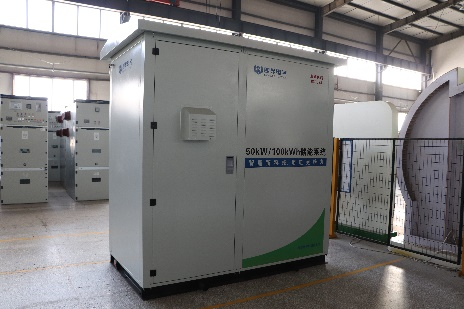
শক্তি সঞ্চয় ব্যবস্থার মাধ্যমে শীর্ষ চাহিদা শুল্ক কমানো
লোড শিফটিং এবং সময়-ভিত্তিক ব্যবহার (TOU) আর্বিট্রেজ ব্যাখ্যা করা হলো
শক্তি সঞ্চয় ব্যবস্থাগুলি লোড শিফটিং এবং TOU আর্বিট্রেজ নামক পদ্ধতির মাধ্যমে এই ব্যয়বহুল শীর্ষ চাহিদা শুল্ক কমাতে সাহায্য করে। মূল ধারণাটি অত্যন্ত সহজ: কোম্পানিগুলি বিদ্যুৎ শুল্ক সবচেয়ে কম হওয়ার সময়, অর্থাৎ অফ-পিক সময়ে, তাদের ব্যাটারিগুলি চার্জ করে, এবং পরে পিক সময়ে দাম বেড়ে যাওয়ার সময় সেই সঞ্চিত শক্তির উপর নির্ভর করে। এটি তাদের সামগ্রিক শক্তি ব্যবহারের প্যাটার্নকে সমতল করে এবং শীর্ষ চাহিদা শুল্কগুলিকে উৎসেই উল্লেখযোগ্যভাবে কমিয়ে দেয়। অধিকাংশ ব্যবসায়িক প্রতিষ্ঠান মাসের মধ্যে তাদের বিদ্যুৎ খরচের একক সর্বোচ্চ ১৫ থেকে ৩০ মিনিটের চাহিদা চূড়ান্ত স্পাইকের উপর ভিত্তি করে এই চাহিদা শুল্ক প্রদান করে, যা মোট বিদ্যুৎ বিলের ৩০% থেকে প্রায় ৭০% পর্যন্ত হতে পারে। যখন প্রতিষ্ঠানগুলি এই স্পাইকগুলি নিয়ন্ত্রণের ব্যাপারে গুরুত্ব দেয়, তখন শিল্প সংক্রান্ত তথ্য অনুযায়ী শুধুমাত্র চাহিদা শুল্কে ২০% থেকে ৩৬% পর্যন্ত সঞ্চয় হয়।
বাস্তব প্রভাব: ক্যালিফোর্নিয়া থেকে একটি বাণিজ্যিক কেস স্টাডি
ক্যালিফোর্নিয়ায় অবস্থিত একটি কারখানা বিদ্যুৎ মূল্য সর্বোচ্চ হওয়ার সময়গুলোতে খরচ কমানোর জন্য ৫০০ কিলোওয়াট ক্ষমতা এবং ২ মেগাওয়াট-ঘণ্টা ধারণক্ষমতা বিশিষ্ট একটি ব্যাটারি সিস্টেম স্থাপন করেছিল। এরপর যা ঘটেছিল, তা বেশ চমকপ্রদ ছিল। সিস্টেমটি গ্রিডে সর্বোচ্চ খরচের সময়গুলোতে তাদের সর্বোচ্চ বিদ্যুৎ ব্যবহারকে প্রায় ১,০০০ কিলোওয়াট থেকে মাত্র ৭০০ কিলোওয়াটে নামিয়ে আনে। অর্থাৎ, তারা তাদের শীর্ষ চাহিদা প্রায় ৩০ শতাংশ কমিয়েছিলেন। অর্থনৈতিক সঞ্চয়ের কথা বলতে গেলে, শুধুমাত্র চাহিদা-ভিত্তিক চার্জগুলোতেই তারা প্রতি মাসে প্রায় ৫,৬০০ মার্কিন ডলার কম খরচ করছেন, যা তাদের মাসিক বিদ্যুৎ বিলের সেই অংশটিকে প্রায় অর্ধেকে নামিয়ে আনে। যখন আমরা চাহিদা-ভিত্তিক চার্জ কমানো এবং সময়-ভিত্তিক বিদ্যুৎ মূল্য পার্থক্যের সুযোগ নেওয়া—এই উভয় সঞ্চয়কে একসঙ্গে বিবেচনা করি, তখন দেখা যায় যে সমগ্র বিনিয়োগটি কার্যকরী হওয়ার পর মাত্র পাঁচ বছরের মধ্যেই সম্পূর্ণ ফেরত পাওয়া গেছে।
শক্তি সঞ্চয় ব্যবহার করে গ্রিড অবকাঠামো বিনিয়োগের সময় স্থগিত করা
অ-তারযুক্ত বিকল্পসমূহ: খরচ বাঁচানো এবং নিয়ন্ত্রক গতিশীলতা
শক্তি সঞ্চয় এখন একটি দৃঢ় অ-তারযুক্ত বিকল্প (NWA) হিসেবে উঠে এসেছে, যা নির্দিষ্ট এলাকায় ঘনত্ব কমিয়ে ট্রান্সমিশন ও ডিস্ট্রিবিউশন সিস্টেমগুলির ব্যয়বহুল আধুনিকীকরণ এড়াতে সাহায্য করে। সমস্যাযুক্ত স্থানগুলির কাছাকাছি সঞ্চয় ইউনিটগুলি স্থাপন করলে চাহিদা উচ্চ হওয়ার সময় অতিরিক্ত বিদ্যুৎ শোষণ করা যায় এবং পরে তা মুক্ত করা যায়। এই পদ্ধতির মাধ্যমে অবকাঠামো বিনিয়োগের প্রয়োজনীয় সময় পাঁচ থেকে দশ বছর পর্যন্ত বিলম্বিত করা যায়, যার ফলে ইউটিলিটি কোম্পানিগুলির জন্য বিশাল অর্থসাশ্রয় সম্ভব হয়। একটি গবেষণায় এমনকি প্রতিটি স্থগিত প্রকল্পের জন্য প্রায় ৭৪০,০০০ মার্কিন ডলার সাশ্রয়ের পরিমাণ উল্লেখ করা হয়েছে (পোনেমন ইনস্টিটিউট, ২০২৩)। নিয়ন্ত্রক ক্ষেত্রেও ব্যাপারগুলো দ্রুত গতিতে এগিয়ে যাচ্ছে। বর্তমানে মার্কিন যুক্তরাষ্ট্রের ৩২টি রাজ্যে নতুন অবকাঠামো প্রকল্প অনুমোদনের আগে শক্তি সঞ্চয়ের বিকল্পগুলি বিবেচনা করা আবশ্যিক করে দেওয়া হয়েছে। উদাহরণস্বরূপ, নিউ ইয়র্ক রাজ্যের 'রিফর্মিং দ্য এনার্জি ভিশন' (REV) প্রোগ্রামটি এই NWA মূল্যায়নগুলি আবশ্যিক করে দিয়েছে, এবং এটি সম্প্রতি রাজ্যজুড়ে এই পদ্ধতির গ্রহণযোগ্যতা বৃদ্ধির প্রধান চালক হয়ে উঠেছে।
স্টোরেজ-ভিত্তিক নেটওয়ার্ক ওয়াইড এরিয়া (NWA) গুলি তিনটি স্পষ্ট সুবিধা প্রদান করে:
- খরচ দক্ষতা : নতুন পাওয়ার লাইন নির্মাণের তুলনায় ৪০–৬০% কম মূলধন ব্যয়
- স্কেলযোগ্যতা : মডুলার ইনস্টলেশন পদ্ধতি পরিবর্তনশীল লোডের চাহিদা অনুযায়ী সঠিক ক্ষমতা মিলিয়ে নেওয়ার অনুমতি দেয়
- দ্বৈত-ব্যবহার কার্যকারিতা : সিস্টেমগুলি একসাথে পিক শেভিং, ফ্রিক uency নিয়ন্ত্রণ বা ভোল্টেজ সমর্থন উভয়ই সমর্থন করতে পারে
পারম্পরিক অবকাঠামো প্রকল্পগুলির বিপরীতে, যেগুলির জন্য বহু-বছর ধরে অনুমতি এবং নির্মাণের প্রয়োজন হয়, স্টোরেজ ইনস্টলেশনগুলি মাসের মধ্যে সংকীর্ণতা দূর করে—এবং গ্রিডের স্থিতিস্থাপকতা বৃদ্ধি করে যখন নবায়নযোগ্য শক্তির উচ্চতর অংশগ্রহণ সক্ষম করে।
শক্তি সঞ্চয় ব্যবহার করে কাটছাঁট প্রতিরোধ করে নবায়নযোগ্য শক্তি থেকে আয় সর্বাধিক করা
বাতাস ও সৌর শক্তি + স্টোরেজ: কাটছাঁট এড়ানোর মাধ্যমে আয় বৃদ্ধির পরিমাণগত মূল্যায়ন
যখন বাতাসের খামার বা সৌর কেন্দ্রগুলি জাল (গ্রিড) সমস্ত বিদ্যুৎ পরিচালনা করতে অক্ষম হয় বা সরবরাহ অত্যধিক হয়, তখন উৎপাদন ধীর করে দিতে হয়—এর ফলে শক্তি নষ্ট হয় এবং অর্থ হাতছাড়া হয়। শক্তি সঞ্চয় ব্যবস্থা (ESS) এই সমস্যার সমাধান করে যখন এই উৎপাদন সীমাবদ্ধকরণ (কার্টেলমেন্ট) ঘটে, তখন অতিরিক্ত বিদ্যুৎ ধরে রাখে এবং পরে গ্রাহকদের বিদ্যুৎ চাহিদা বৃদ্ধি পেলে এবং তারা উচ্চ মূল্য প্রদান করতে রাজি হলে তা ছাড়ার ব্যবস্থা করে। একটি সাধারণ সৌর ইনস্টলেশনের উদাহরণ নিন। দিনের মাঝামাঝি সময়ে, যখন সূর্যের আলো সবচেয়ে তীব্র, এই খামারগুলি প্রায়শই স্থানীয় ভোক্তাদের চেয়ে অনেক বেশি বিদ্যুৎ উৎপাদন করে। উপযুক্ত সঞ্চয় সমাধানের মাধ্যমে অপারেটররা এই অতিরিক্ত শক্তি সঞ্চয় করে রাখতে পারেন এবং সন্ধ্যার সময় যখন চাহিদা বৃদ্ধি পায় এবং দর উল্লেখযোগ্যভাবে বৃদ্ধি পায়, তখন তা আবার জালে বিক্রি করতে পারেন, যা স্বাভাবিকভাবে তাদের মুনাফা বৃদ্ধি করে।
আর্থিক ও পরিচালনাগত সুবিধাগুলি তিনটি প্রধান মাত্রায় বিস্তৃত:
- রাজস্ব পুনরুদ্ধার : প্রতি মেগাওয়াট-ঘণ্টা (MWh) কার্টেলমেন্টের সময় সঞ্চিত ও পুনঃবিক্রিত শক্তি অঞ্চলভিত্তিক বাজার মূল্যের উপর নির্ভর করে $৩০–$৯০ পরিমাণ হারিয়ে যাওয়া উৎপাদন রাজস্ব এড়ায়।
- গ্রিড মান : ক্যালিফোর্নিয়ার মতো উচ্চ-নবায়নযোগ্য অঞ্চলে, স্টোরেজ জড়াজড়ি-সম্পর্কিত গ্রিড ফি ১৫–৪০% পর্যন্ত কমায়।
- নি:সরণ সংরক্ষণ : কার্টেলমেন্ট প্রতিরোধ করে ০.৫–০.৮ মেট্রিক টন CO₂ প্রতি MWh বর্জ্য এড়ায়—এইভাবে অতিরিক্ত মূলধন বিনিয়োগ ছাড়াই ESG প্রতিশ্রুতি পূরণে অগ্রগতি সাধন করে।
স্টোরেজ একীভূতকরণ করা প্রকল্পগুলি একক নবায়নযোগ্য শক্তি প্রকল্পের তুলনায় বার্ষিক আয়ে ১২–২৫% বেশি রিপোর্ট করে। এই বৃদ্ধির কারণ হলো অনিয়মিত সম্পদগুলিকে নির্দিষ্ট সময়ে ব্যবহারযোগ্য ও বাজার-প্রতিক্রিয়াশীল সম্পদে রূপান্তরিত করা—যা ব্যাঙ্কেবিলিটি, ক্রেডিটওয়ার্থিনেস এবং দীর্ঘমেয়াদী ROI উন্নত করে।
বুদ্ধিমান নিয়ন্ত্রণ ও ভবিষ্যদ্বাণীর মাধ্যমে শক্তি সঞ্চয় বিনিয়োগের রিটার্ন অপটিমাইজ করা
স্মার্ট নিয়ন্ত্রণ সিস্টেমগুলি শক্তি সঞ্চয়কে কেবল নিষ্ক্রিয়ভাবে বসে থাকা থেকে এমন কিছুতে রূপান্তরিত করে যা আসলে অর্থ উপার্জন করে। এই সিস্টেমগুলি বর্তমানে যা ঘটছে তা ভবিষ্যতে যা ঘটবে তার পূর্বাভাসের সাথে মিলিয়ে কাজ করে। বর্তমানে বাজারে উপলব্ধ নতুন প্রযুক্তিগুলিও বেশ চমকপ্রদ। মেশিন লার্নিং অ্যালগরিদমগুলি পুরনো পদ্ধতির তুলনায় শক্তির খরচ ও ব্যবহারের প্রবণতা প্রায় ২৫% বেশি নির্ভুলভাবে পূর্বাভাস দিতে পারে। এটি সিস্টেমকে শক্তি সঞ্চয় করা বা মুক্ত করা উচিত কখন, তা স্বয়ংক্রিয়ভাবে ও আত্মবিশ্বাসের সাথে সিদ্ধান্ত নেওয়ার সুযোগ দেয়, যা লাভজনক আর্বিট্রেজ সুযোগগুলি কাজে লাগাতে সাহায্য করে। ব্যবসায়িক প্রতিষ্ঠানগুলি এই প্রযুক্তি থেকে বিশেষভাবে উপকৃত হয়। পিক সময়ে প্রতি কিলোওয়াট-ঘণ্টা ৪৫ সেন্ট দরে ব্যয়বহুল বিদ্যুৎ ক্রয় না করে, তারা নিজস্ব স্টোরেজ ট্যাঙ্ক থেকে বিদ্যুৎ সরবরাহ করতে পারে। এতে মাসের পর মাস লাভের উপর চাপ সৃষ্টিকারী বৃহৎ চাহিদা-ভিত্তিক চার্জগুলি কমে যায়।
স্মার্ট অ্যালগরিদমগুলি হাইব্রিড স্টোরেজ সেটআপ থেকে উন্নত রিটার্ন পাওয়ার ক্ষেত্রে ব্যাপারটিকে আরও এক ধাপ এগিয়ে নিয়ে যায়। উদাহরণস্বরূপ, তাপমাত্রা নিয়ন্ত্রণ ও বৈদ্যুতিক সিস্টেমের মধ্যে সমন্বয় নিয়ে ভাবুন। স্মার্ট শিডিউলিং বিল্ডিংগুলিকে আগামীকাল ঠাণ্ডা করে দিতে পারে অথবা প্রতি কিলোওয়াট-ঘণ্টা বিদ্যুৎ খরচ আট সেন্টের নীচে চলার সময় জল গরম করতে পারে। এই সিস্টেমটি সৌর শক্তির ভবিষ্যদ্বাণী ভুল হলে তাৎক্ষণিকভাবে সংশোধনও করে থাকে। সাম্প্রতিক কিছু গবেষণা বিল্ডিংয়ের শক্তি ব্যবহার নিয়ে দেখিয়েছে যে, এই স্তরযুক্ত নিয়ন্ত্রণগুলি সৌর শক্তি ব্যবহারকে প্রায় তিন শতাংশ বাড়ায় এবং বৈদ্যুতিক বিলকে প্রায় আট শতাংশ কমায়। আরও অবাক করা ব্যাপার হলো এই সিস্টেমগুলি কতটা দক্ষতার সাথে নিজেদের পরিচালনা করে। অধিকাংশ কৃত্রিম বুদ্ধিমত্তা (AI) চালিত সমাধান তাদের যা সাশ্রয় করে তার মাত্র ০.৩ থেকে ০.৮ শতাংশ নিজেদের কাজে ব্যবহার করে, ফলে স্মার্ট নিয়ন্ত্রণগুলি অধিকাংশ ক্ষেত্রে খুব দ্রুত নিজেদের খরচ পূরণ করে।
| নিয়ন্ত্রণ কৌশল | ফটোভোলটাইক (PV) স্ব-ভোগ বৃদ্ধি | খরচ হ্রাস | শক্তি বাচত |
|---|---|---|---|
| বেসলাইন (নিয়ম-ভিত্তিক) | - | - | - |
| AI ভিত্তিক ভবিষ্যদ্বাণীমূলক শিডিউলিং | +2.1% | 5.2% | 2.8% |
| অ্যাডাপ্টিভ রিয়েল-টাইম নিয়ন্ত্রণ | +3.0% | 8.01% | 3.45% |
বাণিজ্যিক হাইব্রিড স্টোরেজ সিস্টেমগুলিতে বুদ্ধিমান নিয়ন্ত্রণ স্তরগুলির কার্যকারিতা তুলনা (রিনিউয়েবল এনার্জি, ২০২৫)
অবশেষে, স্বায়ত্তশাসিত নিয়ন্ত্রণের সাথে গ্র্যানুলার ফরেকাস্টিং-এর সংমিশ্রণ রিনিউয়েবল-প্লাস-স্টোরেজ প্রকল্পগুলির জন্য ১৫–২৫% উচ্চতর আয় উৎস আনলক করে—যার ফলে সরঞ্জামের আয়ু বৃদ্ধি পায় এবং দীর্ঘমেয়াদী রিটার্নের ঝুঁকি কমে। অপারেশনাল ইন্টেলিজেন্স কেবল একটি উন্নয়ন নয়—এটি সেই প্রেরক যা স্টোরেজ বিনিয়োগকে ব্রেক-ইভেনের বাইরে নিয়ে যায় এবং টেকসই, চক্রবৃদ্ধি মূল্য সৃষ্টির দিকে এগিয়ে নেয়।
প্রায়শই জিজ্ঞাসিত প্রশ্ন
শক্তি সঞ্চয়ের প্রেক্ষিতে লোড শিফটিং কী?
লোড শিফটিং হল শক্তি সঞ্চয় সিস্টেমগুলি ব্যবহার করে সস্তা মূল্যে বিদ্যুৎ সঞ্চয় করা, যা সাধারণত অফ-পিক সময়ে হয়, এবং পরে এই সঞ্চিত বিদ্যুৎ পিক সময়ে ব্যবহার করা, যখন বিদ্যুৎ হার উচ্চতর হয়।
শক্তি সঞ্চয় গ্রিড অবকাঠামো বিনিয়োগের বিলম্ব ঘটাতে কীভাবে সাহায্য করে?
শক্তি সঞ্চয় ব্যবস্থাগুলি নির্দিষ্ট এলাকায় চাপ কমাতে পারে, যা ট্রান্সমিশন ও ডিস্ট্রিবিউশন ব্যবস্থার ব্যয়বহুল আধুনিকীকরণের প্রয়োজনীয়তা বিলম্বিত করে এবং ফলস্বরূপ উল্লেখযোগ্য খরচ সাশ্রয় করে।
নবায়নযোগ্য শক্তি উৎস এবং সঞ্চয় ব্যবস্থার সমন্বয়ের সুবিধাগুলি কী কী?
বাতাস ও সৌর শক্তির মতো নবায়নযোগ্য শক্তি উৎসের সঙ্গে শক্তি সঞ্চয় ব্যবস্থার সমন্বয় রাজস্ব পুনরুদ্ধারের উন্নতি, গ্রিড চাপ-সম্পর্কিত ফি হ্রাস এবং শক্তি বিচ্ছিন্নকরণ প্রতিরোধের মাধ্যমে নি:সর্গ হ্রাসের সুযোগ প্রদান করে।
শক্তি সঞ্চয় অপ্টিমাইজেশনে স্মার্ট নিয়ন্ত্রণ ব্যবস্থাগুলির ভূমিকা কী?
স্মার্ট নিয়ন্ত্রণ ব্যবস্থাগুলি শক্তি খরচ ও ব্যবহারের প্রবণতা পূর্বাভাস দিয়ে শক্তি সঞ্চয় ও মুক্তির সঠিক সময় নির্ধারণে সহায়তা করে, যার ফলে শক্তি সঞ্চয় ব্যবস্থার লাভজনকতা বৃদ্ধি পায় এবং আর্থিক রিটার্ন সর্বোচ্চ হয়।
সূচিপত্র
- শক্তি সঞ্চয় ব্যবস্থার মাধ্যমে শীর্ষ চাহিদা শুল্ক কমানো
- শক্তি সঞ্চয় ব্যবহার করে গ্রিড অবকাঠামো বিনিয়োগের সময় স্থগিত করা
- শক্তি সঞ্চয় ব্যবহার করে কাটছাঁট প্রতিরোধ করে নবায়নযোগ্য শক্তি থেকে আয় সর্বাধিক করা
- বুদ্ধিমান নিয়ন্ত্রণ ও ভবিষ্যদ্বাণীর মাধ্যমে শক্তি সঞ্চয় বিনিয়োগের রিটার্ন অপটিমাইজ করা
- প্রায়শই জিজ্ঞাসিত প্রশ্ন