EN
EN



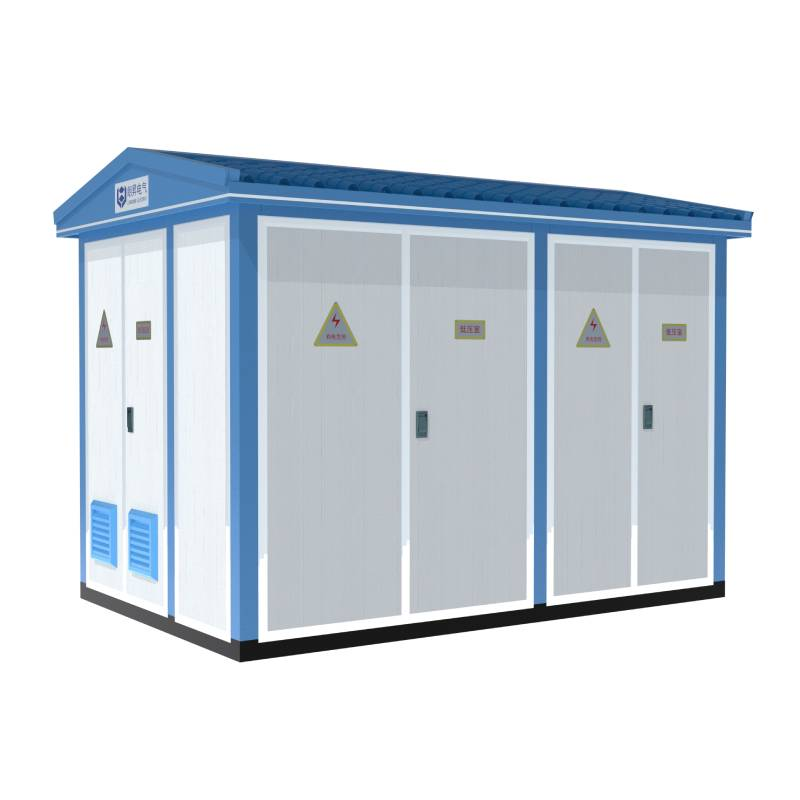
The Substation as the Strategic Gateway for Renewable Energy Integration
Why Substations Are Evolving from Passive Nodes to Active Integration Hubs
Substations used to be just passive spots where voltage got transformed, but things have changed quite a bit lately. They're becoming active integration points now, handling those two-way energy flows coming from all the solar panels and wind turbines scattered around. Why? Well, renewable sources already account for about 30 percent of world electricity according to the International Energy Agency report from last year, and this number keeps growing as more regions connect these green power sources to their grids. Today's substation designs come equipped with better monitoring systems, smart control mechanisms, and quick response power electronics. These help keep voltages stable within roughly plus or minus 5 percent, which matters a lot when dealing with sudden drops in solar production at sunset or periods when the wind isn't blowing hard enough. With hybrid inverters working alongside on-site storage solutions, substations can actually provide their own reactive power support and balance loads in real time. This means they've moved beyond being simple infrastructure elements to something much more responsive - almost like the nervous system of the grid itself. Such upgrades help stop major blackouts and reduce wasted energy during peak times.
Case Study: Regional Grid's High-Voltage Retrofit — Scaling Distributed Solar & Wind Interconnection
A major grid operator's retrofit of a 345-kV substation demonstrates how targeted upgrades resolve renewable interconnection bottlenecks. Before modernization, voltage violations spiked 150% during peak solar generation hours. Post-retrofit solutions included:
- Phasor Measurement Units (PMUs) enabling 30-millisecond detection and response to disturbances
- Dynamic line rating systems, increasing thermal capacity by 25% during high-wind periods
- Modular transformer banks, supporting staged capacity expansion aligned with project rollouts
These interventions doubled distributed energy resource (DER) hosting capacity and reduced curtailment by 60%. The project confirms that substation-edge intelligence turns interconnection constraints into resilience assets—especially in regions where variable renewables exceed 50% of local supply.
Substation-Level Engineering Solutions for Renewable Intermittency and Power Quality
Co-Located Battery Energy Storage Systems (BESS) at the Substation Interface
Putting Battery Energy Storage Systems right inside substations gives us much needed protection from the ups and downs of renewable energy sources. These systems soak up extra power generated when solar panels are beaming or wind turbines spinning hard - this stops problems like overvoltage and grid congestion. Then they release that stored electricity whenever production dips, keeping voltages stable across the network while saving money by preventing wasted energy. When installed at substation level, BESS cuts down on those pesky transmission losses we get when moving power long distances. Plus it acts as a central control point for various grid support tasks, things like mimicking system inertia and even starting up the grid after a total blackout situation occurs.
Dynamic Reactive Power Compensation: SVCs, STATCOMs, and Inverter-Based VAR Support in 138-kV Substations
When renewable energy sources cause voltage changes, the system needs reactive power adjustments within milliseconds to keep things stable. At 138kV substations, engineers install Static VAR Compensators (SVCs) and Static Synchronous Compensators (STATCOMs). These devices work by either putting VARs into the grid or taking them out as needed, which helps maintain proper voltage levels and fixes power factor issues according to IEEE 1547-2018 standards for distributed energy resource support. More recently we've seen solar farms and battery storage systems (BESS) come online with built-in ability to manage reactive power themselves. This means fewer specialized pieces of equipment are required since these newer technologies can handle some of the same tasks traditionally done by SVCs and STATCOMs. The combination of old and new approaches actually works better for several reasons. It cuts down on unwanted harmonics in the system, improves how well equipment handles disturbances, and keeps everything compliant while still allowing operators to make necessary adjustments when conditions change.
Digital Substation Enablement: IoT Sensors, Real-Time Monitoring, and IEEE 1547-2018 Compliance
Grid Visibility and Adaptive Control via Substation-Embedded Edge Sensors and PMUs
Edge sensors built right into substations along with Phasor Measurement Units give operators detailed insight into voltage levels, current flows and frequency changes, capturing all this data down to the microsecond level. When this stream of information gets sent to control systems, it allows for smart responses like automatically adjusting loads when there are sudden spikes from solar panels or fluctuations caused by wind turbines. This works within the requirements set out by IEEE 1547-2018 which demands responses under two seconds for distributed energy resources. The benefits go beyond just quick reactions though. Constant monitoring helps spot problems before they become disasters. Thermal sensors can pick up unusual temperature rises in transformer windings several weeks ahead of actual failures happening. And those partial discharge detectors catch signs of insulation breakdown long before it becomes serious. All these features turn what used to be passive substations into active control points that keep modern power grids stable despite their growing dependence on unpredictable renewable sources.
AI-Driven Forecasting and Virtual Power Plant Coordination at the Substation Edge
AI transforms substations into something much more than just passive monitoring points they become actual control centers that can predict what will happen next. The machine learning systems we're using now have been trained on all sorts of data including past weather patterns, SCADA system readings, and how distributed energy resources actually perform. These models can predict when solar panels will generate power and how much wind turbines will produce about 90 percent of the time, sometimes even three full days before it happens. With this kind of advance knowledge, grid operators can set things up properly beforehand for voltage control, allocate reserves where they need them most, and decide when to dispatch stored energy. This helps prevent problems when renewable sources start making up nearly half of the electricity mix in major power networks according to recent reports from the International Energy Agency.
AI systems at the substation level are helping manage virtual power plants (VPPs) that bring together various distributed energy resources such as battery storage systems (BESS), electric vehicle charging stations, and solar panels on rooftops. These smart systems work together automatically when needed most. When there's high electricity demand or when renewable sources drop off, the VPP software sends out instructions to these different assets. This helps cut down stress on the electrical grid by around 15 to 30 percent during those critical moments. The technology keeps the power frequency stable within standards set by IEEE 1547-2018. And it can save money too - studies from Ponemon Institute suggest that this approach might avoid costly transmission line upgrades which typically cost about $740,000 per mile. With all these capabilities working together at once, substations have become essential points where we can scale up renewable energy without sacrificing reliability.
FAQ
Q1: Why are substations evolving from passive nodes to active integration hubs?
A: Substations are evolving due to the increasing integration of renewable energy sources like solar and wind. They now handle two-way energy flows and have advanced monitoring and control systems to manage voltage stability and energy distribution.
Q2: What role do Battery Energy Storage Systems (BESS) play in substations?
A: BESS in substations store excess power generated during peak renewable production and release it when production dips, helping stabilize the grid and reduce transmission losses.
Q3: How do AI-driven systems enhance substation functionality?
A: AI systems predict energy production, assist in voltage control, and coordinate virtual power plants, helping manage distributed energy resources effectively and reduce grid stress.
Q4: What are the benefits of digital substations?
A: Digital substations provide real-time monitoring and adaptive control, improving grid stability and compliance with global standards for distributed energy resources.
Table of Contents
- The Substation as the Strategic Gateway for Renewable Energy Integration
- Substation-Level Engineering Solutions for Renewable Intermittency and Power Quality
- Digital Substation Enablement: IoT Sensors, Real-Time Monitoring, and IEEE 1547-2018 Compliance
- AI-Driven Forecasting and Virtual Power Plant Coordination at the Substation Edge