EN
EN



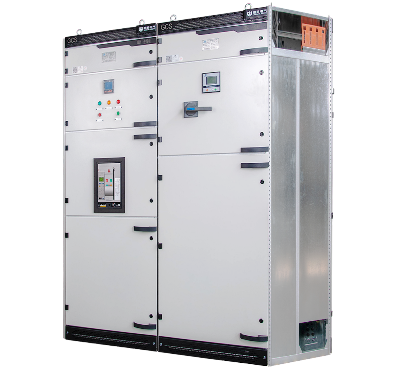
Core Sizing Principles for Electrical Cabinet Design
Getting the right size for electrical cabinets means finding a sweet spot between what works now and what will last through the years while staying compliant. Start by measuring everything inside the cabinet down to the last millimeter. That includes those pesky PLCs, all those I/O modules, power supplies, and even the mounting brackets. Don't forget to leave at least an inch or two free around each side so there's room for air to circulate and technicians can actually get their hands in there when needed. About a third of the cabinet space should be dedicated just for cables. This helps keep things organized, prevents dangerous overheating situations, and minimizes interference problems from all those wires running together. Put any equipment that generates heat where it can catch some breeze naturally, particularly important in those cabinets that rely on convection cooling. Make sure nothing blocks the vertical spaces between components either. And here's something worth remembering: always plan for growth. Leave about 10-20% extra space in case new stuff gets added later like drives, monitoring gear, or those fancy IoT gateways everyone talks about these days. Industry experience shows that going ahead and making cabinets just a little bigger initially saves money in the long run. Studies indicate that increasing cabinet size by 15% upfront cuts overall costs by around 30% after a decade of operation.
Thermal Management and Its Impact on Electrical Cabinet Dimensions
Why Heat Dissipation Dictates Minimum Cabinet Volume and Ventilation Layout
All electrical components produce heat when they're running, and if temperatures keep climbing without control, it seriously affects how reliable the equipment stays over time. Studies in the field show that keeping things running even 10 degrees Celsius hotter than what's recommended for the environment can cut the life of the equipment in half. To handle this issue properly, electrical cabinets need enough space inside so natural convection works right. Hot air moves upward and escapes through top vents, while fresh cool air comes in from below. When components are crammed too close together, airflow gets blocked, leading to those nasty hot spots we all know too well. These spots speed up insulation failure and make contacts corrode faster. Designing proper ventilation means finding that sweet spot between staying cool enough and protecting against dust and moisture. Technicians often use baffles or mesh filters rated for specific protection levels to keep out contaminants without stopping the airflow completely. Generally speaking, good convection cooling needs about 20 to 30 percent more room inside the cabinet than just stacking up all the components would suggest.
Fan-Assisted vs. Convection Cooling: Trade-offs for IP55 Electrical Cabinet Applications
| Cooling Method | Space Efficiency | IP55 Maintenance Impact | Best Use Case |
|---|---|---|---|
| Convection Cooling | Requires 20–40% larger volume | Minimal (no moving parts or filters) | Moderate heat loads in dust-prone environments like chemical plants |
| Fan-Assisted Systems | Enables compact designs | Higher (annual filter cleaning/replacement increases maintenance frequency by 30–50%) | High-density installations where heat density exceeds 500 W/m&AndE |
When it comes to IP55 rated cabinets, convection cooling gets rid of those pesky fan failure points but needs more space inside for proper air movement. On the flip side, fan assisted systems push air around better, which means components can be packed closer together. However these systems need special sealed vents with filters that collect dust and debris over time. If someone forgets to clean them regularly, the seals start to fail. No matter which method is chosen, both have to meet those IP55 standards. That means they need to stop water from getting in during light sprays and keep out dust particles too. The only way this works is by using either louvers or sealed vent designs that let heat escape while still keeping the cabinet properly protected according to industry specs.
Space Optimization: Clearance, Cabling, and Future-Proofing the Electrical Cabinet
Good spatial planning isn't just about cramming in all the parts we need right now. It means thinking ahead about how things will change when maintenance is needed, components get upgraded, or temperatures fluctuate over time. Set aside roughly 20 to 30 percent of the inside space specifically for wires and cables to run through. This extra room helps cut down on electromagnetic interference problems, makes it easier to track down issues later on, and keeps those power and signal lines within safety standards for bends and turns. Also important: leave at least an inch or two (about 25 to 50 mm) of open space around anything that generates heat. This becomes really crucial in IP55 rated enclosures where cooling happens naturally through air movement rather than forced ventilation systems.
Strategic Clearance Planning
When designing for three dimensional service access, there are several key considerations. The front clearance area allows technicians to safely operate breakers while still being able to see the meter clearly. On the sides, we need enough margin space to fit all those cables coming in, plus room for gland plates and any modular components that might get added later on. And up top, leaving space overhead makes sense too since it gives room for vertical busbars, duct extensions, or even potential sensor installations down the road. These spacing requirements aren't just suggestions either. They form the basis of meeting important standards like UL 508A and IEC 61439-1. More importantly, proper clearances mean big differences when someone needs to perform maintenance or troubleshooting in the field. A little extra space now can save hours of frustration later during equipment servicing.
Future-Proofing Through Scalability
Most engineers tend to overlook equipment growth halfway through their operational life. Leaving around 10 to 20 percent of panel space untouched but wired up makes sense for future expansions. Think about extra PLC modules, better surge protection systems, or even some edge computing gear down the road. Panels built with modular backplanes last much longer since they can be rearranged without throwing out the whole enclosure. This kind of planning becomes really important when looking at how fast industrial IoT is taking off these days. Frost & Sullivan reported something like 23% annual growth last year if memory serves right. Smart factories need this flexibility when expanding production lines or adding those new fancy sensors everyone talks about nowadays. The money saved from avoiding unexpected shutdowns alone justifies the upfront effort.
Regulatory Compliance: IEC Standards, IP Ratings, and Electrical Cabinet Sizing Requirements
Getting regulations right matters a lot in this business—not just because it's something we have to do, but because these rules actually protect people, equipment stays running longer, and different systems can work together properly. The International Electrotechnical Commission, or IEC for short, has developed standards that most everyone follows worldwide, and these standards really influence how control cabinets are built from the ground up. Take IEC 61439-1 for instance. This standard specifies certain minimum distances between components to stop dangerous electrical arcs from forming. When following this rule, manufacturers need about 20 to 30 percent more space inside the cabinet than they would if they ignored compliance altogether. And then there's the whole IP rating system that affects physical design decisions too. For example, an IP55 rated enclosure needs special features like sealed connections, air filters on vents, and stronger door seals around the edges. These requirements typically make the cabinet deeper by roughly 15 to 25 percent compared to basic IP20 models. Going even higher with ratings like IP66 means building with much thicker walls and using specialized compression molded gaskets, which obviously takes up even more room overall.
When it comes to equipment sizing, thermal considerations play a big role. Standards like IEC 61439-2 set limits on how much temperatures can rise inside electrical cabinets when they're operating at full capacity. This often means going bigger than necessary for proper convection cooling or installing fans that take up precious room inside panels. The risks of getting this wrong are substantial. According to the NFPA's Electrical Safety Survey from last year, nearly half (43%) of all electrical fires examined turned out to be caused by enclosures that simply weren't large enough for their intended workload. For engineers working on panel designs, keeping track of different regional rules becomes essential work. North American projects follow UL 508A guidelines while European installations need to meet EN 61439 specs. These differences matter because things like where cables enter the cabinet, how far apart terminals should be spaced, and even how conductors bend around corners vary between jurisdictions. At the end of the day, following these regulations isn't just about avoiding fines or losing market approval. Proper compliance helps equipment stand up to whatever conditions they encounter in factories, warehouses, and other industrial settings where reliability counts most.
FAQs
What are the key factors in determining the size of an electrical cabinet?
Key factors include the components inside, allowance for future growth, space for air circulation, and thermal management. Adequate space for cabling and clearance for maintenance are also crucial.
Why is thermal management important in electrical cabinet design?
Thermal management prevents overheating, which can lead to equipment failure. Proper ventilation and adequate spacing are important to ensure components function reliably.
What is the difference between convection and fan-assisted cooling for IP55 cabinets?
Convection cooling requires more space but is less maintenance-intensive, while fan-assisted systems allow compact designs but require regular maintenance to ensure effectiveness.
How do IEC standards impact electrical cabinet design?
IEC standards dictate minimum spacing, IP rating requirements, and thermal considerations, ensuring safety, reliability, and compliance with international regulations.
Table of Contents
- Core Sizing Principles for Electrical Cabinet Design
- Thermal Management and Its Impact on Electrical Cabinet Dimensions
- Space Optimization: Clearance, Cabling, and Future-Proofing the Electrical Cabinet
- Regulatory Compliance: IEC Standards, IP Ratings, and Electrical Cabinet Sizing Requirements
- FAQs