EN
EN



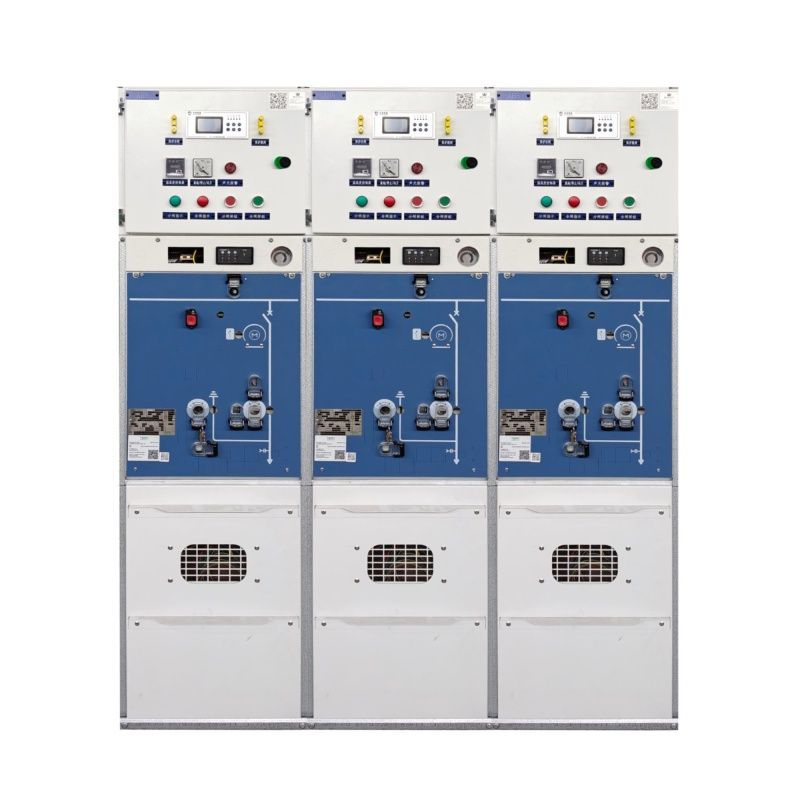
Compliance with Safety Standards (OSHA, UL, NEC)
Understanding OSHA and NEC Requirements for Electrical Enclosures
Importance of UL Certification in Ensuring Electrical Cabinet Safety
Getting UL certification means those cabinets have gone through serious safety checks for things like how they handle fires, keep insulation intact, and protect against short circuits. According to a recent study from the Electrical Safety folks in 2023, cabinets with this certification actually cut down on safety problems by around two thirds when compared to regular ones without it. What makes this third party approval so valuable? Well, it basically proves these materials can take the heat - literally up to 140 degrees Fahrenheit - plus stand up to all sorts of harsh chemicals and other nasty stuff found in factories and warehouses every day.
How Regulatory Compliance Prevents Equipment Failure and Downtime
Adhering to OSHA, NEC, and UL standards minimizes arc flash risks and premature component degradation. Non-compliant cabinets cause 73% more unplanned outages, costing manufacturers an average of $185k per downtime hour (Ponemon Institute 2022). Properly grounded, labeled, and insulated enclosures extend service life by 8—12 years when aligned with these standards.
Case Study: Consequences of Non-Compliant Electrical Cabinet Use
A Midwest food processing plant faced $740k in fines and a 14-day production halt after OSHA inspectors found uncertified cabinets with inadequate arc flash boundaries. Moisture ingress caused a phase-to-phase fault, damaging $2.1M in automation equipment. Post-incident analysis showed compliant NEMA 4X cabinets would have prevented 92% of losses.
Key Compliance Metrics:
| Standard | Key Requirement | Non-Compliance Risk |
|---|---|---|
| OSHA 1910.303 | Arc flash boundary labeling | $15,625 per violation (2023 penalty structure) |
| NEC 110.28 | Adequate working space clearance | 43% higher equipment failure rate |
| UL 50 | Environmental durability testing | Voided insurance claims in 67% of cases |
Protection Ratings: NEMA and IP Classifications Explained
Ingress Protection (IP) Ratings for Dust and Water Resistance
IP ratings are basically how we measure how well electrical cabinets stand up to things like dust and water. They work with this two number system, like IP65 for example. The first number tells us about dust protection levels, where 6 means completely dust tight. The second number relates to water resistance, so a 5 rating means it can handle low pressure water jets without issues. Most standard IP rating systems stick pretty much to just these two main aspects. That makes them really useful when we need equipment that can resist dust buildup or keep moisture out in specific environments where those elements could cause problems.
Comparing NEMA Types for Indoor vs Outdoor Applications
NEMA ratings go beyond IP standards by addressing corrosion, ice formation, and material durability. Common classifications include:
- NEMA 3R: Protects against rain and ice for outdoor use
-
NEMA 4X: Waterproof, dustproof, and corrosion-resistant for harsh environments
As outlined in industrial protection guidelines, NEMA Type 1 (indoor) lacks the weatherproofing needed for outdoor installations, highlighting the importance of environment-specific selection.
Real-World Selection: IP65 vs NEMA 4X in Harsh Environments
IP65 cabinets excel in environments requiring dust-tight seals and water jet resistance, such as food processing facilities. NEMA 4X, however, adds corrosion protection from chemicals or saltwater, making it indispensable in wastewater plants or coastal installations. Misapplying IP65 in corrosive settings risks premature failure despite its water resistance.
Why Mismatched Protection Ratings Lead to Premature Failure
Using indoor-rated enclosures (e.g., NEMA 1) in outdoor settings allows moisture ingress, causing short circuits. Similarly, selecting IP65 over NEMA 4X in chemical-heavy environments accelerates corrosion. Always align ratings with operational hazards—28% of industrial downtime stems from inadequate enclosure protection (Ponemon 2023).
Material Selection and Environmental Resistance
Stainless Steel vs Aluminum: Durability and Corrosion Resistance in Electrical Cabinets
The chromium found in stainless steel forms what's known as a self repairing oxide layer on the surface. Studies looking at corrosion prevention show this makes stainless steel around 73 percent better performing than regular aluminum alloys when exposed to environments rich in chlorides. While aluminum cabinets do save about 40% in weight compared to their stainless counterparts, they need special protective coatings whenever installed in places with high humidity levels. Take coastal areas for example where electrical equipment is constantly battling salt air. Tests using salt spray chambers reveal that grade 316L stainless steel lasts roughly twelve times longer than even powder coated aluminum before showing signs of degradation. This kind of difference really matters for infrastructure projects near the ocean where replacement costs can quickly add up over time.
Plastic Enclosures: Suitable Use Cases and Limitations
UV-stabilized polycarbonate suits indoor control panels with strict NEMA 12 requirements, while fiberglass-reinforced polyester handles mild outdoor exposures. However, plastic electrical cabinets become brittle below -40°F and deform above 140°F, limiting use in temperature-extreme environments like foundries or Arctic facilities.
Impact of Environmental Stressors: Corrosion, Temperature, and Humidity
Accelerated testing shows uncoated steel cabinets develop 2.3mm/year corrosion rates in 90% humidity, compared to 0.1mm/year for 304 stainless steel. Thermal cycling (-22°F to 158°F) causes 80% faster fastener degradation in galvanized vs stainless housings.
Data Insight: How Industrial Environments Affect Electrical Cabinet Lifespan
Chemical processing plants reduce painted steel cabinet durability by 60% compared to climate-controlled facilities. Recent lifecycle assessments show proper material selection extends electrical cabinet service life by 50% in corrosive environments when implementing climate-resilient material strategies.
Size, Scalability, and Thermal Management
Proper Sizing and Space Planning for Current and Future Components
Getting the right size for an electrical cabinet means making room for all current parts plus leaving about 20 to 25 percent extra space when planning for future additions. When cabinets get too crowded, they trap heat and make maintenance work a real pain. Some field reports indicate that poor spacing inside these enclosures can actually raise internal temps anywhere from 15 up to maybe around 25 degrees Fahrenheit. For space efficiency, most technicians recommend going vertical first since it saves floor area. But if cable management is going to be an issue later on, horizontal arrangements tend to make things simpler down the road. Just remember to check whether whatever setup works best will still fit standard mounting requirements across different equipment models.
Designing for Scalability: Modular Layouts and Expansion Readiness
Studies show that modular design can cut down on upgrade expenses somewhere between 30 to maybe even 40 percent when compared to those old fixed setups in industrial settings. The reason? Systems built with things like sliding panels, removable covers, and standard mounting rails just make it so much easier to plug in new parts without tearing everything apart. Take temperature control systems as a case in point. Plants that switched to these modular versions often find their upgrade process goes about half as fast as before because there's simply less rewiring involved. Some maintenance managers actually mention being able to complete upgrades overnight instead of spending days on them.
Passive vs Active Thermal Management: Vents, Fans, and Coolers
| Method | Components | Best Applications | Heat Reduction Capacity |
|---|---|---|---|
| Passive | Louvered vents, heat sinks | Mild climates (â¤35°C ambient) | 5â10°C |
| Active | Thermoelectric coolers, fans | High-density/humid environments | 15â30°C |
Active cooling becomes critical in cabinets housing components exceeding 500W, where passive methods alone risk thermal overload. However, fan-dependent systems require 15â20% more energy and quarterly filter maintenance.
Best Practices for Airflow and Internal Layout to Prevent Overheating
Optimal airflow requires hot components (transformers, drives) to mount above cooler devices (sensors, relays). Diagonal airflow paths using baffle plates improve heat dissipation by 40% compared to vertical designs. Maintain 50mm clearance between heat-sensitive components and cabinet walls, and use open-chassis circuit breakers to minimize airflow obstruction.
Accessibility, Security, and Long-Term Maintainability
Security Features: Locks, Tamper-Proof Hardware, and Access Control
Most industrial plants need electrical cabinets equipped with stainless steel hasps and those NEMA-rated locks to keep people from getting in where they shouldn't. The security game has changed quite a bit lately. Facilities using tamper proof fasteners along with biometric systems actually see around a two thirds drop in tampering incidents when compared to regular old locks, according to a study published last year in the Industrial Security Journal. When dealing with really important infrastructure stuff, companies often layer different types of security together both physical barriers and digital controls. This approach helps meet those tricky NFPA 70E requirements for arc flash protection without making it impossible for authorized personnel to get their work done on time.
Mounting Options and Placement for Optimal Accessibility
Wall-mounted electrical cabinets with adjustable brackets simplify maintenance in tight spaces, while floor-standing units with 36" clearance doors accommodate larger components. Proper placement avoids high-traffic areas and environmental hazards—86% of maintenance delays stem from poorly positioned cabinets requiring temporary disassembly (Facility Management Today 2023).
Cable Management and Panel Organization for Efficient Maintenance
Labeled wire channels and color-coded terminal blocks cut troubleshooting time by 40% in UL-certified cabinets. Deep-ribbed backplanes prevent conductor stress, while tool-free access panels enable rapid component swaps without full shutdowns.
Reducing Downtime Through Thoughtful Electrical Cabinet Design
Forward-thinking layouts incorporate hinged doors with 120-degree opening angles and slide-out equipment racks, enabling 92% of maintenance tasks without power interruption. Modular designs with expansion-ready interiors reduce retrofit costs by 31% over fixed-configuration models.
Frequently Asked Questions (FAQ)
What is UL certification and why is it important for electrical cabinets?
UL certification involves rigorous safety checks for fire handling, insulation integrity, and short circuit prevention. It reduces safety problems significantly, proving materials can withstand high temperatures and harsh chemicals, ensuring reliability in industrial spaces.
How does regulatory compliance prevent equipment failure?
Compliance with OSHA, NEC, and UL standards minimizes risks like arc flashes and premature degradation of components, reducing unplanned outages and extending the service life of enclosures.
What's the difference between IP and NEMA protection ratings?
IP ratings focus on dust and water resistance, using a numeric system, while NEMA ratings address broader environmental factors like corrosion and ice formation, making them suitable for specific indoor and outdoor applications.
Why are stainless steel cabinets preferred in corrosive environments?
Stainless steel has superior corrosion resistance due to its self-repairing oxide layer, significantly outperforming aluminum in chloride-rich environments and extending the lifespan of electrical equipment.
What security features are crucial for industrial cabinets?
Stainless steel hasps, NEMA-rated locks, tamper-proof fasteners, and biometric systems enhance security, reducing tampering and helping meet arc flash protection requirements.
Table of Contents
- Compliance with Safety Standards (OSHA, UL, NEC)
- Protection Ratings: NEMA and IP Classifications Explained
- Material Selection and Environmental Resistance
- Size, Scalability, and Thermal Management
- Accessibility, Security, and Long-Term Maintainability
-
Frequently Asked Questions (FAQ)
- What is UL certification and why is it important for electrical cabinets?
- How does regulatory compliance prevent equipment failure?
- What's the difference between IP and NEMA protection ratings?
- Why are stainless steel cabinets preferred in corrosive environments?
- What security features are crucial for industrial cabinets?