EN
EN



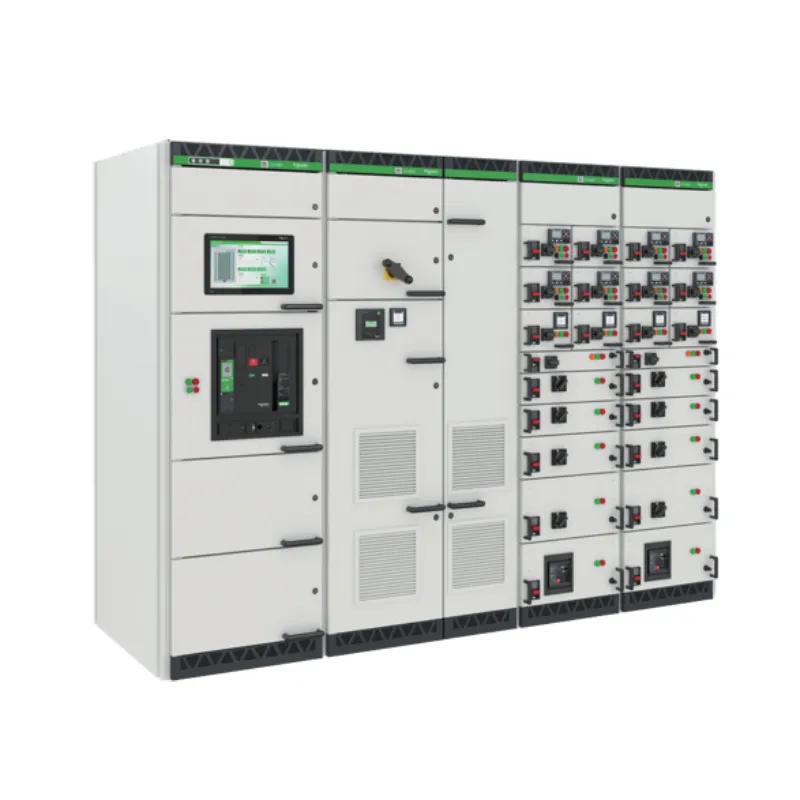
Understanding Heat Buildup in Electrical Cabinets
Common internal and external heat sources in electrical cabinets
The electrical cabinets we install daily deal with serious thermal challenges coming from inside and outside sources alike. Inside those cabinets, things like power supplies, motor drives, maybe around 15% gets lost as wasted heat during operation. Outdoors? The sun really packs a punch too. Surface temps on outdoor enclosures often jump about 20 degrees Celsius higher than what's surrounding them. And don't forget about all those industrial operations happening nearby either. Metal forging shops, chemical processing areas they radiate heat that affects our equipment. Put this all together and we're looking at thermal loads sometimes reaching over 500 watts per cubic meter in densely packed installations. That means proper thermal planning needs to start right at the design phase if we want reliable performance down the road.
Recognizing signs of overheating: From component stress to system failure
When equipment starts getting too hot, there are telltale signs like relays acting strangely, PLCs running slower than normal, and moisture building up inside from all the temperature changes. The real trouble comes when things get worse. We start seeing physical damage on components such as PCB boards showing brown spots where copper has oxidized, metal junction boxes that have lost their shape, and those capacitors that puff out like they're about to burst. Left alone, these problems lead to serious issues. Insulation resistance drops way below what it should be (around 1 million ohms is typical but we see it fall by about 70%) and contactors tend to fail much more often when exposed to constant heat. This means unexpected shutdowns become far more likely, costing companies time and money.
How ambient temperature affects electrical cabinet cooling efficiency
The efficiency of cooling systems really hinges on the temperature difference between what's inside the equipment and the air around it. As ambient temps go up past 25 degrees Celsius (which is about 77 Fahrenheit), natural convection just doesn't work as well anymore. For every 10 degree increase beyond that point, effectiveness plummets by roughly 35%. Things get serious when outside temperatures hit around 40 degrees Celsius (or 104 Fahrenheit). At this point, many sealed enclosures start pushing past the dangerous 55 degree mark (about 131 Fahrenheit), which marks the beginning of exponential increases in semiconductor failures. Because of these risks, active cooling solutions become absolutely necessary in regions with high temperatures or spaces that don't have good airflow.
Designing Durable Electrical Cabinets for Optimal Thermal Performance
Material Selection: Aluminum vs. Steel vs. Composite Enclosures
What kind of material we choose for enclosures really matters when it comes to how well they handle heat and last over time. Take aluminum for instance. It conducts heat at about 205 watts per meter Kelvin, which is roughly three to five times better than steel. This means aluminum can passively dissipate heat pretty efficiently, so it works great in things like HVAC control systems and those big solar farm installations. Now steel definitely has its place too because it's just stronger structurally, which is why many heavy industries still go with it despite the fact that steel only conducts heat around 45 watts per meter Kelvin. That lower number usually means extra cooling solutions are needed. Then there are composite options like fiberglass reinforced polyester. These materials resist corrosion really well and can take moderate heat, so they end up being good choices for tough spots where chemicals are present or out on offshore platforms where salt air would eat through other materials faster.
| Material | Thermal Conductivity | Durability | Best Use Cases |
|---|---|---|---|
| Aluminum | 205 W/m·K | Moderate | HVAC controls, solar farms |
| Steel | 45 W/m·K | High | Heavy machinery, industrial zones |
| Composite | 0.3–1.5 W/m·K | High | Chemical labs, offshore rigs |
IP and NEMA/UL Ratings: Matching Protection to Thermal Demands
Getting environmental protection ratings right is really about matching them to what the equipment actually needs for heat management. Take IP54 rated enclosures for instance they keep dust and water splashes at bay but still let air flow through naturally, which helps things cool down on their own. Then there are NEMA 12 cabinets that stop oils and coolants from getting inside while not completely blocking airflow either. These allow just enough convection to happen so components don't overheat. For situations where moisture or chemicals are a problem, UL Type 4X certified designs come into play. They incorporate special water repelling filters plus carefully positioned vents throughout the system. This setup keeps the internal temperature stable even when external conditions get tough, all while maintaining clean operating environments inside the enclosure. Many industrial facilities find this combination works best for their specific applications.
Innovative Designs for Natural Airflow and Heat Resistance
Cabinet designs today are getting smarter when it comes to passive cooling. Features such as perforated roofs, angled louvers, and components arranged in staggered positions work together to move hot air upwards and away from delicate electronic parts inside. According to research from ABB in their 2022 thermal study, this approach can actually drop internal temps anywhere between 8 and 12 degrees Celsius. Another key innovation involves thermally conductive polymer gaskets placed at all the seams. These special materials let heat escape but still keep out dust and moisture, which is really important for equipment used in solar farms or wind turbines located in harsh environments like deserts or tropical regions where temperature extremes are common.
Active Cooling Solutions for High-Heat Electrical Cabinet Applications
Using Cabinet Air Conditioners and Fans for Reliable Active Cooling
When dealing with extreme heat situations, active cooling setups typically mix cabinet air conditioners along with variable speed fans to keep things from getting too hot inside. These cooling units work pretty well even if the outside temperature goes above 45 degrees Celsius. They have those thermal sensors built in that constantly check what's going on and adjust how much air is moving through. The big advantage here is these systems don't run all the time like traditional ones do. Instead, they kick in only when necessary which cuts down electricity usage somewhere between 30 to 50 percent. That makes a world of difference for places like factories where machines generate lots of heat or for battery storage facilities where temperatures can jump around quite a bit depending on how much power is being stored or released at any given moment.
Closed-Loop Cooling Systems: Maintaining Cleanliness and Efficiency
Closed loop cooling systems help components last longer because they keep outside air out of the system. Rather than pulling in regular air from around them, these systems move heat through special heat exchangers inside and out. Research published last year showed that components in places like dusty industrial areas or near the coast can actually last about 40% longer when using this approach. The reason? Dust particles and saltwater mist don't get into the equipment where they could cause damage over time. This matters a lot for things like semiconductor manufacturing plants and oil rigs at sea, where equipment failure costs money and downtime.
Case Study: Preventing Equipment Failure with Active Thermal Management
One solar inverter maker cut unexpected downtime by almost four fifths when they installed this special hybrid cooling setup. The system combines those liquid cooled plates for the power components with regular cabinet AC units. What happened? Temperatures inside stayed a cool 22 degrees under what would cause problems even when everything was running flat out. No more heat damage to those delicate circuit boards means maintenance doesn't need to happen every six months anymore but can wait two whole years between services. Plus, all these changes still kept them within those important UL 508A safety requirements that everyone in the business has to follow.
Passive Cooling Strategies for Sustainable and Low-Maintenance Electrical Cabinets
Thermal Radiation, Convection, and Conduction in Passive Heat Dissipation
Passive cooling works mainly through three basic mechanisms. First there's radiation, when parts give off heat as infrared waves. Then comes convection, where hot air naturally rises and escapes through top openings in equipment. The third method is conduction, typically involving heat sinks made from metals like aluminum that pull warmth away from sensitive components. What makes passive systems so appealing is they don't require any mechanical parts or outside electricity sources. Despite this simplicity, most factories find these approaches sufficient enough to maintain acceptable operating temperatures. According to research published in Thermal Systems Journal last year, around eight out of ten industrial settings actually stay within safety margins using just passive techniques.
Maximizing Surface Area and Ventilation Without Compromising IP Rating
New design approaches help get rid of excess heat while still keeping things environmentally friendly. When cabinets have those wavy or fin-like walls, they actually create about 25 to 40 percent more surface area for heat to radiate away and move through convection. The louvers on these vents do double duty directing airflow but still hold up against dust and water according to those IP54 and IP65 ratings most people care about. Cable entry points that are perforated let hot air out without compromising the overall seal of the enclosure. Take aluminum enclosures as an example. When manufacturers place vents just right, temperatures inside drop anywhere between 8 and 12 degrees Celsius compared to regular solid steel options. This makes a big difference in how well equipment performs under load.
When to Choose Passive vs. Active Cooling in Demanding Environments
Passive cooling works really well in places where the surrounding temperature stays pretty steady below about 35 degrees Celsius or 95 Fahrenheit. It's also good for situations where each cabinet doesn't generate more than around 500 watts of heat, plus those setups that are located remotely or need minimal maintenance. When things get hotter than 800 watts though, or if temperatures fluctuate quite a bit outside normal ranges, then active cooling starts becoming essential. The same goes for applications that require very specific temperature control within just two degrees either way. Hybrid approaches provide something in between these extremes. They rely on passive techniques most of the time but kick in additional cooling components like fans or chillers whenever there's a spike in demand. This mixed method helps save energy while still maintaining proper operating conditions.
FAQ
What are the common indicators of overheating in electrical cabinets?
Signs of overheating include equipment acting strangely, slower performance, moisture build-up inside, physical damage on components like PCB boards, and capacitors swelling. Overheating can lead to decreased insulation resistance and component failure.
Why is material selection important in designing electrical cabinets?
Material selection impacts heat handling and durability. Aluminum dissipates heat efficiently due to its high thermal conductivity, making it suitable for HVAC systems and solar farms. Steel offers structural strength but requires additional cooling measures. Composite materials resist corrosion and manage moderate heat, ideal for harsh chemical environments.
What is the significance of IP and NEMA/UL ratings in electrical cabinet design?
Environmental protection ratings ensure cabinets can handle heat management needs. IP54 rated enclosures facilitate natural air flow, while NEMA 12 cabinets protect against oils and coolants. UL Type 4X designs are suited for moisture and chemical-heavy environments, maintaining stable temperatures.
How do passive cooling strategies work?
Passive cooling employs radiation, convection, and conduction without mechanical parts or external electricity. Typical methods involve heat sinks and strategically designed cabinets to maintain safe operating temperatures using natural heat dissipation.