EN
EN



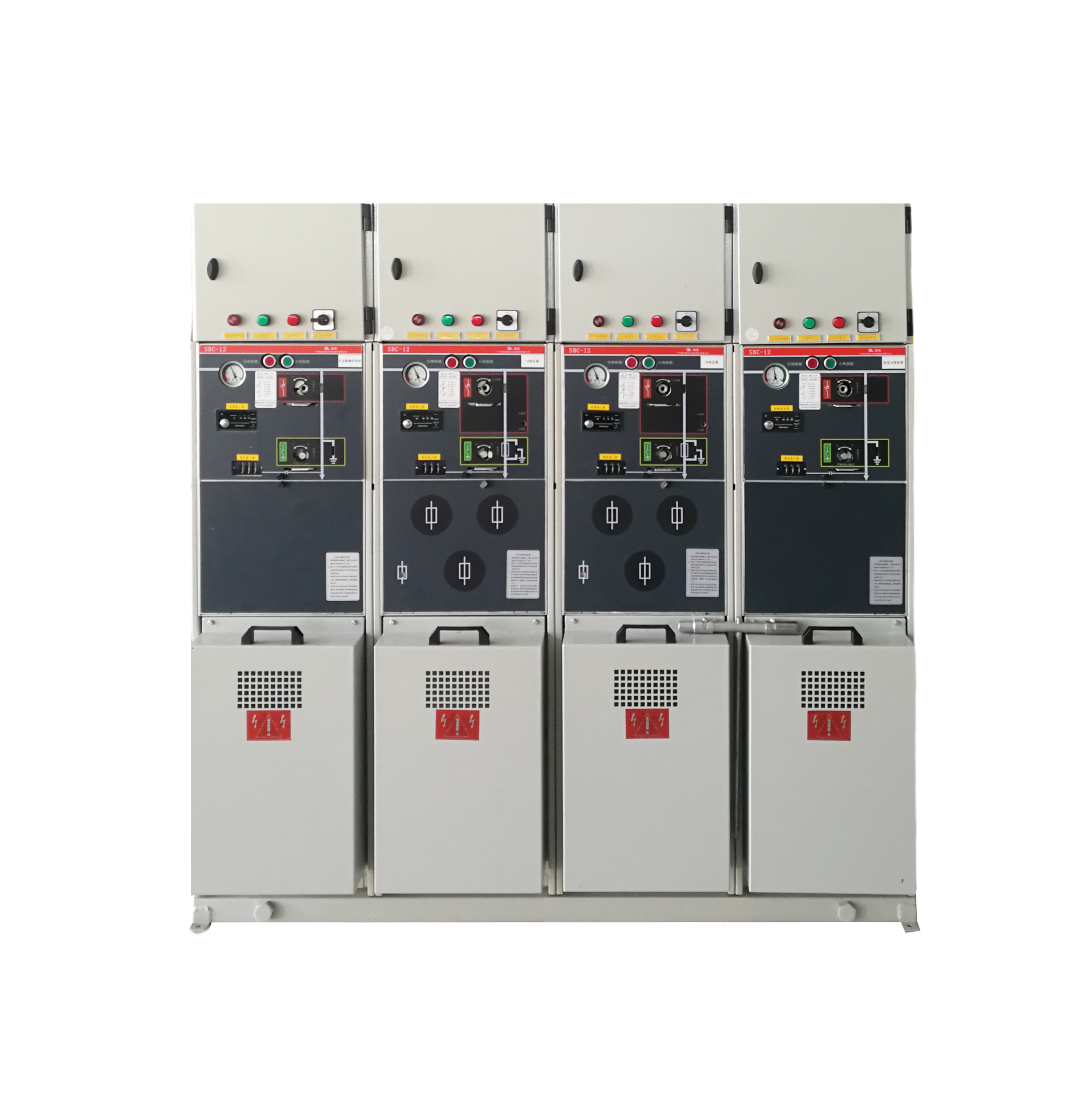
ለምን የኮምፓክት የሪንግ የመሰረት ክፍሎች ለዘመናዊ የከተማ የኤሌክትሪክ ሴቶች አስፈላጊ ናቸው
የከተማ የቦታ ገደብ እና የተስፋፋ የተከፈለ እና የተቃወምነት ያለው የኤሌክትሪክ እርዳታ ኢንፍራስትራክቸር ምልክት
እንደ ሰዎች ብዛት ወደ ከተሞች የሚገባው እየጨመረ መሄድ በማለት አሁን የዓለም የህዝብ ብዛት ከ половины በላይ በከተማዊ ክልሎች ውስጥ ይኖራሉ፣ የኤሌክትሪክ ኤነርጂ አቅርቦት ለማስቀመጥ ቦታ ማግኘት አስተዋጽኦአዊ ችግር ሆነ። የተለመዱ የኤሌክትሪክ ማቀነባበሪያ ጣቢያዎች በስፋት እንደ ፕላስቲክ የፍুটቦል መዳረሻ ያህል ቦታ ይወስዳሉ፣ ይህም በተሰበሰቡ የከተማ ክልሎች ውስጥ የመፈጸም አማራጭ አይደለም፣ በተለይም በእነዚህ ክልሎች ውስጥ የመሬት ዋጋ በ2023 ዓ.ም. የፖኔሞን ምርኮዝ የተሰጠው መረጃ መሰረት በአካር ላይ ስለ 740,000 ዶላር የሚደርስ ነው። በተጨማሪም፣ የአየር ሁኔታ አለመስተጋባትና የዲጂታል ሲስተሞች ላይ የሚደረገው የበለጠ የተመሰረተ የኤነርጂ አቅርቦት ስርዓቶች የሚያስፈልጉ ስርዓቶች አስፈላጊ ናቸው፣ እነዚህ ስርዓቶች ከተለያዩ ክፍሎች የሚከሰቱ ችግሮች ቢኖሩም በተቀጥሎ ለማገልገል ይችላሉ። በስነ-አየር ምክንያት የሚከሰቱ የኤነርጂ አቅርቦት ክስተቶች ብ alone በዓለም አቀፍ ኢኮኖሚ ውስጥ በአንድ ዓመት ውስጥ ስለ 150 ቢሊዮን ዶላር ኪሳራ ይሰጣሉ፣ ይህ በወርልድ ባንክ በላስተኛ ዓመት የተሰጠው መረጃ መሰረት ነው። ይህ የኤነርጂ አቅርቦት ኩባንያዎችን ወደ ትንሽ እና የበለጠ የተረጋጋሉ ስርዓቶች ያስገባቸዋል። የተዋሃዱ የሮንግ ማይን ዩኒቶች (Compact ring main units) እዚህ ላይ የумно መፍትሄ ናቸው። እነዚህ የሞጁላር መሳሪያዎች የከተማ አቀማመሶች ውስጥ በቀላሉ ይገኛሉ፣ ተጨማሪ ቦታ የሚያስፈልጉ ወይም የመንገዶችና የእጅግ ቀላል መንገዶች ላይ የሚያስከትሉ የማስተዋል ችግሮች የለባቸው።
የራይንግ ማይን አንድት ትክክለኛነት በከፍተኛ የመስታወት ጥቅም ያላቸው ከተማዎች ውስጥ የመሬት አቅርቦት አስቸጋሪነትን እንደገና እንዴት ያቀርባል
የራይንግ ማይን አንድቶች በብልጽ የሚያሳነው የመጠን ቅረጫ በመጠን የተገደቡ ቦታዎችን ይቋቋማሉ—በአጠቃላይ የስዊቻር ግიያር የሚሰራውን ቦታ ከ70% በላይ ያነሰ ቦታ ይይዛሉ። የጋዝ የተከበረ (SF6) እና የቫኩም የተቋረጠ ቴክኖሎጂዎች የተለያዩ ክፍሎችን ወደ የተዘረጋ እና የተሞጁ የተዋሃዱ ክፍሎች ያቀናብዳሉ፣ እነዚህ በቀድሞ ጊዜ አይጠቀሙም የነበሩ ቦታዎች ውስጥ መጠቀም ይቻላል፡
| የተጠቀመው ሁኔታ | የቦታ ጥቅም ያላቸው ጥቅሞች |
|---|---|
| የስተሽን የተሻሻለ ተካትቷ | 5 ወይም ከዚያ በላይ የቆረጠ የተከፋፈለ ካቢኔቶችን በአንድ ሮይንግ ማይን አንድት ይተካል |
| የቀጥታ የተዋሃዱ ስርዓት | በቤቶች የታችኛ ፎቅስ ወይም በተለየ የስራ ፎቅስ ውስጥ ይጫንጣል |
| በላይ የመሬት ቦታ ወይም በመስመር ላይ የሚገኘው ቦታ | በሥራ የሚገኘውን አየር ቦታ እንዲሁም በመንገዶች ስር የሚገኘውን የታችኛ አስተዳደር ቦታ ይጠቀማል |
ይህ ብቃት በተግባር የተረጋገጠ ነው፡ ሲንጋፖር የከተማ ገንታ የኤሌክትሪክ ኃይል አቅርቦት የሚያደርገው 80% በመሬት ስፍራ ስር የሚገኙ የሬንግ ማይን ኦነት (RMU) በመጠቀም ነው—የተለየ የ N-1 ተስፋ ያለው ስርዓት በመሬት ስፍራ ላይ ምንም ተጽዕኖ አያሳድርም። በመሬት ስፍራ ገደብ በመፍታት እና በተፈጥሯዊ መልኩ የሚሰጠውን የተረጋገጠ የአገልግሎት ተስፋ በማቅረብ ፣ የተዋሃሉ የሬንግ ማይን ኦነት (RMU) ለተዘረጋ እና የወደፊት የሚያስተዳድር የከተማ ኮንቱ የሚያስተዳድር የኤሌክትሪክ ስርዓት የሚገነቡበት የእውነተኛ መሰረት ናቸው።
የኢንጂነሪንግ ኢንኩቤሽን የሬንግ ማይን ኦነት (RMU) የተዋሃሉ መሆን የሚያስችሉ አዲስ አገልግሎቶች
በጋዝ የተከበሩ (SF6) እና በቫኩም የሚሰራ የስイቻ ቴክኖሎጂዎች ለመስመር ስፋት መቀነስ
ዘመናዊው የRMU ዲዛይን በዋናነት በሁለት ትላልቅ የቴክኖሎጂ እድገቶች ምክንያት መጠኑን በእጅጉ ለመቀነስ ችሏል፡ የSF6 የጋዝ መከላከያ እና የቫኩም መቀየሪያ ቴክኖሎጂ። የSF6 ዳይኤሌክትሪክ ጥንካሬ ከመደበኛ አየር የምናገኘው በሦስት እጥፍ ያህል ነው፣ ይህም ማለት ኮንዳክተሮች ቅስቶች ምን ያህል በጥሩ ሁኔታ እንደሚጠፉ ሳይነካቸው በጣም ቅርብ ሆነው ሊቀመጡ ይችላሉ። ይህም አምራቾች እነዚያን የማሸጊያ መጠኖች ከባህላዊ የአየር መከላከያ ስርዓቶች ጋር ሲነፃፀሩ በ40% እንዲቀንሱ ያስችላቸዋል። ከዚያም የቫኩም መቆራረጥ ገጽታም አለ። እነዚህ በመሠረቱ እነዚያን ትላልቅ የቅስት ሹቶች ሙሉ በሙሉ ያስወግዳሉ፣ ስለዚህ የመቀየሪያ ክፍሉ ራሱ ከበፊቱ ከነበረው 60% ያነሰ ቦታ ይወስዳል። ሲጣመሩ፣ እነዚህ ፈጠራዎች ለብዙ ዓመታት የአገልግሎት ዘመን የሚያስፈልግ ጥገና ማለት ይቻላል ዜሮ ነው። የፍርግርግ ኦፕሬተሮች እነዚህ ክፍሎች በኔትወርኮቻቸው ወሳኝ ክፍሎች ውስጥ ሲሰማሩ 99.98% የአስተማማኝነት መጠን እንዳዩ ሪፖርት ያደርጋሉ። እና ዋናውን ጥቅምም አንርሳ። በእነዚህ ሁሉ የብቃት ውጤቶች ምክንያት የህይወት ዑደት ወጪዎች ከ30-35% መካከል ይቀንሳሉ።
የሞዱላር ዲዛይን እና የተዋሃደ የማስከበር ስርዓቶች የሰውነት በረካታን ያሻሽላሉ የተጠበቀነትን በማያሳነስ ሁኔታ
የሪምოተብል ማይክሮ ሹቲ አገልግሎቶች (RMUs) በጣም በፍጥነት የሞዱላር ዲዛይን አቀራረቦችን ይጠቀማሉ። የተለየ የተዘጋጅች ቅርፀቶች እና የተዘጋጅች ቢስባር ክፍሎች እና በቀላሉ የሚገቡ የኤሌክትሪክ ተቃዳሚ ቅርፀቶች በተመሳሳይ መሰረታዊ ካቢኔት መጠን ውስጥ ለተለያዩ አፈታት የሚስተካከሉ ይቻላሉ። የአሁኑ ስርዓቶች የተዋሃደ የስማርት ሪሌዎችን ይጠቀማሉ፣ እነዚህ ሪሌዎች በቀላሉ የሙቀት ደረጃዎችን፣ የሜካኒካል ጭነትን እና የኤሌክትሪክ ሁኔታዎችን በቀጣይነት ይከታተላሉ፣ እና እነዚህ ስርዓቶች በ2 ሚሊሴኮንድ በላይ በጣም በፍጥነት ችግሮችን ይለያላሉ። እነዚህ የስማርት ባህሪዎች የዋናው ክፍል ውስጥ የተለየ የማስከበር ክፍል አያስፈልጉም፣ እ thereby የሚያስፈልጋቸውን የመሬት ቦታ በእያንዳንዱ አቀማጠር ከስንዴ ሜትር ስኩዌር በስድስት ስድስተኛ ክፍል ይቀንሳሉ እና ሁሉንም የIEC 62271 የተጠበቀነት ጥቅማጥቅሞችን ይሙላሉ። ይህ በተግባር ምን ማለት ነው? የቀድሞ ዲዛይኖች የሚያስገቡትን የኃይል capacity በኩል በተመሳሳይ አቀማጠር ሁለት ጊዜ ይጨምራል፣ ይህ የቆረጠ ስርዓት የሚገኝበት ቦታ በተለይ በተለያዩ የኤሌክትሪክ ትርኢቶች ውስጥ በተለይ በስራ አድርጎ የሚገኝበት ቦታ የለም ሲሆን የሚያስፈልጋቸውን ቦታ አይፈቅድም።
በተፈጻሚ ከተማ ውስጥ የሚከናወን እውነታዊ መተግበር: የሪንግ ማይን አሮስ አካላት የቦታ ትንሽ መጠቀም መተግበራት
በቶኪዮ እና በሲንጋፖር ውስጥ የተደረገ የተመቻቸ ግንባታ እና የሰሜን በር ስፍራ ላይ የሚደረገ ተስፋሕ
ቶኪዮ በኤሌክትሪክ ስተሽን ለማስቀመጥ ቦታ ማግኘት የሚያጋልፀው እጅግ ትልቅ ችግር አለው፣ ምክንያቱም በዚህ ከተማ ላይ የመሬት ቦታ በእጅግ ያነሰ ነው። በትራዲሽናል መሳሪያዎች በምትገለጽበት የሚጠቀሙ የማለፊያ ማሽኖች (RMUs) በአጭር ድረስ ሆኖ ተካተተው፣ የከተማ ዲዛይነሮች በግምት 60% የሚሆን የቦታ አጠቃቀም ማቀነስ ይችላሉ። ይህ የሚገኘውን የመስመር አገልግሎት በትክክል እንዲሰራ ያስችላል፣ ሳይሆን ማንኛውም አዲስ አገልግሎት ማስገንባት ያስፈልጋል። በዓለም ዙሪያ በሲንጋፖር ደግሞ ተመሳሳይ አቀራረብ ተከተለዋል፣ በተለይም በበርካታ የንግድ አካባቢዎች ውስጥ የ RMUs መሳሪያዎች በሰደፍ ላይ ተከታታይ ተከታተለዋል። ይህ የሰደፍ ላይ የተገነቡ መሳሪያዎች በከፍተኛ የሕዝብ ጥምረት ያሉ ክልሎች ውስጥ የኤሌክትሪክ ፍላጎት ሁሉን ያሟላሉ፣ ስለዚህ በመሬት ደረጃ ላይ አዲስ ኤሌክትሪክ ስተሽን ማስገንባት አያስፈልግም፣ ይህም በጣም የሚያስፈልጋቸውን የרחוב ቦታዎች ያስቀመጣል። የእኛ የሚያዩት እዚህ የሞጁላር መሳሪያዎች በሰደፍ ላይ፣ በታች የሚገኙ የማገናዘብ ቦታዎች እና በስራ ላይ የሚገኙ ቱነሎች የሚገኙ ቦታዎችን ወደ የኤሌክትሪክ ስርዓት አገልግሎት የሚያገለግሉ ክፍሎች አድርጎ ያቀናቻሉ።
በከፍተኛ ቤቶች እና በንግድ የስራ ልዩ ድብልቅ ቤቶች ውስጥ የቀስት የማጣመር
በዚህ ጊዜ ፣ የሶፍትወር አስተዳዳሪዎች በከፍተኛ ቤቶች ውስጥ የኤሌክትሪክ አቅልቦት ቱቦዎች ውስጥ የ RMUs እንደ vertical (ቀጥታ) መጫን ጀምሩ ፣ ይህም በባዝመንት ውስጥ የሚያስፈልገውን የኤሌክትሪክ ቦታ በናሙና አርባ በመቶ ያቀንሳል። ብዙ ተከላካይ የሆኑ የግብረ መልስ የንግድ ቤቶች ለሚኖሩባቸው ብዙ ተከላካዮች የ RMUs መጫን የሚያስችለው የሚያስፈልገውን ስፋት በቀላሉ ለማስፋት ነው። በንግድ እየጨመረ እና የኤሌክትሪክ ፍላጎቶች እየተለዱ በሚሄዱበት ጊዜ በቀላሉ ተጨማሪ የኤሌክትሪክ ዳይረክሽን ወይም ተጨማሪ የመከላከያ ክፍሎች ማከል ይቻላል። የእነዚህ ቀጥታ መጫን ዋና ጥቅም የመሬት አቅራቢያ የተገደበ ችግርን አጠፋ የሚያስችለው ነው። በዋና ምድር ላይ የሚገኘውን የገጽታ ቦታ በመጣል ማግኘት አያስፈልግም፤ የገንዘብ ሰው በቀላሉ ከላይ ወደ ላይ ሲሰራ የኤሌክትሪክ አውታረመረብ ከመገንባቱ በፊት እስከ መጨረሻ ድረስ የበለጠ የተረጋገጠ ይሆናል።
የከተማ አውታረመረቦችን የሚያስተዳድሩ የማይለወጥ የ Ring Main Unit አርክቴክቸር በማቅረብ
ከፍተኛ የከተማ የኤሌክትሪክ የኃይል ማቅረቢያ ስርዓቶች በየቀኑ ከባድ ይሆናሉ፣ ምንም እንኳ የሕዝብ ቁጥር እየጨመረ እንደ መሆኑ፣ ሁሉም ነገር እየኤሌክትሪካዊ ሆነ እንደ መሆኑ እና የዲጂታል አገልግሎቶች በየጊዜው ተጨማሪ ኃይል የሚፈልጉ እንደ መሆኑ። ይህ ምክንያት ነው የእኛ የኃይል አቅርቦት አስተዳደር ስርዓት ለማራዘም በአንድ ጊዜ የማይቆረጥ ሲሆን በአንድ አንድ ክፍል ሲጨመር የሚቻል የሆነ አሰራር ያስፈልገን የሚሆነው። የሚስፋፋ የRMU ዲዛይኖች በመደበኛ ሞጁላር ክፍሎቻቸው የኤሌክትሪክ አቅርቦት ኩባንያዎች በቅደም ተከተል ማሻሻል እንዲችሉ ያስችለዋል፣ ስለዚህ ችግሩን በጣም በተሳካ ሁኔታ ይፈታሉ። የአዲስ የጠበቀ መሣሪያ መጨመር ይፈልጋሉ? በቀላሉ ያስገቡት። የተሻለ ምልክት ማስተዋወቂያ ያስፈልጋሉ? የእነዚህ ሳንሰሮችን በተስማሚው ቦታ በቀላሉ ያስገቡ፣ ሙሉውን ስርዓት ማስወገድ ያስፈልጋል የሚል አስፈላጊነት የለም። ይህ አቀራረብ ትልቅ ኢንቨስትመንቶች ላይ የሚከሰት ወጪን ይቀንሳል፣ እንዲሁም በስራ ላይ የሚገኘውን የኤሌክትሪክ አቅርቦት በስራ ላይ ይቆያል፣ ስለዚህ የከተማ እቅድ የሚያደርጉ ሰዎች በጣም ይከብራሉ፣ ምን እንደ የተረጋገጠ የኤሌክትሪክ አቅርቦት ለኢኮኖሚያዊ ሥራ ቀጣይነት አስፈላጊ ነው። የሞጁላር አቀራረቡ እንዲሁ የፀሀይ ኃይል አቅርቦት እና የኤሌክትሪክ መኪና (EV) ማጥፊያ ጣቢያዎችን በቀላሉ ማከል ያስችላል። የፀሀይ ኃይል ማቅረቢያ እና የኤሌክትሪክ መኪና ማጥፊያ ጣቢያዎች በተለየ ክፍል የRMU ውስጥ በቀላሉ ማገናገን ይቻላል፣ በተ против የከተማ ሙሉውን ስተሽን ከፍተኛ ወጪ የሚያስከትል ማሻሻል አያስፈልግም። ከዚህ የአንድ ነጥብ የሚከለከል ችግር የሌለበት ጊዜ፣ የከተማ የኤሌክትሪክ ስርዓቶች በከተማዎች ጋር በተመሳሳይ ይጨምራሉ፣ እና ከተማው በየጊዜው የሚያዳምጥ እና የሚቀየር አካባቢዎች እንዲገነባ ይቻላል።
የተደርጉ አይነቶች (FAQ)
የተሰበስቡ የሬንግ የዋና ክፍል ክፍሎች ምንድን ናቸው?
የተሰበስቡ የሬንግ የዋና ክፍል ክፍሎች የተለያዩ የቴክኖሎጂ ዘዴዎችን የሚጠቀሙ የሞጁላር መሳሪያዎች ናቸው፣ ይህም በከተማዎች ውስጥ በተመጣጣኝ የኃይል ድርጅት ማቅረብ ያስችላል የበለጠ መሬት አያስፈልግም እና የገንዘብ ጥፋቶችን አያስከትልም።
የተሰበስቡ የሬንግ የዋና ክፍል ክፍሎች በከተማዎች ውስጥ ያሉ የቦታ ገደቦችን እንዴት ያስተካክላሉ?
የተሰበስቡ የሬንግ የዋና ክፍል ክፍሎች በአጠቃላይ የተለመዱ የስዊቻር ግርድሎች የሚሰሩባቸውን ቦታ ከ70% በላይ ያቀነሱ ናቸው፣ ይህም በከተማዎች ያሉ የቦታ ገደቦች ያሉ ቦታዎች ውስጥ ለመጠቀም በጣም ተስማሚ ነው።
የሬንግ የዋና ክፍል ክፍሎችን የሚያሳድሩ የቴክኖሎጂ ዘዴዎች ምንድን ናቸው?
የሬንግ የዋና ክፍል ክፍሎችን የሚያሳድሩ ሁለቱ ዋና የቴክኖሎጂ ዘዴዎች የጋዝ-የተከለከሉ (SF6) እና የቫኩም-ስዊቻር ዘዴዎች ናቸው።
በሬንግ የዋና ክፍል ክፍሎች ውስጥ የሞጁላር ዲዛይኖች የሚሰጡ ጥቅሞች ምንድን ናቸው?
በሬንግ የዋና ክፍል ክፍሎች ውስጥ የሞጁላር ዲዛይኖች የተለያዩ የማስተካከል አማራጮችን፣ የቀንሳ ጥገናን እና የተሻሻለ የኃይል ችሎታን ያስተዳድራሉ የደህንነት ደረጃዎችን በማያጠፋ ሁኔታ በማቅረብ ነው።
የሬንግ የዋና ክፍል ክፍሎች ከተማዊ የኃይል ዳታ ሳርቭስ ስርዓቶችን ለወደፊት የሚያስተካክሉ እንዴት ይረዳሉ?
የአርኤምዩዎች (RMUs) የኃይል እንቅስቃሴ ፍፁም ማሰናዳት በደረጃ ማድረግ፣ የተሻሻለ የኃይል ምንጭ ማዋሃብ እና ትላልቅ የመቀየር ሂደቶች የሌለባቸው በከተማ ግrowth መከተል የሚያስችሉ ነው።