EN
EN



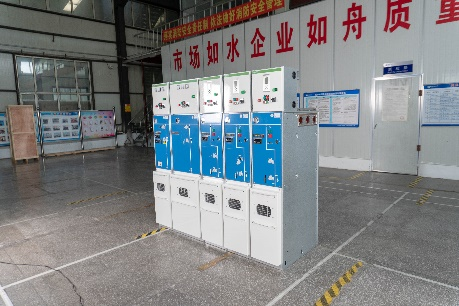
የከተማ የግሪድ ጥያቄዎችን እና የሪንግ ማይን አንድት የሚፈልጉ አስፈላጊነቶችን ማስተዋል
ከፍተኛ የግዛት የጭነት አቀማመሶች እና የዲናሚክ የרשת ቅርፃት ገደቦች
የኃይል አቅርቦት በሰው እና የንግድ ሰዎች በጣም በፍጥነት የሚሰብስቡበት በከተማዎች ውስጥ በጣም የተደረደረ ይሆናል። የኤሌክትሪክ ጥያቄው ሁሉንም ጊዜ እየጨመረ እና እየቀነሰ ነው፣ በቢሮዎች ተከፈለው በመሆኑ በከፍተኛ ደረጃ ይደርሳል እና በሌሊት በጣም ትንሽ ይቀነሳል። የራይንግ ማይን አንታዎች፣ ወይም በአጭሩ RMUs፣ ይህንን ሁሉ የውሃ ለውጥ ሳይቆፀል ማስተዳደር አለባቸው፣ ምንም ሰውንም ከኃይሉ ማገናዘብ የለበትም። በከተማ አካባቢ የኃይል አቅርቦት በተቻለ መጠን በጣም ትልቅ ነው - በላስተዋል የፖኔሞን ማዕከል የተደረገው በላስተዋል የተደረገው ጥናት መሰረት በአማካይ ሰባት መቶ አርባ ሺህ ዶላር ይሆናል። ስለዚህ የእነዚህ RMUs ትክክለኛ አቀማመጥ በጣም አስፈላጊ ነው። የሐኪማን በዚህ ላይ የሚያጋጥሙት ብዙ ጫናዎች አሉ። የራስ-ሰር ሲስተሞችን ማስተዳደር አለባቸው ይህም የኤሌክትሪክ ማስተላለፊያ ሲስተም ውስጥ የተለያዩ ክፍሎች መካከል ኃይልን ይቀይራል፣ እና የተከፋፈለ የቮልቴጅ መቀነስ አይፈጥርም። ከዚያ የፒቪ ፓነሎች ወደ ሲስተሙ ኃይል እየላከ ነው፣ ይህም በመጀመሪያ የተዘጋጀው የዲዛይን አካል አልነበረም። እና የመጨረሻው፣ የרשת ቅርጽን በአሁኑ ጊዜ በ x ሳይን ባህሪ ማስተካከል የሚችሉ ማስተካከያ ማሽኖች አሉት፣ ምንም ሰው በአካል ወደ ቦታው ሄደው ማስተካከል አያስፈልጉም።
ከባድ የአካል አካላት ሁኔታዎች: ብክለት፣ ረጅምነት፣ የሙቀት መጠን እና የቦታ ገደብ
በከተማዎች ውስጥ የተጫንነው የኤሌክትሪክ ማስተናገድ መሳሪያ (ስዊቺየር) በጊዜ የሚቀየር የመደበኛ መሳሪያ ጥቅም ላይ የሚውል ጥሩ የአካባቢ አደጋዎችን ይጋለጣል። ከፋብሪካዎች የሚወጣው አፈር በኢንሶላተሮች ላይ የሚቀረብ የኤሌክትሪክ ማስተላለፊያ አሰራር የሚያስከትል የደንግ የኤሌክትሪክ ቅስቀስ (ፍላሽኦቨር) እድሉን ይጨምራል። ይህ አፈር ከአየር ውስጥ የተለመደው ማዕድን እና ከታች የሚገኙ ቱነሎች እና ከላይ የሚገኙ የገዳማ አካባቢዎች መካከል የሚከሰቱ የሙቀት ለውጦች ጋር በማዋሃድ የኢንሶሌሽን ቁሳቁስ ላይ የቆርሮዥን እና የማጠናቀቂያ ሂደትን ያፋጣል። ሪንግ ማይን ኦኑትስ (RMUs) ይህን ጥፋት ለመቋቋም የተዘጋጁ ናቸው፤ ይህም የብረት ማስቀመጫ የሚከላከል የተዘጋጀ መያዣ (ከIP67 በላይ የተገለጸ)፣ የውሃ ተጽእኖ የማያሳድር የኢንሶሌሽን ስርዓት፣ እና የ transformer boxes ወይም ከታች የሚገኙ የማዕድን ክፍሎች ውስጥ በቀላሉ የሚገቡ የትኩረት መጠን አላቸው። በ2022 ዓ.ም. የIEEE የተለቀቀው የምርምር ሪፖርት የጋዝ የተሟላ የሪንግ ማይን ኦኑትስ (gas insulated RMUs) በባህር ጎን አካባቢዎች ውስጥ የአፈር ምክንያት የሚከሰቱ የስዊቺየር የስራ አለመስተካከል እድልን በ9/10 ያቀንሳል። ቦታ ማэкономያ እንዲሁ በጣም አስፈላጊ ነው፣ ምክንያቱም የአዲሱ ሞዴሎች የቀድሞው የስዊቺየር መሳሪያ በመጠኑ ከ половина በታች ቦታ ይወስዳሉ እና በስህተት ወቅት ተመሳሳይ የኤሌክትሪክ ጭነት ማስተናገድ ይችላሉ።
የራይንግ ማይን አንድት የፈጠራ ስራ ለመገምገም ዋና የቴክኒካል የስፔሲፊኬሽን ተግባር
ቮልቴጅ ክላስ፣ ጅረት የተሰጠው እና የሙቀት ግማሽነት በሚዲየም-ቮልቴጅ የከተማ እን፧ዎች
ትክክለኛውን የቮልቴጅ ደረጃ መምረጥ፣ አብዛኛውን ጊዜ ከ11 እስከ 33 ኪሎ ቮልት ለከተማ የኃይል መስመሮች፣ ሁሉም ነገር ቀድሞውኑ ካለው ጋር በተቀላጠፈ ሁኔታ እንዲሰራ ያረጋግጣል። አሁን ያለው ደረጃ ከታሰበው በላይ መሆን አለበት ሰዎች ብዙውን ጊዜ ይህን ችግር ያጋጥማቸዋል፤ ይህም መሣሪያዎቹ ቶሎ እንዳይሰሩ ያደርጋቸዋል። የሙቀት መቋቋምም እንዲሁ አስፈላጊ ነው። የኤሌክትሪክ መከላከያዎች በተለያዩ የቴክኒክ ጥበቃዎች መሠረት በመካከለኛ ቮልቴጅ አውታረመረቦች ውስጥ ከሚከሰቱት ችግሮች መካከል 4ቱ ከ10ቱ የሚሆኑት ከሙቀት ጋር የተያያዙ ናቸው። የመሣሪያ አማራጮችን ለሚመለከቱ መሐንዲሶች በተለይ በተፈጥሮው የአየር ዝውውር ደካማ በሆነባቸው የመሬት ውስጥ ማቆሚያ ጣቢያዎች ላይ በተለይ ለባስ ባር የተገነባ የሙቀት መቆጣጠሪያ እና ጥሩ የሙቀት ማሰራጫ ባህሪዎች ባሉባቸው ስርዓቶች ላይ ማተኮር አስፈላጊ ነው ።
የቀላል የኤሌክትሪክ ዳግም የተቃወም አቅም እና የጉዳት ደረጃ ተስማሚነት
የከተባዊ የኤሌክትሪክ እርዳታ ሥርዓቶች ውስጥ የውሃ ተፈላጊ የሚፈልጉ የአሁኑ ጊዜ በጣም ከመደበኛው በላይ ሆነው ይገኛሉ፣ አንዳንድ ጊዜ የרשת በጣም በፍጥነት የተገናኘ በሆነ ምክንያት 25 kA በላይ ይሆናሉ። የራይንግ መን አንስ (RMU) የሚለው የኤሌክትሪክ መሳሪያ የተቀላቀለ የአሁኑ ጊዜን ማስተካከል ችሎታ በአካባቢው የተወሰነውን የሚያሟላ ወይም ከእሱ በላይ መሆን አለበት። ከዚህ ያነሰ ከሆነ፣ የውሃ ተፈላጊ አደጋ በተከሰቱ ጊዜ አስቀድሞ የተገለጸውን አደጋ ማስከናወን ይችላል። በዚህ ምክንያት የሚከተሉት ትኩረት የሚሰጠው ምርጫዎች ማድረግ አለባቸው። በመጀመሪያ፣ የመሳሪያው የማይተመሳሳይ የአሁኑ ጊዜን (ለምሳሌ በከተማ ዋና ክልሎች ውስጥ አካባቢ 63 kA) ማቋረጥ ችሎታ የሚኖረውን ማረጋገጥ አለብን። ከዚያም የኤሌክትሮማግኔቲክ ኃይሎች ስር የመሳሪያው ቋሚነት የሚቆያ ወይም አይቆያ የሚሆነውን ማረጋገጥ አለብን። እና በመጨረሻ፣ የውሃ ተፈላጊ መስዋዕት የሚያሳዩ መሳሪያዎች በፍጥነት የሚሰሩ እንደሆነ ማረጋገጥ አለብን፣ በተመሳሳይ በአካባቢ 20 ሚሊሴኮንድ ውስጥ። ከዚህ ሁሉ ውስጥ አንድ የሚያሳነስ መሳሪያ በከፍተኛ የኤሌክትሪክ ሥርዓት ውስጥ የተከሰቱ ችግሮች በሶስት ጊዜ የበለጠ የሚከሰቱ እድሎችን ያስከትላል። ማንኛውም አዲስ መሳሪያ ለመግዛት በፊት፣ በመጀመሪያ ለተወሰነው የማስተካከል ቦታ የተዘጋጅተውን የውሃ ተፈላጊ ጥናት ሪፖርት ማየት አለብን።
ለከተማዊ የራይንግ ማይን አንድት ተስተካክሎች ስርዓቶች ትክክለኛውን የሙቀት መከላከያ ቴክኖሎጂ መምረጥ
SF₆ ጋዝ-የተከላከለ፣ ጥብቅ-የተከላከለ፣ እና አየር-የተከላከለ የራይንግ ማይን አንድት ተስተካክሎች፡ በፍልሶች፣ ደህንነት እና የመገንባት ሥራ መካከል ያሉ የተለያዩ ጥቅሞች እና ጥፋቶች
በከተማ አካባቢዎች ውስጥ የሪንግ ዋና አሃዶች (RMUs) ሲመጡ ትክክለኛውን መከላከያ መምረጥ በጣም አስፈላጊ ነው ። ሶስት ዋና ዋና አማራጮች አሉ: SF6 ጋዝ የተለዩ, ጠንካራ የተለዩ, እና የአየር የተለዩ ስርዓቶች, እያንዳንዳቸው የራሳቸው ጥቅሞች እና ጉዳቶች አሏቸው. ጋዝ የተለዩ RMUs አነስተኛ ቦታ ይወስዳሉ ፣ ይህም በጠባብ የንዑስ ጣቢያ አካባቢዎች ውስጥ በጣም አስፈላጊ ነው ። በተጨማሪም በኤስኤፍ 6 ጠንካራ የመከላከያ ባህሪዎች ምክንያት ከኤሌክትሪክ ቅስት በተሻለ ይከላከላሉ ። ይሁን እንጂ አንድ ችግር አለ። እነዚህ ክፍሎች ለጋዝ ልዩ አያያዝ ያስፈልጋቸዋል እና ተቆጣጣሪዎች ስለ SF6 የበለጠ ጥብቅ እየሆኑ ነው ምክንያቱም ለአከባቢው በጣም መጥፎ ስለሆነ (ከ CO2 በ 24,300 እጥፍ የከፋ ነው) ። ጠንካራ የተከላካይ ሞዴሎች እንደ ኤፖክሲ ወይም ቴርሞፕላስቲክ ያሉ ቁሳቁሶችን እንደ መሰናክል በመጠቀም የግሪንሃውስ ጋዝ ችግሩን ሙሉ በሙሉ ይፈታሉ ። ከኤር ኢንሱሌሽን ስሪቶች በ 40% ያነሱ ናቸው ፣ ግን አሁንም የአየር ሁኔታን ለመቋቋም IP67 ደረጃዎችን ያሟላሉ ። መደበኛ ጥገና የማያስፈልጋቸው መሆኑ ለስማርት ከተማ የኃይል አውታሮች በጣም ጥሩ ያደርገዋል ፣ ምንም እንኳን ጭነቶች ከ 630 አምፔር በላይ ለረጅም ጊዜ ሲቆዩ ቢታገሉም ። አየር የተለዩ ክፍሎች ቀድሞውኑ ርካሽ እና አካላዊ ጠንካራ ሊሆኑ ይችላሉ ፣ ግን በመጫን ወቅት ከ 60 እስከ 80% ተጨማሪ ቦታን ይበላሉ። በተጨማሪም እንደ የባህር ዳርቻ ከተሞች ባሉ ቦታዎች እርጥበት የጨው መርጨት እና ሌሎች ብክለቶችን የሚያመጣባቸው ቦታዎች በፍጥነት ይረክሳሉ። ጥገናን በተመለከተ የኤስኤፍ 6 ክፍሎች በተለምዶ በየሁለት ዓመቱ የሚፈሰሱበትን ነገር የሚፈትሽ ሰው ይፈልጋሉ ። የፀሐይ ብርሃን ማብራት የሚቻለው እንዴት ነው? የሙቀት መቻቻል ሲታይ ፣ ጠንካራ የተከላከሉ ክፍሎች ሙቀቱ 65 ዲግሪ ሴልሺየስ ሲደርስ እንኳን በትክክል መስራታቸውን ይቀጥላሉ ፣ ይህም በ 15 ውስጥ ከ ZWU የቅርብ ጊዜ የሙቀት ሙከራዎች መሠረት በአየር በተከላከሉ አቻዎች ላይ የ 2024 ዲግሪ ጥቅም ይሰጣቸዋል ።
በሪንግ ዋና አሃድ ስርጭት ውስጥ አስተማማኝነትን እና ስማርት ግሪድ ውህደትን ማሻሻል
የተዋሃዱ የአደጋ ጾታ ጥበቃ ባህሪያት: የክስተት መስተዳድር አሳያ, የሞተር የተሰራ ማሽነሪ ማስተካከያ, እና SCADA/IEC 61850 የተዘጋጅተው
የዛሬ የሪንግ ማይን አሮስ (RMU) በማሽነሪ ጥገና የሚሰራ የተለያዩ የደህንነት ቴክኖሎጂዎች ይዘዋል፣ ይህም የከተማ የኤሌክትሪክ ስርዓቶችን ከውድቀቶች ያስከብረዋል። ለምሳሌ የፍالتز መስተዳደሪያ አመጣጥ (FPI)። ይህ ስርዓት በፍጥነት የፍالتز ቦታውን ይገልፃል፣ ይህም የኤሌክትሪክ አቅርቦት ክስተቶችን በጣም በቀላሉ እና በፍጥነት ማስወገድ ይቻላል፣ ምክንያቱም የትካሄላ ቡድኖች በትክክል የሚያስፈልጋቸው ቦታዎች ላይ ብቻ ይሰራሉ። ከዚያም የሞተር የተቆጣጠረ የስዊቺንግ ስርዓት አለ፣ ይህም የኦፕሬተሮችን የእነዚህ አሮስ ቁጥሮችን በሩቅ ማስተዳደር ይፈቅዳል፣ ስለዚህ የሰው ልጆች በአደጋዎች ሲነሱ ወይም በሌሎች አደጋዎች ሲነሱ ወደ አደጋዎች የሚያስገቡ ቦታዎች ላይ ማስገባት አያስፈልግም። SCADA ስርዓቶች ከ IEC 61850 ደንቦች ጋር በተገናኙ በመሆኑ የተለያዩ የרשת ክፍሎች መካከል በአሁኑ ጊዜ የሚከሰቱ መረጃዎችን በጋራ የሚጠቀሙ የቋንቋ ፕሮቶኮሎች በመጠቀም ይשתף ያደርጋሉ። ይህ ምን ማለት ነው? በእውነቱ የሪንግ ማይን አሮስ (RMU) አሁን የተለየ የተገናኘ አካል ብቻ አይደሉም፣ እነዚህ በአጠቃላይ የኤሌክትሪክ ስርዓት አካል ውስጥ የተገናኘ የስሜት መስክ ናቸው። በሁሉም እነዚህ የተገናኘ ስርዓቶች በመኖራቸው የኤሌክትሪክ አቅርቦት ኩባንያዎች የአስተዳደር ችግሮችን በቅድሚያ ማወቅ፣ በአንድ ጊዜ የተለያዩ የተሰራጨ ነጥቦችን በተሻለ ማስተዳደር እና በስርዓቱ ውስጥ አንድ ነገር ቢከሰት በራስ-ሰር የጭነት መስተዳደር ማድረግ ይቻላል።
| ባህሪ | አስተማማኝነት ላይ የሚኖረው ተጽዕኖ | የስማርት ግሪድ ጥቅም |
|---|---|---|
| FPI | የአቃጠል ዘመን በ 2% ይቀንሳል | የጥፋቱን ቦታ በፍጥነት ማለፍ ያስችላል |
| ሞተር የተሰራ ክስተት | የእጅ አገልግሎትን በ 90% ይሰርዛል | ከудал የግሪድ አፈጻጸም ያስችላል |
| SCADA/IEC 61850 | 2.5 ሚሊሴኮንድ መልስ ጊዜ ያስችላል | የተለመደው የኤሌክትሪክ አቅርቦት ተግባራዊነት ይቀረጻል |
እነዚህ የፍንክሽን እድሎች የከተማ የራስ-መገንባት የኤሌክትሪክ አገልግሎት ሳይስተሞችን ያደርጋሉ፣ የአገልግሎት መቆፈር ጊዜን ያሳካሉ እና የኤሌክትሪክ አቅርቦት ስርዓቶች መካከል ያለውን የተዋሃድ ችሎታ ያሻሽላሉ—የተሰጠው የተከታታይ የአገልግሎት ማስተዳደር ስትራቴጂያን ለመተግበር የኦፕሬተሮችን አቅም ያሳድጋሉ፣ ይህም የተጠቀም ወጪን ያቀንሳል እና የስርዓቱን ዕድሜ ያድጋል።
ተደጋጋሚ ጥያቄዎች
ሪንግ ማዕከላዊ አሣራ (አርኤሙ) ምንድን ነው?
RMU የኤሌክትሪክ አቅርቦት ውስጥ የሚጠቀሙ የኤሌክትሪክ መሣሪያ አይነት ነው። ይህ በመካከለኛ የቮልቴጅ የኤሌክትሪክ አገልግሎት ሳይስተሞች ውስጥ ይጠገብላል ለመንስኤ ለውጦችን ማስተዳደር እና የተረጋጋ የኤሌክትሪክ አቅርቦት ለማስረከብ የሚያስችል በማንኛውም የአገልግሎት ውስብስብነት ውስጥ።
ለምን ነው የኢንሶሌሽን ቴክኖሎጂ በከተማ ውስጥ የተጠቀመ የ RMU ስቲሽኖች ውስጥ አስፈላጊ?
በከተማ አካባቢዎች ውስጥ ቦታ እና የአካባቢ ሁኔታዎች ትልቅ ጉዳዮች ናቸው። የኢንሶሌሽን ቴክኖሎጂ የ RMU ስቲሽኖች ለሚያስፈልጉ ቦታ ማስተዳደርን ያስችላል እና ከእንፀባቂነት እና ከሙቀት ለውጦች ጋር የሚያስተዳደር የጤና ጥበቃን ያስተላልፋል፣ ይህም የ RMU ዕድሜን እና የአፈፃፀም አቅማን ያሻሽላል።
በ RMU ውስጥ የስህተት አፈስ አሳያ (FPI) መዋሃድ ምን ጥቅሞች አለው?
የFPI ስርዓቶች የጎዳን ቦታዎችን በፍጥነት ማግኘት ይፈቅድልናል፣ ይህም የውጤት አቋረጫ ጊዜን ያቀናብራል እና የማኅበረሰብ የኤሌክትሪክ ስርዓቱን የተመሳሳይነት ደረጃ ያሻሽላል። ይህ የአገልግሎት ቡድኖች ችግሮችን በፍጥነት እና በከፍተኛ ብቃት ለመፍታት ያስችለዋል።