 ×
×
Good substation planning starts with looking at electrical loads and figuring out fault levels first thing. These studies tell engineers what kind of equipment they need to specify and how to set up protection systems properly. When designing substations, engineers have to think about current demand but also plan ahead for when loads will grow over time. System stability is another big concern during faults, so this needs careful consideration. Choosing the right voltage levels matters too. They should match what's already in place on the transmission side while leaving room for expansion down the road. Mechanical designs can't ignore environmental stuff either. Things like earthquakes and whether technicians can actually get inside for maintenance checks are important parts of making sure everything runs reliably for years. Most experienced planners know that trying to save money upfront often backfires if it means compromising on reliability. After all, nobody wants their lights going out because someone cut corners on the design phase.
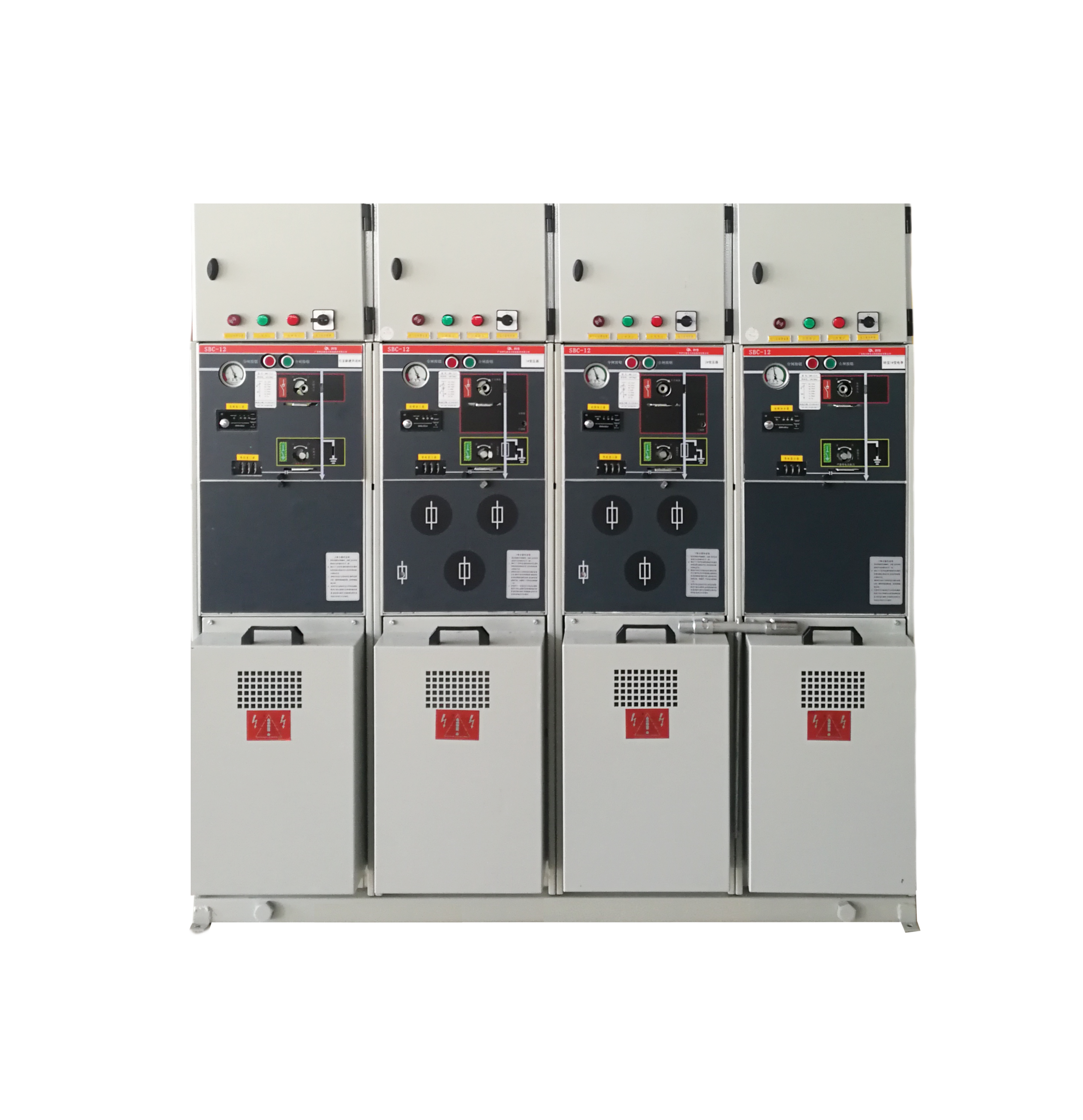
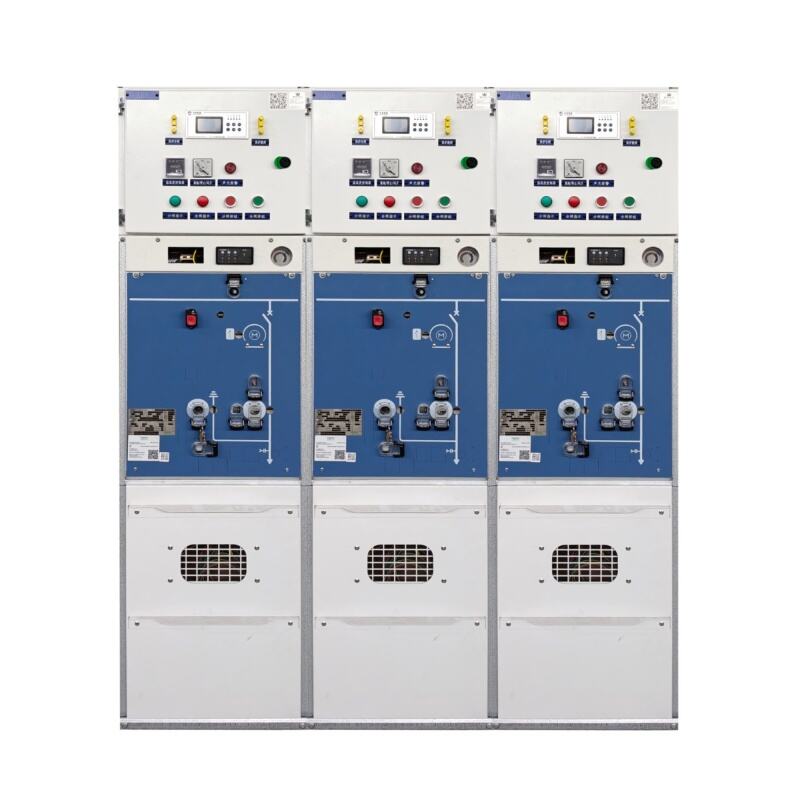
Choosing between Gas Insulated Switchgear (GIS) and Air Insulated Switchgear (AIS) isn't just another technical decision—it affects everything from environmental impact to how reliably equipment will run day after day. GIS takes up way less room than traditional options, which makes sense for cities or places where there's simply no extra space to spare. These systems hold up better against tough conditions too, needing maintenance far less often, although they do come with a bigger price tag upfront. On the flip side, AIS still works well when budget matters most and there's plenty of room around. Technicians can get into these systems much easier for routine checks and repairs, plus installation costs tend to stay lower overall. Most engineers pick GIS for projects located near crowded neighborhoods or protected ecosystems where reliability counts for something beyond just numbers on a spreadsheet.
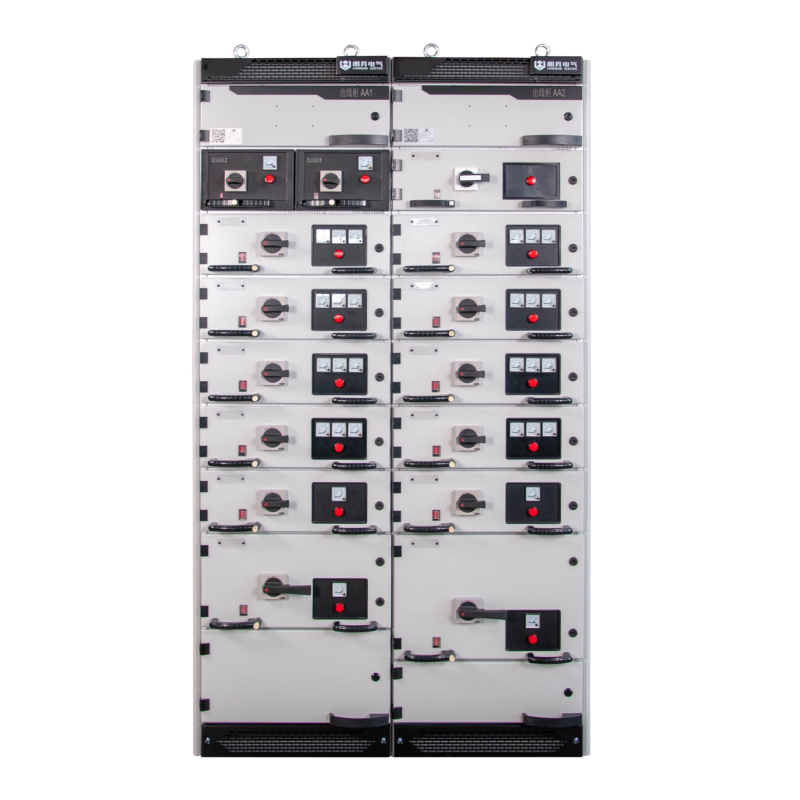
Transformers are basically the core component in substations, so engineers need to pay close attention when looking at things like their capacity ratings, voltage conversion ratios, and how they handle heat dissipation. When picking out the right transformer, this decision actually impacts what kind of foundation needs to be built and what fire safety precautions should be put in place, which ultimately affects how reliable the whole system will be. For circuit breakers, sizing them properly means they can cut off those maximum fault currents safely while still allowing quick identification and isolation of problems when they occur. Today's switchgear equipment comes with built-in protection relays and control mechanisms that coordinate to stop failures from spreading throughout the entire electrical network. Following established industry guidelines makes sure all these parts are appropriately dimensioned for both regular operation and unexpected surges, helping equipment last longer and keeping the power grid stable whether everything is running smoothly or there's some sort of malfunction happening somewhere.
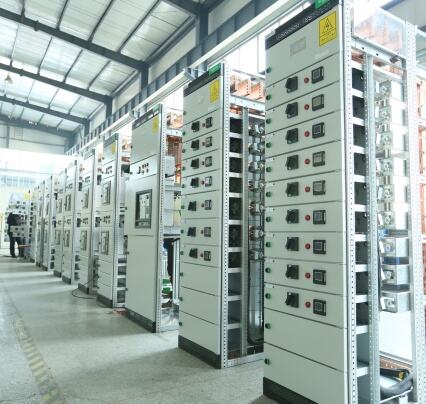
How substations are laid out has a big effect on their reliability when it comes to things like getting access to equipment, doing maintenance work efficiently, and meeting all the necessary safety requirements. When placing equipment, engineers need to follow those IEEE and IEC clearance guidelines not just because regulations say so but because real people actually need space to work safely and get inspections done properly. The rule of thumb is at least 1.5 meters free space around each piece of gear so workers can move around comfortably with their tools. But there's more to it than just physical space too safety margins should account for potential surges during switching operations as well. Looking at recent industry reports from 2024, we see that good spacing practices cut down on fault spreading risks by about one third compared to those crowded layouts where everything seems to be jammed together. There are several important factors worth keeping in mind when planning these layouts including...
Busbar configuration significantly affects system availability—double bus arrangements offer 99.98% availability versus 99.85% for single bus systems. Redundant configurations enable maintenance without service interruption and limit fault impact through sectionalization. Modern designs incorporate:
Physical and electrical isolation between primary power circuits and secondary control systems prevents electromagnetic interference and fault migration. IEC 61850-3 mandates minimum separation distances based on voltage class, with 400kV installations requiring 4-meter segregation between primary and secondary cable trays. Effective strategies include:
Effective overvoltage protection relies on insulation coordination—matching equipment insulation strength to expected voltage stresses. Transient surges from lightning or switching operations can reach 6–8 times normal operating voltage, necessitating robust protective measures. Surge arresters and other protective devices must operate before insulation breakdown occurs, preserving substation integrity during disturbances.
When talking about dielectric coordination, we're basically looking at how to pick the right insulation levels along with proper air clearances so nothing arcs over or gets damaged. Industry standards like IEC 60071 give some pretty good guidance here, especially regarding what they call Basic Impulse Level or BIL, plus recommended spacing between components depending on factors like voltage ratings and where the equipment actually sits. Getting this coordination right means making sure those air gaps between parts and the actual solid insulation materials can handle not just everyday voltages but also those occasional spikes that happen from time to time. Without proper setup, one small failure could lead to bigger problems down the line, which nobody wants to deal with when things are already running hot.
Most lightning protection setups rely on tall masts along with those overhead ground wires we call OHGW to form protective zones around important electrical gear. Engineers typically apply what's known as the rolled sphere method when placing these components strategically so they can catch direct hits before lightning reaches sensitive equipment like transformers or switchgear panels. Proper grounding is essential too - usually spaced somewhere between 200 to maybe 300 meters apart depending on site conditions. This setup channels the massive surge energy safely down into the ground instead of letting it damage infrastructure. Systems built according to IEEE guidelines generally offer pretty impressive protection levels, cutting the chance of direct strikes by roughly 95% or better in most cases according to field experience.
Good grounding systems are really important for keeping substations running reliably. They basically give fault currents somewhere safe to go by creating a path through the earth with low impedance. Most engineers aim to keep ground resistance under 5 ohms because this helps spread out the current properly and reduces those risky voltage differences across the site. The main components usually involve copper conductors that can handle whatever fault current might come through, along with interconnected grids that make sure everything stays at similar electrical potentials. Don't forget about bonding all metal parts together either. When done right, these systems protect expensive equipment when things go wrong and help circuit breakers and other safety gear work as intended during emergencies.
Good grounding practices protect workers when doing maintenance or dealing with electrical faults. Before any work starts on equipment that's been turned off, temporary protective grounds need to go in place first. This creates what's called an equipotential area, basically making sure no one gets shocked if something accidentally becomes live again. When there are faults in the system, proper grounding keeps those dangerous voltages low enough that people don't even notice them touching the ground or stepping across different points. According to the National Electrical Code, there are all sorts of rules about how equipment needs to be bonded together, checking ground resistance regularly, and making sure everything stays inspected over time so workers stay safe from harm.
The reliability of substations really hinges on those advanced protection systems that can spot and cut off faults in just a few milliseconds. Today's switchgear brings together digital relays along with various sensors to catch problems such as overcurrent situations or ground faults when they happen. The whole thing works through three main steps generally speaking first comes the relay detecting something wrong, then the circuit breaker jumps in to interrupt whatever is going on, followed finally by isolating the affected area through specific devices. What makes all this work so well is selective coordination which basically means only the closest device near where the problem occurs actually responds, keeping electricity flowing elsewhere without interruption. This approach cuts down both downtime and potential damage to equipment. For engineers working on these systems, getting the right specs for relays and breakers matters a lot they need to align everything properly with what the system demands in terms of voltage levels, current handling capabilities, and how much short circuit capacity exists in the network for things to run smoothly.
Good circuit breakers need to stop those big fault currents without letting anything go wrong. When things get really hot under the hood, these devices deal with serious electromagnetic forces plus major thermal stress that can wear them out fast. The newer models often use vacuum technology or SF6 gas because they work better at putting out electrical arcs and restoring insulation quickly after a fault. For most medium voltage systems, we're looking at interrupting capacities between 40 and 63 kiloamperes, with clearing times usually taking around 3 to 5 cycles to complete. Manufacturers also build in special classifications for internal arcs along with pressure relief features that keep dangerous flashovers contained and stop equipment from blowing apart completely. Getting the right rating on breakers is essential too since this helps keep power systems stable while protecting all the gear connected downstream from damage.
Getting the right size components matters a lot when dealing with those big spikes in power demand and unexpected faults. When designing systems, engineers need to figure out what the highest possible load will be, check those short circuit numbers, and calculate potential fault currents before picking out switchgear and protective gear that can handle it all. The coordination between overcurrent relays works best when looking at those time current curves (TCCs), helping prevent unnecessary trips while still getting rid of problems fast enough to keep things running smoothly. Don't forget about future needs either. Components need room to grow with increased demand, plus they have to work properly even if installed somewhere hot or at high elevation where performance naturally drops off. Proper sizing isn't just about meeting specs on paper. It makes systems more robust against failures, cuts down on expensive repairs later on, and generally means equipment lasts longer than it otherwise would.
GIS (Gas Insulated Switchgear) takes up less space and is preferred in urban areas, while AIS (Air Insulated Switchgear) is more economical and easier to maintain but requires more space.
Grounding protects equipment and personnel by safely dissipating fault currents and maintaining system stability during short circuit events.
Engineers consider capacity ratings, voltage conversion ratios, and heat dissipation to ensure transformers align with system reliability requirements.
Lightning protection relies on masts and overhead ground wires to direct strike energy safely into the ground, protecting sensitive equipment from damage.
 Hot News
2025-02-27
2025-02-27
2025-02-27
2024-12-12
2024-09-26
2024-09-05

Langsung Electric is a global leader in manufacturing electrical equipment with over 20 years of experience. We deliver innovative, Schneider-certified solutions tailored to diverse industries across Africa, Europe, and the Americas.
Copyright © 2025 by Harbin Langsung Electric Company Limited Privacy Policy

 EN
EN