EN
EN



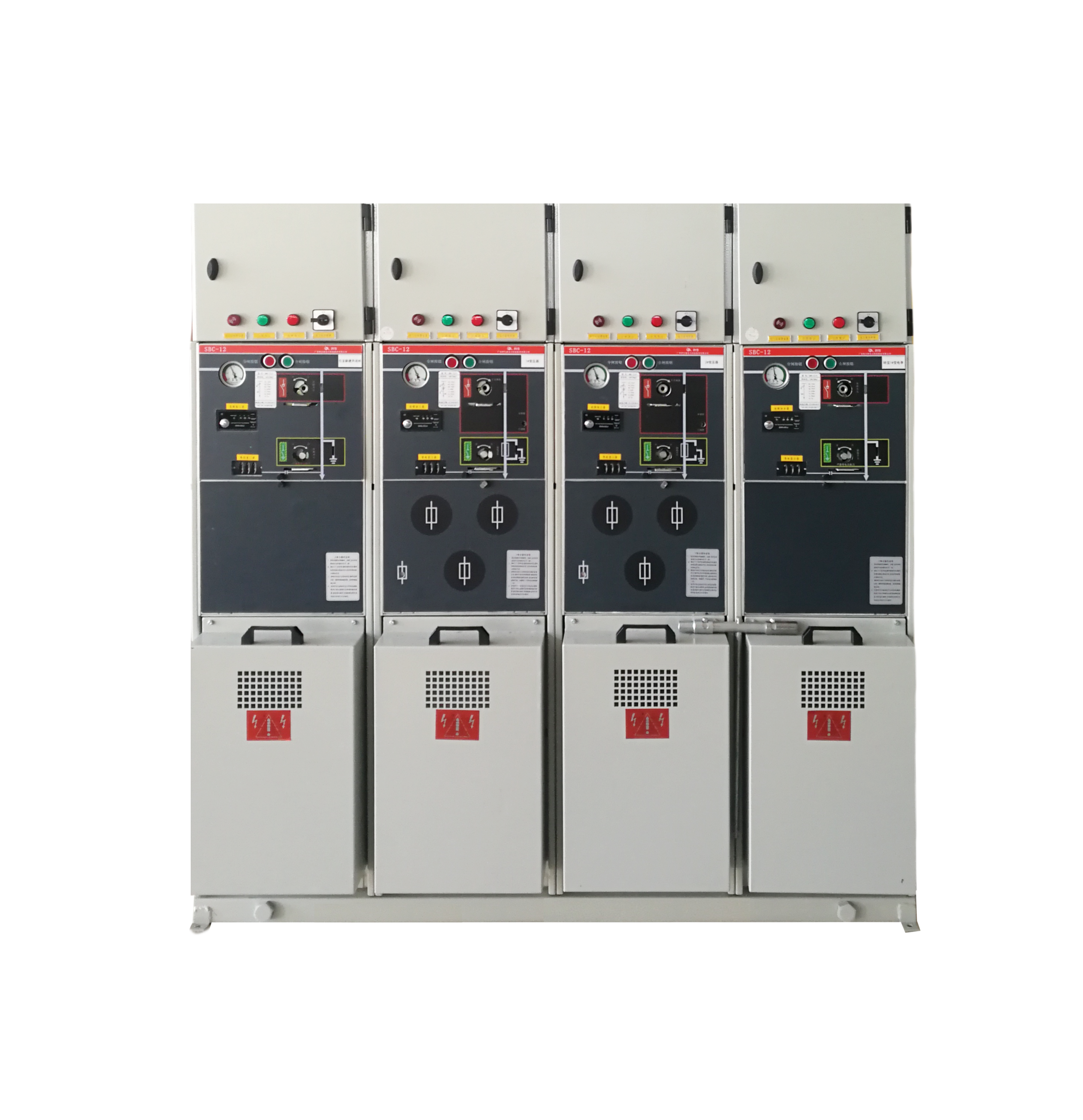
Understanding Switchgear Electrical: The Foundation of Reliable Power Control
Modern electrical systems rely on switchgear to manage and protect power distribution networks. This critical infrastructure ensures operational safety, minimizes downtime, and maintains consistent energy flow across residential, commercial, and industrial applications.
What Is Switchgear and Why It Matters in Power Systems
Switchgear basically consists of multiple components working together to protect circuits and control electrical flow. These devices are crucial because they cut off power when something goes wrong, stopping dangerous situations such as short circuits or overloaded systems that might otherwise cause fires or destroy expensive equipment. What makes switchgear so important is how it manages varying loads across the electrical grid without causing instability. This capability explains why places like hospitals need reliable switchgear systems running behind the scenes. Imagine what would happen if emergency lighting failed during surgery! Similarly, manufacturing plants and data centers depend on these systems to keep operations going smoothly even when unexpected power issues arise.
Core Components of Electrical Switchgear: Circuit Breakers, Relays, Busbars, and More
Four primary elements work together to ensure reliable protection:
- Circuit breakers interrupt current flow during overloads
- Protective relays detect anomalies such as ground faults or voltage spikes
- Busbars distribute power efficiently with minimal resistance
- Insulation systems (air, gas, or vacuum) prevent arc flashes
This integrated design reduces outage risks by 68% compared to non-integrated setups in industrial environments.
Types of Switchgear by Voltage Level: Low, Medium, and High Voltage Applications
| Voltage Class | Typical Use Cases | Key Advantage |
|---|---|---|
| Low (<1kV) | Offices, retail spaces | Compact design, easy maintenance |
| Medium (1–33kV) | Manufacturing plants | Handles motor starting surges |
| High (>33kV) | Power transmission grids | Manages multi-megawatt loads |
Medium-voltage switchgear accounts for 47% of global installations due to its optimal balance of capacity and safety (McKinsey 2023).
Fault Detection and System Protection: How Switchgear Ensures Electrical Safety
Switchgear today serves as the primary protection system against electrical problems, catching things like overloads, short circuits, and ground faults almost instantly. If something goes wrong in the system, these protective relays send signals to the circuit breakers so they can cut off power to whatever part is causing trouble. This stops potential damage from spreading to important components such as transformers, motors, and other equipment connected downstream. The speed at which modern switchgear works makes a real difference safety-wise. According to research published in 2023 by Ponemon Institute, factories that have this kind of protection see about an 86 percent drop in fire incidents when compared with places where there's no such safeguard in place.
Switchgear uses various interruption technologies based on voltage and environment. Air-insulated systems are common in low-voltage applications for their cost efficiency, while vacuum and sulfur hexafluoride (SF6) gas technologies offer faster arc suppression—up to 10x quicker than legacy oil-based systems—reducing energy loss and component wear.
In mission-critical settings like hospitals and data centers, advanced switchgear delivers layered protection through:
- Continuous thermal monitoring to identify overheating components
- Adaptive load balancing that redistributes current during voltage sags
- Hierarchical fault coordination, ensuring only the nearest breaker trips during localized issues
These capabilities support 99.995% uptime, even under grid instability, protecting sensitive electronics from damaging surges.
Real-World Applications of Switchgear Across Key Industries
Industrial Plants and Commercial Buildings: Ensuring Stable Power Distribution
Switchgear is essential for managing power in factories, warehouses, and large office complexes. By isolating faults and balancing loads, it prevents disruptions to heavy machinery and HVAC systems. In automotive manufacturing, for example, switchgear maintains stable voltage for robotic assembly lines and protects against overloads that could halt production.
Healthcare Facilities and Data Centers: Mission-Critical Power Reliability
Hospitals and data centers depend on redundant switchgear configurations to eliminate downtime. Dual circuit breakers and intelligent relays enable seamless activation of backup generators during outages, safeguarding life-support systems and server operations. Facilities using IoT-integrated switchgear have reduced outage-related losses by 62% compared to traditional setups.
Transportation and Energy Networks: Supporting Large-Scale Infrastructure
From electric rail systems to renewable energy grids, switchgear enables safe, large-scale power transmission. Medium-voltage units regulate electricity flow between solar farms and substations, while arc-resistant designs protect maintenance crews in metro tunneling projects. These applications highlight how modern switchgear scales to meet the demands of complex, adaptive infrastructure.
Smart Switchgear Evolution: Digitalization, Monitoring, and IoT Integration
Digitalization and IoT connectivity are transforming switchgear into intelligent power management systems. Modern installations leverage real-time data to improve reliability, efficiency, and predictive capability.
Real-Time Monitoring and Sensor-Driven Electrical Management
Embedded sensors provide detailed insights into load levels, voltage stability, and equipment health. Temperature and humidity sensors detect insulation degradation 30% faster than manual inspections (Energy Systems Journal 2023), allowing early intervention for issues like phase imbalances or contact wear.
Continuous Thermal Monitoring for Predictive Maintenance
Thermal imaging and fiber-optic sensors track heat patterns in busbars and breakers. Analyzing these trends helps identify hotspots caused by loose connections or overloads, reducing unplanned downtime by up to 45% in industrial operations.
Digital Switchgear and Smart Grid Compatibility
Digitally enhanced circuit breakers communicate with grid management platforms, enabling automatic load shedding during peak demand. This interoperability supports renewable integration by balancing variable inputs from solar and wind with battery storage systems.
Energy Analytics and Intelligent Panelboards Enhancing Efficiency
Machine learning analyzes consumption patterns to recommend optimization strategies. Facilities using intelligent panelboards report 12–18% reductions in energy waste, according to a 2024 smart grid efficiency study.
Optimizing Switchgear Performance: Selection and Maintenance Best Practices
Preventive Maintenance Strategies to Maximize Uptime and Longevity
Preventive maintenance programs cut down on unexpected equipment failures by around 73%, according to recent studies from IEEE in 2023. The key things most facilities focus on are checking for hot spots using infrared cameras, keeping all moving components properly lubricated, and running tests on insulation materials. Plants that stick to twice yearly maintenance schedules tend to get about 21% more lifespan out of their medium voltage switchgear than those that don't. Cleaning those metal bars where electricity flows through regularly helps avoid problems with conductivity, and making sure there's no damp inside electrical cabinets stops rust from forming over time. These basic steps make a real difference in how long equipment lasts and how reliably it operates day after day.
Remote Monitoring and Advanced Testing for Reliable Operations
IoT-enabled sensors allow continuous monitoring of load current, contact wear, and gas pressure in SF6-insulated units. AI-powered thermal analysis identifies abnormal temperature trends weeks before failure. Partial discharge testing and power factor analysis assess insulation integrity, with automated alerts initiating maintenance when thresholds are exceeded.
Key Selection Criteria: Voltage, Environment, Space, and Safety Needs
| Factor | Low Voltage (≤1kV) | Medium Voltage (1kV–35kV) | High Voltage (≥35kV) |
|---|---|---|---|
| Typical Environment | Indoor commercial spaces | Industrial plants | Utility substations |
| Space Requirements | Compact designs | Modular expandability | Dedicated switchyards |
| Safety Features | Arc-resistant coatings | Gas-insulated compartments | Remote-operated breakers |
Always prioritize third-party certifications such as IEC 61439 for construction standards and ANSI C37 for performance benchmarks to ensure compliance and long-term reliability.
Frequently Asked Questions (FAQ)
What is switchgear electrical?
Switchgear electrical refers to a system of devices that manage, protect, and control the flow of electrical power within a network. It ensures safety, minimizes downtime, and maintains consistent power distribution across various settings.
Why is switchgear important in power systems?
Switchgear is crucial in power systems because it prevents dangerous electrical situations like short circuits and overloads. It maintains grid stability and allows critical infrastructure like hospitals to operate smoothly without power interruptions.
What are the main components of switchgear?
The main components of switchgear include circuit breakers, protective relays, busbars, and insulation systems. These elements work together to ensure electrical safety and efficient power distribution.
How does modern switchgear contribute to electrical safety?
Modern switchgear enhances safety by quickly detecting and isolating faults like overloads and short circuits. It uses advanced technologies, such as vacuum and gas insulation, to suppress arcs and prevent damage to connected equipment and infrastructure.
What role does IoT play in smart switchgear systems?
IoT plays a significant role by enabling real-time monitoring and data-driven electrical management. Sensors track various parameters, allowing predictive maintenance and efficient load balancing, which improves overall system reliability and efficiency.
Table of Contents
- Understanding Switchgear Electrical: The Foundation of Reliable Power Control
- Fault Detection and System Protection: How Switchgear Ensures Electrical Safety
- Real-World Applications of Switchgear Across Key Industries
- Smart Switchgear Evolution: Digitalization, Monitoring, and IoT Integration
- Optimizing Switchgear Performance: Selection and Maintenance Best Practices
- Frequently Asked Questions (FAQ)